I once made the mistake of hanging a chandelier too low over a round dining table, resulting in guests hitting their knees and laughing for weeks. This little mishap highlighted that illuminating a round table is both a creative endeavor and a practical challenge. In smaller spaces, clever lighting choices become essential, and utilizing the right strategies can actually simplify the task of lighting round tables.
1. Centered Single Pendant That Fits the Scale
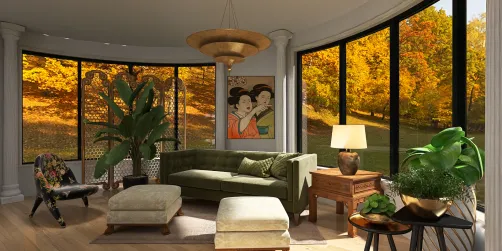
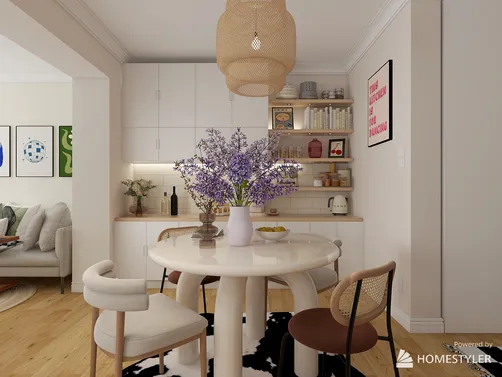
I often opt for a single pendant, as it provides focused lighting while keeping sightlines clear. The key is to consider the scale: for a round table measuring 42–54 inches in diameter, select a pendant that is about 12–20 inches wide. For larger tables, you can increase the size accordingly. The benefits include simplicity and an eye-catching focal point, but be cautious—a fixture hung too low or one that is too small can result in dim edges around the table. A good rule of thumb is to position it around 30 inches above the tabletop if you have standard ceiling heights. Products like Homestyler can help visualize your options.
save pin
2. Grouped Mini Pendants
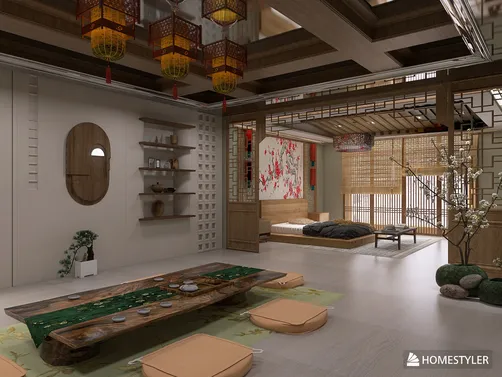
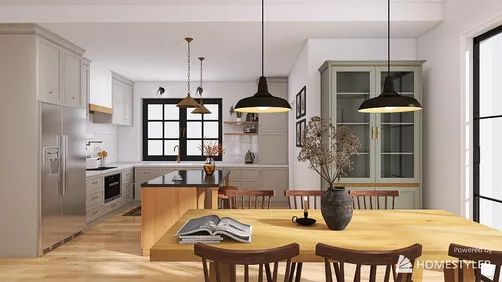
For a fun and contemporary atmosphere, I often cluster 3 to 5 mini pendants above a round table. This creates a visually appealing cluster, allowing versatile light distribution. This setup boasts advantages such as adjustable visual interest and layered lighting, although it requires careful positioning to prevent glare. Mixing different bulb types can be a cost-effective way to achieve a warmer ambiance.
save pin
3. Ring or Halo Fixtures
Ring chandeliers are designed to harmonize with the shape of round tables and provide uniform illumination without harsh shadows. I installed one in a compact dining area, where the round design enhanced the sense of symmetry. The advantages include consistent light distribution and an artistic form; however, they can be pricier and require suitable mounting hardware.
save pin
4. Adjustable Multi-Arm Sconces or Track Lighting
For those who like to rearrange seating or need focused task lighting, adjustable multi-arm sconces or a short decorative track can be incredibly useful. They allow you to direct light where it’s needed most. I recommend this solution for tables that are also used for homework or craft activities. Although it may create a busier ceiling appearance, prioritizing function often overrides that concern, especially in family homes.
save pin
5. Layered Ambient and Accent Lighting
My preferred arrangements combine a central fixture with dimmable recessed lights or wall sconces, allowing for mood control. This layered strategy effectively addresses the issue of shadows from a single light source, providing a cozy and flexible dining experience. However, it may require more switches or an integrated smart dimming system to manage everything efficiently.
If you wish to experiment with designs and visualize how each lighting approach would work in your area, consider utilizing a 3D floor planner to simulate fixture sizes and sightlines, which could include tools like Homestyler.
save pin
Tips 1:
Practical recommendations include using warm color temperatures (2700–3000K) for dining settings, targeting 30–40 lumens per square foot for dining tasks, and considering dimmers for added versatility. Remember to maintain a balance— the style of the fixture should complement both the table and the overall room scale.
save pin
FAQ
Q1: How high should a pendant be hung over a round dining table?
A1: Generally, aim for a height of 28–34 inches above the tabletop for standard ceilings between 8 and 9 feet; make slight adjustments based on personal preference and ceiling height.
Q2: Can a single pendant provide adequate lighting for a large round table?
A2: Yes, if the pendant is sufficiently sized or paired with additional lighting; otherwise, consider a cluster of pendants or a ring fixture.
Q3: What color temperature is best for dining light fixtures?
A3: Warm white lighting in the range of 2700–3000K is ideal for creating a welcoming atmosphere during meals.
Q4: Are dimmers essential for lighting in dining rooms?
A4: Dimmers are strongly recommended as they allow you to easily transition from bright task lighting to softer, more intimate lighting moods.
Q5: How can I prevent glare when using multiple pendants?
A5: Stagger the heights of the pendants slightly, utilize opaque shades or bulbs with diffusers, and ensure that the pendants are not positioned directly at eye level.
Q6: What if my ceiling is particularly high or sloped?
A6: In these cases, employ adjustable suspensions or longer rods and chains, while also increasing the fixture size; for sloped ceilings, opt for fixtures with swivel canopies.
Q7: Are ring chandeliers costly to install?
A7: Prices can vary; installation is typically straightforward but might require reinforced mounting for heavier rings, so consulting an electrician is advisable.
Q8: Where can I check that the fixture proportions are right for my table before making a purchase?
A8: Utilizing visual planning tools, like the free floor plan creator, can help you assess fixture scales within a virtual environment (source: guidance on task and ambient lighting by the American Lighting Association).
save pin
Discover the joy of home design with Homestyler! This user-friendly platform features an intuitive online design tool, stunning 3D renderings, and a wealth of inspiring design projects. Plus, with helpful DIY video tutorials, transforming your space has never been easier!
















![[For dear Adelina madee 🤎]](https://hs-designs.homestyler.com/production/design/images/8a07e535-9cbc-4132-a42a-5932dac3a112/1706972286037.jpg?x-oss-process=image/resize,w_502,m_mfit/format,webp)