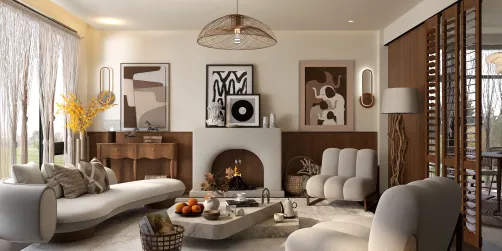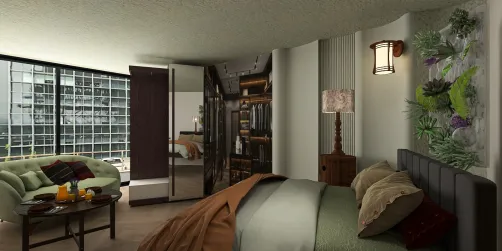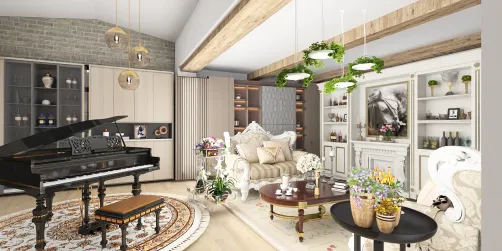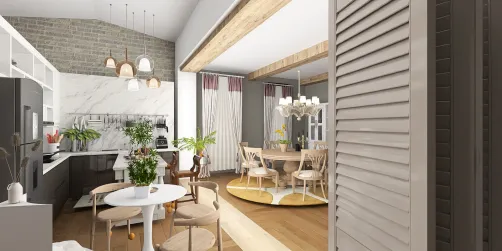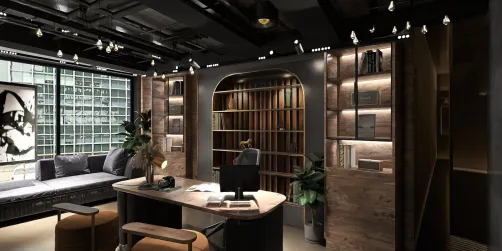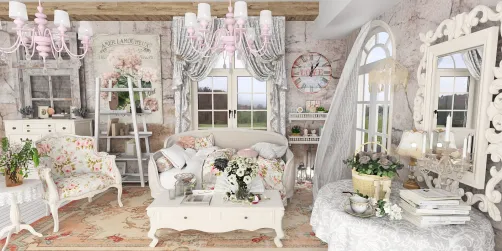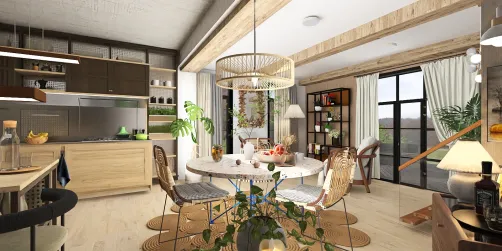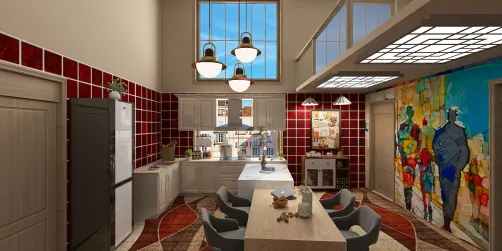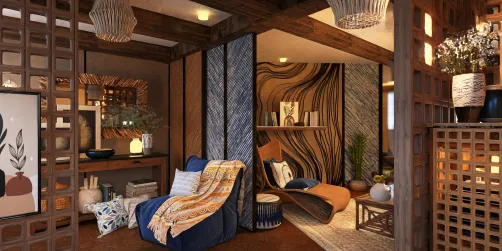
I made a promise to a couple about fitting a cozy sectional into their small 12x14 living room. However, during the installation, I mistakenly ordered a couch that nearly obstructed the window. We shared a laugh, adapted the layout, and ultimately, this experience highlighted how small spaces can unleash significant creativity. To prevent such mishaps, measuring and mapping your area beforehand can save you from awkward returns and prevent embarrassment down the line.
Inspiration 1: Opt for a low-profile sectional
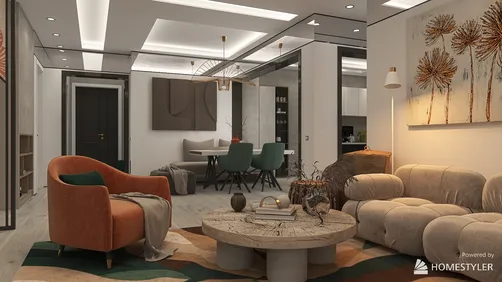
While I enjoy a plush, deep sectional, in a compact living room, a low-back design with slim arms creates a more open visual feel while providing the necessary seating. This choice keeps sightlines clear and gives the impression of higher ceilings. Just remember, this style may compromise some lumbar support, so it's wise to test cushions prior to purchasing.
save pin
Inspiration 2: Position the sectional on a rug rather than against walls
By placing a sectional a few inches away from the wall and adding a narrow console behind, you can create an open flow and a sense of depth in the room. In a studio I worked on, this arrangement transformed the area into two distinct zones — lounge and entry — without the need for partitions. However, it's crucial to secure electrical wiring and prevent small rugs from slipping, so consider utilizing non-slip pads and planning for outlets in advance.
save pin
Inspiration 3: Integrate multifunctional side tables
When your sectional occupies most of the space, side tables that offer extra storage or can serve as trays or stools become incredibly useful. I typically suggest using a slim storage ottoman that can function as both a coffee table and extra seating for visitors. If you prefer to visualize furniture arrangements in 3D before making a purchase, utilizing a design tool like Homestyler can help save time and avoid scaling errors.
save pin
Inspiration 4: Welcome asymmetry with modular units
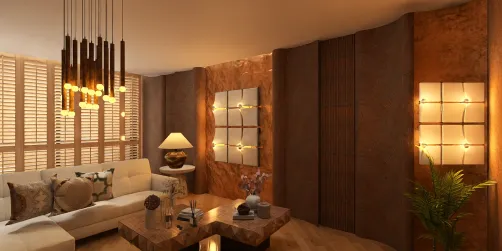
Modular sectionals allow you to create a spacious feel from smaller components — L-shapes, interchangeable chaises, and reconfigurable pieces. I once designed a four-piece arrangement that fit snugly in a challenging corner and could transform into two sofas for entertaining. The only downside is managing seam lines and coordinating fabrics, but the versatility is unbeatable in tight spaces.
save pin
Inspiration 5: Establish the layout with strategic lighting and angles
Positioning a sectional slightly angled toward a focal point, whether it's a TV, window, or fireplace, conveys intention and helps avoid the feeling of being cramped. Pairing this with layered lighting — featuring a floor lamp, wall sconce, and a dimmable overhead fixture — can enhance the space, making it both larger and cozier. If you're looking for smart AI recommendations on furniture placement, tools like Homestyler can help quickly test different layouts and streamline your decisions.
save pin
FAQ
Q1: Can a large sectional fit in a small living room?
Absolutely, I have successfully made it work several times. Choosing low-profile designs, measuring circulation paths, and considering modular sections allow the sofa to adapt to the space rather than overpower it.
Q2: What clearance is necessary around a sectional?
Aim for a space of at least 30-36 inches for main walkways and 18-24 inches between a coffee table and seating to enable comfortable movement. Even slight adjustments of 2-4 inches can significantly impact visual flow.
Q3: What rug size should accompany a sectional?
Ideally, the front legs of the sectional should rest on the rug to create a cohesive aesthetic. If your room is particularly narrow, utilizing a long runner-style rug under the front legs can maintain a unified look without overwhelming the space.
Q4: Are modular sectionals worth the price?
Definitely, especially if you prioritize flexibility. While they may be slightly more expensive per linear foot, they offer adaptability for reconfiguration, ease during moves, and the option to replace just one section instead of the entire sofa.
Q5: How do I select colors for a large sectional in a compact room?
Stick to light, neutral shades to create an airy atmosphere, and introduce contrast with cushions and framed art. While patterned fabrics can hide wear, overly busy designs might visually constrict the space.
Q6: Is it possible to make a sectional appear smaller?
Yes! Sectionals with legs that elevate them create negative space underneath, and a low back helps maintain clear sightlines, making the sofa feel less imposing.
Q7: What’s the best method for testing furniture scale before purchasing?
Mark the sectional's footprint on the floor with tape, then walk and sit within that area. This straightforward approach helps avoid costly errors. For detailed guidance on spacing and circulation, refer to the standards set by the American Society of Interior Designers (ASID): https://www.asid.org.
Q8: Any budget-friendly suggestions for achieving a grand look without overspending?
Invest in modular items made of durable, neutral fabrics, and enhance your decor with affordable cushions and lighting options. Thrifting or reupholstering vintage pieces can also provide a unique yet cost-effective sectional upgrade.
save pin
Discover the ease of home design with Homestyler! This user-friendly online platform offers a powerful design tool, stunning 3D renderings, and a wealth of inspiring design projects and DIY video tutorials. Transform your living space effortlessly and unleash your creativity today!