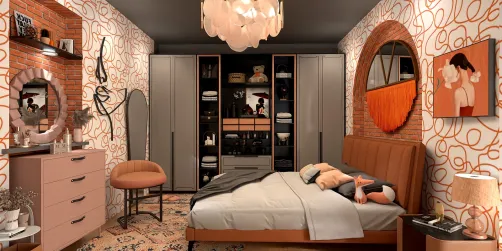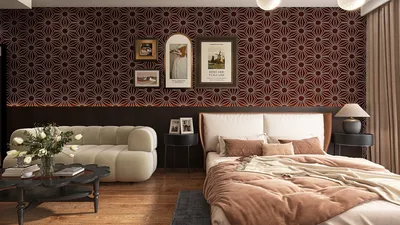
I once worked with a client who had a strong preference for their compact city bedroom to be "all red, all the time" – I found myself considering a complete repaint of the entire building! However, I rechanneled that request into a successful design project by treating it as a small bedroom case study: I focused on strategic accents, layered textures, and careful lighting. This experience taught me that confined spaces often ignite the most inventive ideas — using a bold color requires a thoughtful approach.
1. Opt for a soothing red foundation, not bright fire-engine red
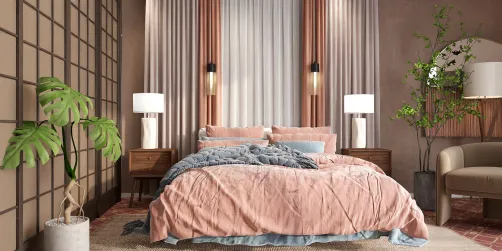
In my design process, I typically select a muted or earthy shade of red — options like terracotta, cranberry, or rust are preferred over vibrant scarlet. These hues appear warm and sophisticated in both photographs and real life, and they seamlessly coordinate with materials like wood, brass, or linen. One downside is that they might seem dull under certain cold lighting, so it's advisable to test paint samples at various times throughout the day.
save pin
2. Make red an accent, not an overpowering force
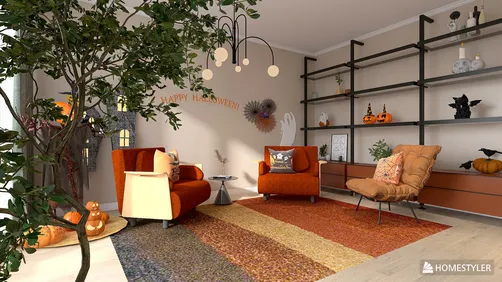
If you're feeling apprehensive, consider keeping your walls neutral and introducing red through accents like headboards, rugs, or bedding. Using accent pieces allows you to experiment with trends without making a major financial commitment, as they can be easily swapped out. However, you must exercise discretion — too many red items can compete for attention, so it's best to choose one focal piece and coordinate other items around it.
save pin
3. Layer different textures to soften the vibrancy
Incorporating velvet cushions, woven throws, and matte-painted furniture can help to temper the intensity of red, creating a cozy, welcoming atmosphere. I often advise clients to blend at least three different textures to prevent a flat look; it’s a simple trick that makes a bold color feel intentional rather than overwhelming. For more comprehensive planning, I might visualize my design or utilize 3D rendering inspirations, like Homestyler, to see how various materials interact before making final decisions.
save pin
4. Utilize light to influence the ambiance
Red appears dramatic under warm, dimmable lighting but can seem harsh under bright white bulbs. Therefore, investing in layered lighting solutions, including ambient, task, and accent lighting, is key. To amplify brightness, consider using mirrors and glossy surfaces, which can be beneficial in small areas, but may not suit those aiming for a more subdued retreat. Despite the initial costs, lighting improvements are among the quickest ways to shift a room's emotional atmosphere.
save pin
5. Smart arrangements and small-space strategies
In compact bedrooms, I often recommend pushing furniture around to create clear pathways, ensuring the red elements are thoughtfully placed: a striking headboard, a single feature wall, or a curated gallery display. Incorporating built-in storage or multifunctional pieces keeps the space visually uncluttered, allowing the red to be viewed as a design element rather than chaos. In my renovation plans, I frequently explore AI-driven layout ideas to streamline options while minimizing costly errors, with tools like Homestyler as great resources.
save pin
FAQ
Q: Is red a suitable color for a bedroom?
A: Certainly — red can create a cozy and intimate setting when you opt for subtler shades and balance them with neutral tones. Bright reds might energize the space, so consider softer variations for a more sleep-friendly atmosphere.
Q: How can I make a small red bedroom feel more spacious?
A: Utilize one red accent wall or select a few decorative elements rather than coating all surfaces in red. Adding mirrors, maintaining minimal clutter, and employing vertical storage will free up floor space and visually expand the room.
Q: Which colors work best with red in a bedroom?
A: Warm neutrals such as beige, cream, and taupe, along with deep greens and navy, harmonize beautifully with red. Adding metallics like brass introduces warmth, while matte black can lend a contemporary edge.
Q: Can I combine various shades of red?
A: Absolutely, though it should be done thoughtfully: stick to a shared undertone (whether warm or cool) and vary the lightness. Using too many competing reds might create a chaotic look instead of a curated feel.
Q: Will the color red impact sleep quality?
A: Colors indeed affect mood; bold shades may be invigorating for some. If sleep is a priority, lean towards muted reds accompanied by soft, warm lighting to foster relaxation.
Q: What is the best way to budget for refreshing a red-themed bedroom?
A: Focus on key items like paint and one focal component (like a headboard or rug), integrating smaller textile changes later on. Minor alterations such as cushions and lamps can rejuvenate the space affordably without necessitating significant renovations.
Q: Where can I get help with layout and visualization for red bedroom designs?
A: Many designers and online resources provide mood boards and 3D previews to help test colors and arrangements before finalizing your choices, reducing the risk of unexpected outcomes.
Q: Is there scientific proof about color and emotion?
A: Yes — studies from organizations like the American Psychological Association confirm that color perception can significantly influence mood and behavior, so it’s wise to choose colors reflecting your personal responses.
save pin
Experience the joy of home design with Homestyler! This user-friendly platform offers a cutting-edge online design tool, stunning 3D renderings, and a wealth of inspiring design projects and DIY video tutorials. Bring your vision to life effortlessly—perfect for creators of all levels!