Over the years, I’ve crafted numerous outdoor tables, and a well-sized round patio table continues to be my top choice for intimate gatherings and small terraces. The ideal diameter for seating four people typically lies between 42 to 48 inches, complemented by a stable center base, ensuring a comfortable arrangement where knees don’t clash with table legs. To enhance durability and comfort, I utilize moisture-resistant materials along with a finish that withstands UV exposure and everyday spills.
When it comes to sizing, it isn’t merely a question of aesthetics; it significantly influences comfort and space circulation. Research by Steelcase has shown that sufficient clearance and appropriate furniture dimensions lead to elevated satisfaction levels in shared environments. Furthermore, the WELL v2 standard advises ergonomic design practices and ensuring accessible reach, a benefit naturally provided by round tables which balance distance to the center. For outdoor dining lighting, the Illuminating Engineering Society recommends aiming for 10-20 foot-candles in casual eating areas—consider this when positioning your table under sconces or string lights to ensure faces are well-lit without harsh glare. To explore further insights on workplace and spatial comfort, visit Steelcase’s extensive research archive at steelcase.com/research.
Planning Your Build
Determine the diameter based on your seating arrangements: a size of 36–40 inches works for two to three individuals; for four, opt for 42–48 inches; and for six, go for 54–60 inches, ensuring enough space for chairs and pathways. Maintain 30 inches as the standard dining height, aligning with ergonomic guides and typical chair seat heights of 17–19 inches to preserve a comfortable elbow angle. In tighter patio spaces, a round tabletop enhances circulation and appears less bulky compared to rectangular options.
Material Selection
For the tabletop, I prefer exterior-grade woods like teak, ipe, or white oak, or marine-grade plywood topped with a hardwood veneer. If you are inclined towards a lighter aesthetic, thermally modified ash is stable and takes stains beautifully. For the base, powder-coated steel or aluminum provides a slim profile with robust sturdiness; alternatively, cedar or treated lumber is suitable for an all-wood construction. Opt for stainless steel or hot-dip galvanized fasteners to prevent corrosion. When it comes to finishes, consider using penetrating oils for hardwoods, spar varnishes, or marine polyurethane for enhanced sheen and UV protection, alongside powder coating for metal frames. Additionally, place felt or rubber pads under chair legs and sturdy rubber glides beneath the table base to safeguard your paver surfaces.
Cut List and Dimensions
Specifications for a 48-inch diameter round table at a height of 30 inches:
- Top: 48-inch diameter circle, 1-1.25 inches thick (either glued boards or a solid panel).
- Apron ring: Outside diameter of 40–42 inches, height of 2.5–3 inches, and thickness of 3/4–1 inch (optional for added stiffness).
- Base column: A 6x6 inch post with a length of 28 inches (wood) or a 5–6 inch diameter steel tube at 28 inches.
- Foot cross: Two members measuring 28–30 inches long and 3–4 inches wide, forming an ‘X’, or a four-leg splayed base at a 10–12 degree angle.
- Fasteners: Utilize 1/4–20 stainless machine bolts for detachable connections; and exterior screws sized 1.5–2 inches for the apron-to-top assembly.
Tools and Supplies
You will need a circular saw or track saw, jigsaw or bandsaw for cutting the circle, a router with a round-over bit, drill/driver, clamps, square, measuring tape, sander, exterior wood glue, epoxy (for any voids), finishes (oil or marine varnish), metal base hardware as necessary, and essential safety equipment (glasses, hearing protection, dust mask).
Step-by-Step Build
Begin by marking the center on your panel. Employ a trammel jig for the router or a homemade compass made from a pencil and screw to create your circle. Cut just outside the line using a jigsaw, then refine edges using a router equipped with a circle-cutting jig for a flawless finish. Round the top and bottom edges using a 1/8–1/4 inch round-over to lessen chipping and to create a more comfortable surface for forearms.
If gluing up boards, alternate the grain direction, utilize biscuits or dominos for alignment, and clamp uniformly. After the glue has cured, flatten the surface with a planer or router sled. Fill any knots or voids with tinted epoxy and sand progressively up to 150–180 grit for an optimal exterior finish.
For wood construction: form a sturdy X-foot using 3–4 inch wide members. Joint the intersection using a half-lap joint for added strength and a flush fit. Incorporate a 6x6 post as your center column, mortised into the foot and secured with lag bolts or through-bolts. Should you choose metal: weld or bolt a plate atop a powder-coated tube for threaded inserts beneath the top. Aim for a base footprint that is approximately 60-70% of the top diameter to ensure stability.
Cut concentric rings from plywood or hardwood to create a circular apron positioned 2–3 inches in from the edge. This not only keeps the top flat but also serves as an attachment point. Use pocket screws or dowels to keep fasteners hidden at the edges.
Keep in mind that wood is susceptible to expansion and contraction due to humidity. Employ figure-eight fasteners or slotted holes to accommodate this movement. Center the base, mark hole positions, pre-drill, and fasten securely. Verify that the table is level on your patio surface, adding adjustable glides if the pavers vary in height.
Gently break all edges to prevent splinters. Retain the round-over feeling for tactile comfort—small ergonomic considerations are vital for lengthy outdoor meals.
Apply a UV-resistant finish. Penetrating oils, such as teak oil or tung oil blends, offer a low sheen that's easy to refresh annually. Marine spar varnish delivers a tougher coating; apply 3–4 coats with light sanding in between. For metal tables, ensure that the powder coat or exterior enamel is intact; prime any scratches with rust-inhibiting primer.
Allow finishes to cure according to the manufacturer's guidance—typically 24–48 hours for oils and up to a week for high-build varnishes. Once installed, check clearances: ideally maintain 24–30 inches from the back of the chair to any wall or railing for smooth movement and accessibility.
Comfort, Lighting, and Acoustics
Round tables foster eye contact and offer balanced seating. For evening use, strive for warm lighting in the range of 2700–3000K with diffused sources to minimize harsh reflections on shiny surfaces. According to IES dining guidance, aiming for around 10–20 foot-candles ensures visibility without diminishing the ambiance. To reduce sound reflections in echo-prone patios, introduce softer elements—consider outdoor rugs, potted plants with foliage, or textured privacy screens.
Color and Finish Psychology
Natural woods in warm shades evoke a welcoming and calming atmosphere, while deeper charcoal bases impart stability and grounding. A lighter tabletop compared to the base enhances visual appeal and facilitates maintenance efforts.
Layout and Placement
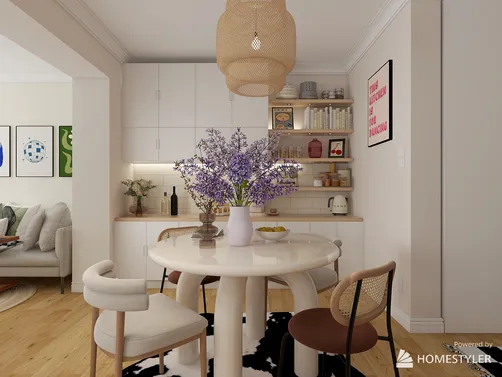
Position the table in a manner that avoids traffic interference with chairs—ideally near a grill or kitchen entrance, but not obstructively. If you're experimenting with arrangements before finalizing your setup, utilizing a design simulation tool can aid in visualizing clearances and seating flows: such tools offer an accessible outdoor layout experience and can help you incorporate features like Homestyler.
Sustainability Notes
Whenever feasible, opt for FSC-certified hardwoods. Employ low-VOC finishes and aim to streamline your errands to minimize transport emissions. A repairable, bolt-together base can extend the lifespan of your furniture—you can easily refinish the top in just a weekend, ensuring your table remains in use for years to come.
Maintenance
Promptly clean up spills, avoid allowing water to stand, and refresh oil finishes on an annual basis. Regularly check fasteners for tightness during seasonal inspections. If using a cover, choose one that allows for adequate breathability to prevent moisture build-up.
FAQ
Q1: What diameter should I select for a small patio?
A: A diameter of 36–40 inches works effectively for seating two to three people. For four seats, a dimension of 42–48 inches balances reach and spacing without overwhelming smaller patios.
Q2: Is a pedestal base a better option than four legs?
A: A pedestal design eliminates knee conflicts and facilitates centered seating around the table. Ensure that the base’s footprint is 60–70% of the tabletop diameter to prevent tipping.
Q3: Which finish is most enduring outdoors?
A: Marine spar varnish or high-quality exterior polyurethane offer exceptional durability for outdoor applications. In contrast, penetrating oils are easier to maintain but require more frequent application.
Q4: What height should the table be?
A: The standard dining height is circa 30 inches, matching well with seat heights of 17–19 inches for a comfortable elbow angle and reach during meals.
Q5: Which wood types are best suited to endure weather conditions?
A: Teak, ipe, white oak, and thermally modified ash are excellent choices. Be sure to carefully seal end grains and use stainless steel fasteners to safeguard against staining.
Q6: How can I avoid warping?
A: Employ balanced construction techniques using apron rings or battens, seal all exposed surfaces and especially end grains, and incorporate slotted fasteners to accommodate wood movement.
Q7: What type of lighting is ideal for evening dining?
A: Warm lighting in the 2700–3000K range providing 10–20 foot-candles will ensure comfortable visibility. Utilizing diffused sources, such as lanterns or shaded string lights, will minimize glare on glossy finishes.
Q8: Is it possible to construct the top from plywood?
A: Marine-grade plywood with a hardwood veneer can be a viable option if edges are properly sealed and the surface is well-finished with marine coatings for durability.
Q9: How much clearance do I need around the table?
A: Allow for 24–30 inches from the backs of chairs to walls or railings to facilitate comfortable movement and accessibility during meals.
Q10: Which fasteners should I select?
A: For outdoor projects, stainless steel or hot-dip galvanized screws and bolts are recommended. Additionally, utilizing figure-eight fasteners or slotted brackets will allow for wood movement without issues.
Q11: How can I maintain stability on uneven pavers?
A: Consider installing adjustable glides or leveling feet on the table's base and ensure everything is level in various directions after placement.
Q12: Do you have any suggestions for color selections?
A: Warm wooden tops paired with a darker base create an inviting and grounded feel. Cooler tones like deep green or navy can temper bright sunlight and work harmoniously with surrounding foliage.
Homestyler is your go-to online platform for home design! With its user-friendly design tool, stunning 3D renderings, and a wealth of inspiring design projects and DIY video tutorials, you can effortlessly create and visualize your dream space—ideal for both novices and seasoned designers alike!