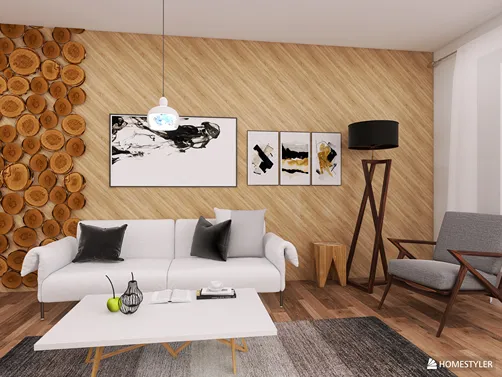
Embarking on a home remodeling venture can be both exhilarating and demanding. This endeavor requires a sharp design instinct, a comprehensive grasp of construction practices, and proficient project management capabilities. In this article, we will discuss key strategies to support you in navigating the remodeling sector while creating breathtaking transformations for your clientele with the help of Homestyler.
Grasping the Market Dynamics
Prior to launching your remodeling business, it is essential to analyze your local market thoroughly. Familiarize yourself with the current trends, consumer preferences, and the competitive environment. Discover which services are in high demand, such as kitchen makeovers, bathroom renovations, or entire home remodels. This knowledge will inform your business approach and service selections.
Creating an Impressive Portfolio
Your portfolio serves as your identity in the remodeling field. Begin by taking on smaller projects or volunteering your skills to friends and family, allowing you to showcase your work. Capture high-resolution images of your projects that highlight your design expertise and craftsmanship. A compelling portfolio will draw potential clients and illustrate your talents, especially when using tools like Homestyler for visual representation.
Engaging in Networking and Promotion
Networking is vital in the remodeling sector. Participate in industry gatherings, join local business associations, and build connections with real estate professionals, architects, and interior designers. Moreover, create a robust online presence through a well-designed website and active social media accounts. Share captivating before-and-after images, positive client feedback, and insightful design advice to interact with your audience effectively.
Establishing Your Pricing Framework
Defining an appropriate pricing strategy is key to ensuring the profitability of your business. Investigate the rates charged by your competitors and account for your expenses, which include materials, labor, and overhead costs. Provide a clear pricing structure for your services, whether based on hourly fees, fixed project rates, or a blend of both. Maintain transparency regarding costs to foster trust with clients.
Common Questions
A: You will require a comprehensive business plan, an understanding of design and construction, the necessary licenses, and a dependable network of suppliers and contractors.
A: Leverage social media channels, develop a professional website, network with fellow professionals, and encourage referrals from delighted clients to promote your services effectively.












![[For dear Adelina madee 🤎]](https://hs-designs.homestyler.com/production/design/images/8a07e535-9cbc-4132-a42a-5932dac3a112/1706972286037.jpg?x-oss-process=image/resize,w_502,m_mfit/format,webp)