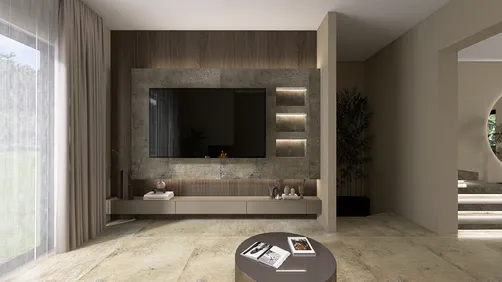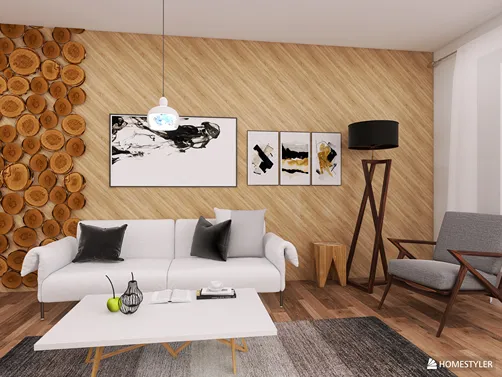
In recent years, the demand for freelance 3D rendering has surged, enabling designers and artists to display their expertise across a range of projects. If you're eager to enter this field, grasping key practices, tools, and effective strategies is vital for your success.
Grasping the Essentials of 3D Rendering
Before you embark on your freelance career, it's crucial to understand the basics of 3D rendering. This encompasses different rendering methods such as ray tracing and rasterization, as well as the use of various software like Blender, 3ds Max, and SketchUp. Mastering these essential skills can differentiate you from others in the industry.
Creating a Compelling Portfolio
A well-crafted portfolio is essential for freelancers. Highlight your top 3D rendering works which display a diverse range of styles and techniques. Ensure each project showcases your distinctive style and abilities. Additionally, consider developing case studies to outline your methodology, obstacles encountered, and solutions implemented.
Cultivating Connections and Attracting Clients
Networking plays an integral role in securing freelance opportunities. Engage with online platforms such as Upwork, Fiverr, and Behance to present your work and connect with potential customers. Participate in industry events and social media networks to broaden your reach and elevate your profile.
Determining Your Pricing Structure
Establishing competitive rates is a cornerstone of freelance work. Conduct research to understand the pricing landscape for similar freelancers. Factor in your experience, the complexity of projects, and the time commitments involved. Be open with clients regarding your pricing model to maintain trust.
Providing Outstanding Quality
Strive to consistently deliver high-quality work that meets or surpasses client expectations. Maintain regular communication throughout projects, solicit feedback, and be receptive to revisions. This approach will help cultivate a solid reputation and encourage clients to return for future projects.
Keeping Up with Evolving Trends
The realm of 3D rendering is perpetually advancing. To remain competitive, keep abreast of the latest trends and technologies by following industry-related blogs, participating in workshops, and undertaking online courses. This commitment will not only refine your skills but also ensure your continued relevance.
Frequently Asked Questions
Q: Which software is ideal for 3D rendering? A: Commonly used software includes Blender, 3ds Max, SketchUp, and Cinema 4D, depending on your specific requirements and expertise.
Q: How can I acquire clients for freelance 3D rendering? A: Leverage platforms like Upwork or Fiverr, build networks within professional communities, and use social media to display your work and connect with potential clients.
Q: What methods can I employ to enhance my 3D rendering skills? A: Explore online courses, utilize tutorials, and practice frequently. Engaging with a community of fellow artists can also provide invaluable feedback and encouragement.
Welcome to the Top Home Design Software, Homestyler!
















![[For my dearest Sabrinik 🧡]](https://hs-designs.homestyler.com/production/design/images/3f463715-5ed6-4c49-9346-16d464510aa6/1714085722568.jpg?x-oss-process=image/resize,w_502,m_mfit/format,webp)