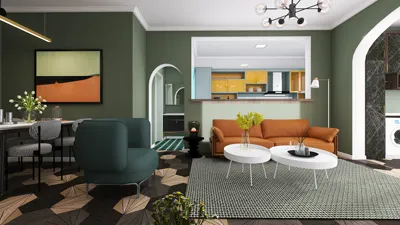

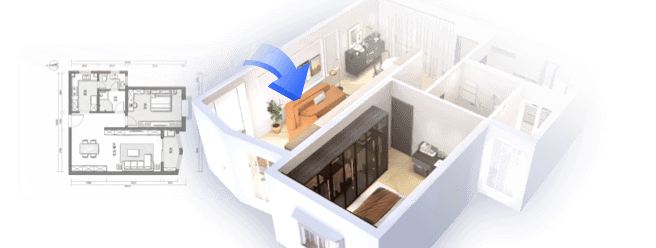
I recall an experience where I attempted to install an eye-catching scalloped valance for a client who insisted, "I want something that conceals the radiator while giving the space a royal touch." Unfortunately, I clipped the fabric too low, resulting in an awkward dinner with half the valance obstructing the best light — a lesson learned. For a fresh start, consider a straightforward adjustable solution that accounts for sightlines and furniture layout. I often begin with detailed sketches to visualize how the valance appears from various seating positions, especially when using tools like Homestyler to enhance the design process.
1. Sheer Voile Valance — lightweight and forgiving
I appreciate sheer voile valances as they add a delicate touch to windows without compromising natural light. They are budget-friendly and suitable for renters, although they may not offer much in terms of insulation or privacy on their own.
save pin
2. Tailored Box Valance — sleek, crisp, and structured
For a mid-century modern or contemporary dining space, a tailored box valance introduces architectural elegance without cluttering the visual appeal. Though it requires precise measurements and is more expensive, its clean lines lend a sense of intentionality to smaller rooms, making them feel more cohesive without being overwhelming.
save pin
3. Layered Valance with Roman Shade — versatile and inviting
By layering a short valance over a practical Roman shade, you achieve both aesthetic appeal and functional control: soft ambiance during the day and privacy at night. This combination is particularly effective in open-plan residences where the dining area is adjacent to the kitchen; I often coordinate design elements with the cabinetry when crafting space-efficient kitchen designs using Homestyler, ensuring that the window treatment harmonizes with the overall look.
save pin
4. Patterned Swag Valance — a small burst of personality
A patterned swag valance can anchor a table while introducing vibrant colors without the commitment of repainting entire walls. It offers an easy way to experiment with bold prints, but caution is advised; patterns may clash with busy wallpaper or ornate light fixtures, so it’s best to keep the surrounding palette subdued.
save pin
5. Minimal Wooden Cornice — adds warmth with a contemporary touch
A narrow wooden cornice presents a sophisticated, high-end appearance while concealing hardware neatly. I suggest it when you desire structure combined with modest insulation. Although it entails higher costs than fabric and requires some carpentry skills, the result is a dining room that feels thoughtfully designed. For visualizing the final aesthetic, I often utilize photorealistic 3D renderings through tools like Homestyler to preview different finishes and lighting effects.
save pin
FAQ
Q: What style of valance is best for a small dining area?
A: I typically opt for a sheer valance or a slender cornice to maintain open sightlines. Both options enhance style while preventing the ceiling from feeling lower.
Q: How high should a valance be mounted?
A: A standard recommendation is to position valances closer to the ceiling or 4–6 inches above the window frame to create a sense of height. The American Society of Interior Designers (ASID) advises that mounting treatments higher than the frame can visually elevate room height and enhance overall proportions.
Q: Can I mix patterns with a valance?
A: Absolutely — but maintaining balance is crucial. If the valance features a pattern, keep the furniture and walls neutral, or incorporate a small accent color from the valance elsewhere to unify the appearance.
Q: Are custom valances worth the expense?
A: Custom valances provide a perfect fit and the opportunity for unique fabrics or trims, which I strongly recommend if you aim for a refined finish. For those on a tighter budget, semi-custom kits can be a practical alternative.
Q: How do valances influence lighting?
A: Valances mainly diffuse and soften light rather than obstruct it completely; heavier materials may reduce glare, but they won’t substitute full blackout shades if you require total darkness for evening settings.
Q: What fabrics hold up best in a dining room?
A: I prefer blended fabrics with stain-resistant treatments for durability, along with natural linen for a relaxed feel; delicate materials should be avoided if you frequently host gatherings.
Q: Can I install a valance myself?
A: Simple fabric valances and cornice boxes can be a DIY project if you have basic sewing or upholstery skills and are comfortable using a drill. However, intricate layered designs or heavy cornices are usually best left to professionals.
Q: Any suggestions for coordinating valances with existing decor?
A: Select one or two colors from your current textiles (like rugs or cushions) and subtly reflect those hues in your valance. I always recommend testing a fabric sample near the dining table before making a final commitment.
What began as an Autodesk innovation has evolved into a design platform used by more than 20+ million registered users (platform data, 2026) around the globe. Homestyler combines powerful rendering, an intuitive editor, and a vast furniture library to help you turn inspiration into photorealistic designs — whether you're redesigning a single room or planning an entire home.
Looking to transform your space? Homestyler is your go-to online home design platform! With its user-friendly design tool, stunning 3D renderings, a wealth of design projects, and informative video tutorials, you can easily create, visualize, and implement your dream home ideas.
Design Now for FREE

















![Design [1]](https://hs-designs.homestyler.com/production/design/images/87c3311f-b762-48e5-aa6c-2a61ff42aaa8/1731347951087/7837764.jpg?x-oss-process=image/resize,w_502,m_mfit/format,webp)