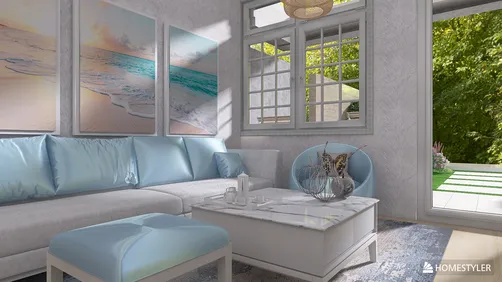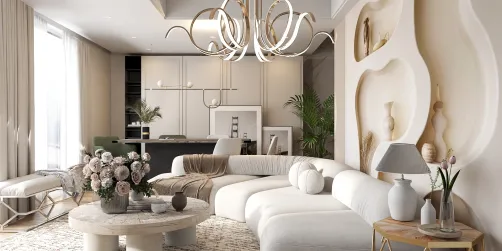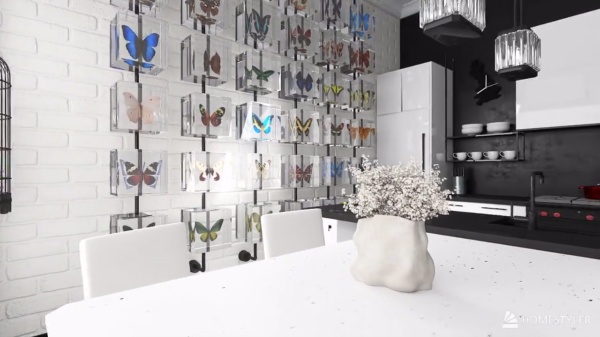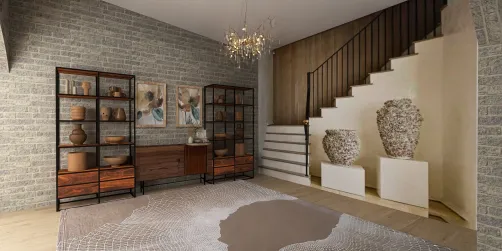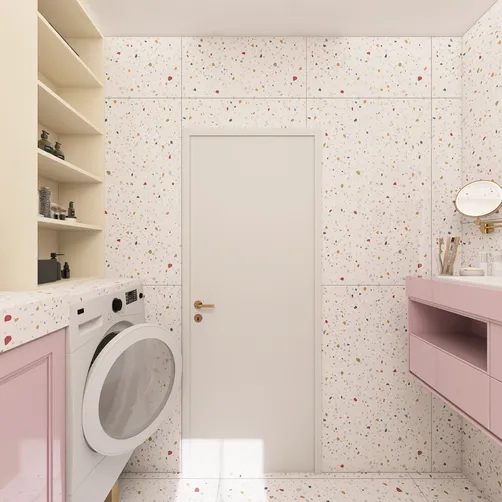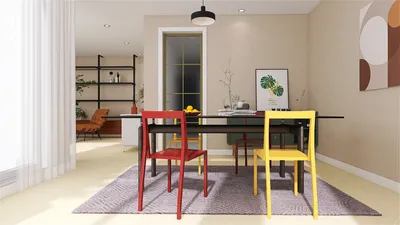
Once, I committed to repainting an entire studio using a 5-gallon bucket of white paint because the client desired an apartment ambiance reminiscent of 'clouds.' Arriving at 8am, I discovered that the prior contractor had selected a different shade of white for the trim. Consequently, we spent the day sipping coffee, debating on the complexities of undertones while I utilized Homestyler software to visualize the space in 3D, illustrating how one white can dramatically change its essence depending on morning or evening illumination.
1. Combine various sheens for added depth
I enjoy leveraging a single white hue while differentiating the sheen — matte for expansive walls, eggshell for seating areas, and semi-gloss for detailing. This approach prevents a monochromatic palette from appearing dull; however, it's essential to note that varying sheens can highlight imperfections, thereby emphasizing the necessity for thorough surface preparation.
2. Incorporate textured accents in the same white
Adding beadboard, shiplap, or plaster finishes painted in a unified 5-gallon white introduces subtle visual interest without altering the color scheme. This technique enhances brightness and establishes harmony, though it's worth noting that textured paint can complicate cleaning and may require more frequent touch-ups in busy areas.
3. Ground white with warm materials
White walls serve as a versatile foundation for warm wooden floors and woven textiles. Often, I create a rapid floor plan sketch to experiment with how furniture and lighting interact with the cool tones of certain whites. This results in a serene, timeless aesthetic; however, careful selection of warm woods and metals is crucial to avoid a muddied appearance.
4. Define spaces with glossy trim or painted ceilings
Opting for high-gloss white trim against matte white walls yields a crisp contrast that feels sophisticated. A white ceiling can make a room feel larger, but glossy finishes may expose roller marks — hiring a skilled painter or embracing the character of hand-applied finishes is advisable.
5. Integrate function into your finish
In kitchens and bathrooms, white surfaces reflect light beautifully and work in harmony with tiles and hardware. I always plan the layout to minimize splatter and advocate for durable finishes; during kitchen layout design, I often optimize for efficiency to ensure that the white surfaces remain practical. While white can conceal design faults, it also exposes wear, so it's wise to budget for upkeep in high-traffic areas.
FAQ
Q1: Is a 5-gallon bucket excessive for a single room?
A: Generally, it is too much for one room — a gallon typically covers about 350–400 sq ft per coat, meaning 5 gallons can cover roughly 1,750–2,000 sq ft. This quantity suits projects that involve an entire apartment or multiple rooms.
Q2: How many coats will be necessary?
A: Two coats are typically required for a uniform finish with white, and sometimes three if you change undertones or need to cover a deeper hue. Using primer can lessen the number of finish coats required.
Q3: Which sheen is ideal for interiors?
A: Eggshell or satin finishes are excellent choices for walls — easy to clean yet not overly reflective; semi-gloss is perfect for trim. Select sheens considering traffic levels and cleaning requirements.
Q4: How do I select the correct white undertone?
A: Experiment with large swatches across different times of day. I habitually apply 2–3 test patches and observe them in both morning and evening light — undertones become more apparent with changing illumination.
Q5: Are low-VOC whites worthwhile?
A: Certainly. For improved indoor air quality, opt for low-VOC or zero-VOC paints. The EPA advocates for minimizing exposure to VOCs when feasible (visit https://www.epa.gov/indoor-air-quality-iaq/volatile-organic-compounds for further information).
Q6: Does white paint yellow over time?
A: Lower-quality or oil-based whites can yellow; however, contemporary acrylic latex whites are much more resistant to yellowing. Keeping painted areas free from humidity and smoke helps maintain brightness.
Q7: How should I store leftover paint?
A: Ensure the bucket is sealed tightly, store it upside down to form a tight seal, and keep it in a cool, dry location. Label the batch code and color name for future reference.
Q8: What is a realistic budget for a 5-gallon white paint job?
A: The cost of paint for five gallons varies significantly — budget options can be between $100 and $150 total, while premium brands might range from $250 to $400. Remember to account for labor, primer, and preparation for the complete project costs.
Homestyler is your go-to online home design platform, perfect for all skill levels! With its user-friendly design tool, stunning 3D renderings, a wealth of design projects, and informative video tutorials, you can effortlessly turn your home design dreams into reality. Start creating today!