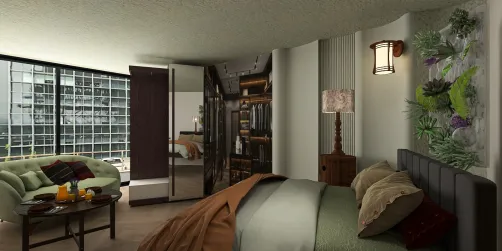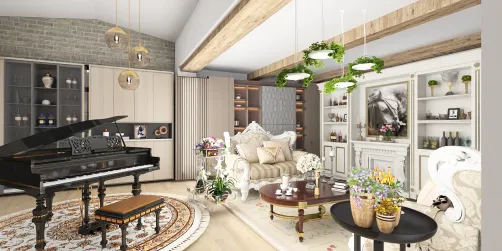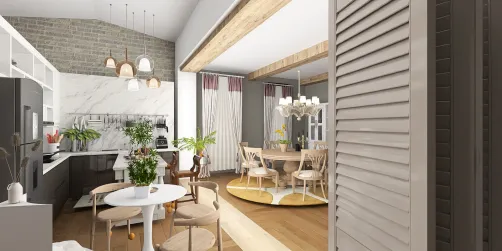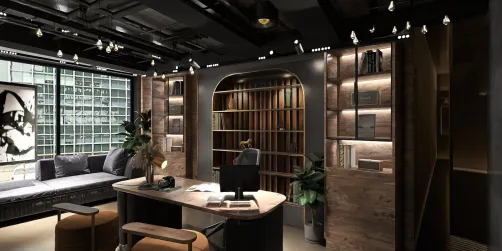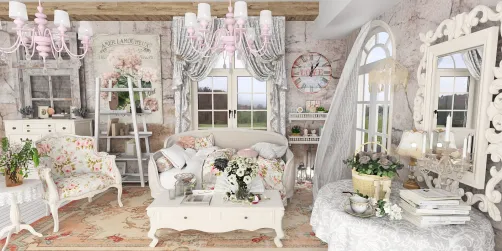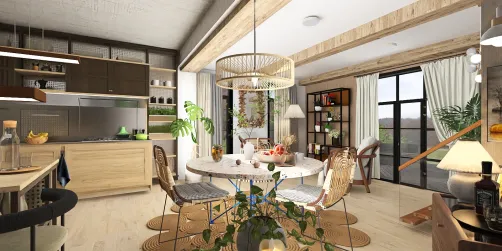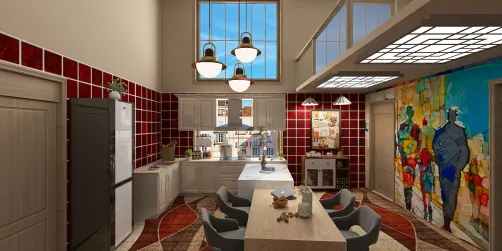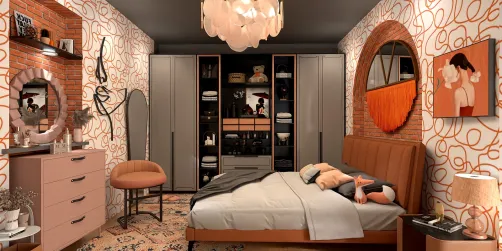
In one memorable project, I crafted a petite open kitchen where the client adamantly requested a designated "dining island" for their feline companion — a true tale! This experience not only taught me to consider pet dimensions in my measurements but also compelled me to rethink the movement flow within just 18 square meters. If you're struggling with compact open kitchen designs, I've compiled practical solutions that have proven effective in actual homes.
Limited spaces necessitate innovative design decisions, which I truly appreciate — boundaries enhance creative solutions. Below, I present five efficient layouts I frequently utilize for planning small open kitchen and living room configurations, sharing actionable trade-offs and insights drawn from real-life projects.
1. Galley Kitchen Featuring a Social Island
Reinvent the conventional galley kitchen by transforming one side into a streamlined island that serves as both a preparation area and a casual dining space. This setup maintains an efficient cook-to-dining transition and fosters a communal atmosphere without encroaching on the living area’s space.
What I appreciate: it combines efficiency with seating options. Caution: ensure a clearance of at least 36–42 inches to prevent crowding; otherwise, the island may obstruct flow.
save pin
2. L-Shaped Design with Defined Visual Zones
Utilizing an L-shaped kitchen layout against two walls allows the remaining area to accommodate a distinct living space. Incorporate rugs, ambient lighting, and a console or low shelf to create visual differentiation without the need for walls.
Advantages: flexible and straightforward to furnish. Minor downside: you'll need to utilize smart storage options such as tall cabinets or vertical racks to maintain clear countertops.
save pin
3. Concealed Pantry and Integrated Appliances
In especially narrow spaces, I often position a shallow pantry or a vertical appliance column into a nook to reduce visual clutter. Integrating a fridge, microwave, and ovens in a compact cluster conserves crucial countertop space for meal prep.
I quickly validate these concepts using 3D layout previews to ensure that doors are unobstructed by seating arrangements. Visualizing the area in three dimensions helps avoid unexpected complications later on.
Using 3D layouts, I convinced a couple to exchange a bulky chest for built-in pullouts; the improvement in space flow was immediate.
save pin
4. Banquette Seating and Versatile Surfaces
Incorporating built-in seating along walls or in window areas is a timeless approach for compact spaces. It serves multiple purposes: storage, dining, and lounging within a single footprint. A foldable table or sliding surface ensures adaptability for guests or movie nights.
Advantages: optimizes seating within limited areas. Disadvantage: it lacks modularity compared to conventional chairs, so consider accessibility and cleaning under-seat storage.
save pin
5. Material Cohesion for Consistency
One of my favorite design strategies is to maintain a unified material palette from kitchen cabinetry into the living area — replicating wood tones or tile patterns from the kitchen on a coffee table can visually enlarge the space and create cohesive transitions.
I recommend drafting precise floor plans before finalizing finishes to verify scale and sightlines in advance — this practice has prevented me from selecting countertops that would dwarf small sofa areas.
Detailed floor plans are an effective method for testing finishes and furniture arrangements prior to any renovations.
save pin
FAQ
Q1: What clearance is needed between the kitchen island and seating in a small open-layout kitchen?
I suggest maintaining a distance of at least 36 inches for a single-cook setup or 42 inches for dual cooks. These clearances promote smooth movement and avoid collisions.
Q2: Can I merge living and dining areas within 200–300 sq ft?
Absolutely — utilize multifunctional furniture like a banquette or extendable table, and delineate zones with lighting and rugs to ensure each area feels intentional and usable.
Q3: What's the optimal flooring approach for an open kitchen and living area?
Opt for continuous flooring materials to create the illusion of spaciousness. Durable options near the cooking zone (such as vinyl or tile) paired with softer textures in seating areas work effectively.
Q4: Are open-plan kitchens less energy efficient?
Not always — the selection of appliances and proper ventilation play a more significant role. Appropriately sized range hoods and energy-efficient appliances can help manage power consumption and odors.
Q5: How can I conceal clutter in an open-floor layout?
Focus on closed storage solutions and allocate specific areas for daily items. I frequently add shallow pull-out cabinets for mail and keys right at the kitchen entrance for convenience.
Q6: What is the minimum comfortable width for a galley kitchen?
The industry standard suggests maintaining a width of 36–48 inches based on traffic flow; the National Kitchen & Bath Association (NKBA) offers comprehensive circulation guidelines and suggestions (source: https://nkba.org).
Q7: Should kitchen cabinets match living room furniture?
Exact matching isn't necessary, but maintaining a consistent color temperature or material family can connect the two areas and enhance the sense of space.
Q8: How can I evaluate a layout prior to construction?
Create scaled sketches, then use painter’s tape or cardboard to simulate essential components. For swifter adjustments, I utilize various online tools for quick plans and layouts before finalizing measurements.
save pin
Homestyler is your go-to online home design platform! With its user-friendly design tool, stunning 3D renderings, and a wealth of DIY video tutorials, you can effortlessly create and visualize your dream spaces. Transform your home design journey into a fun and inspiring experience!