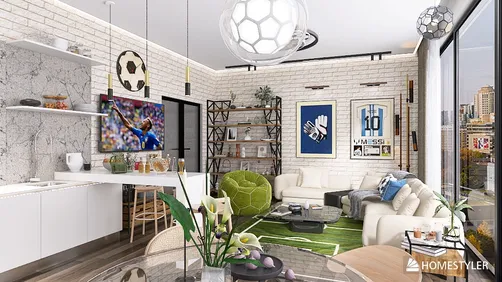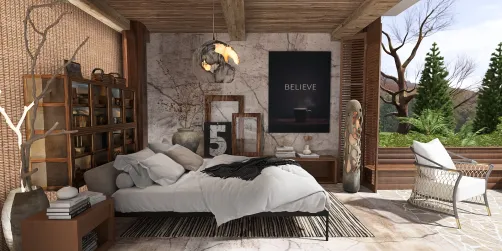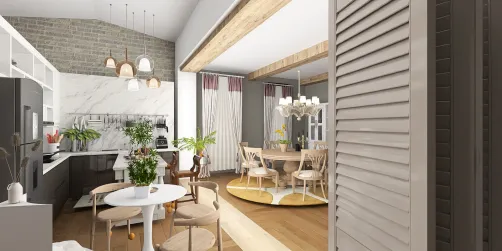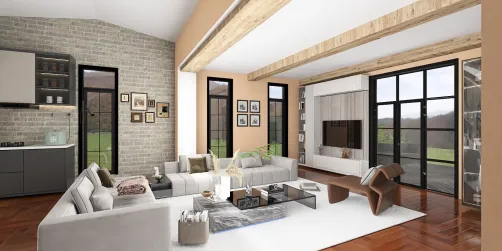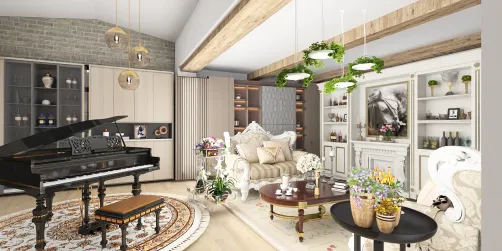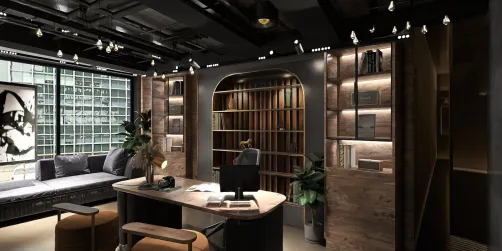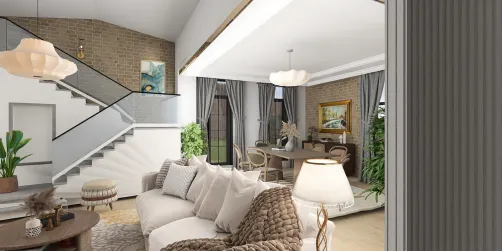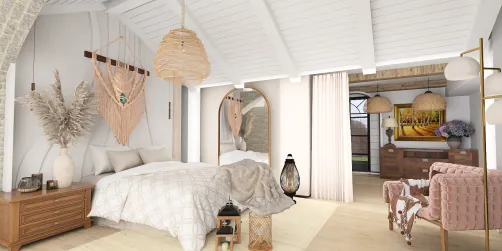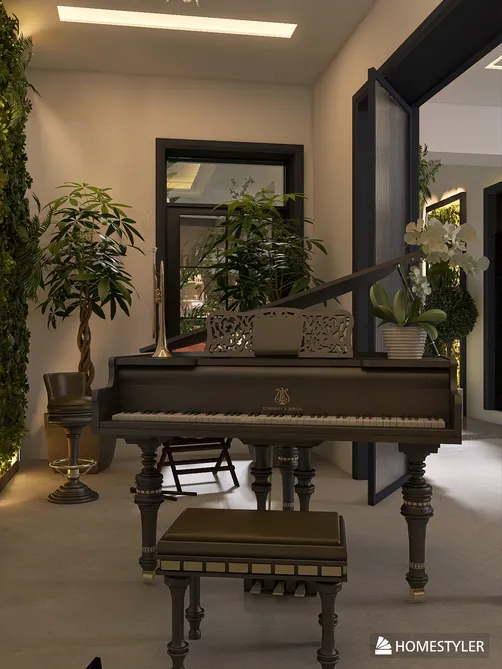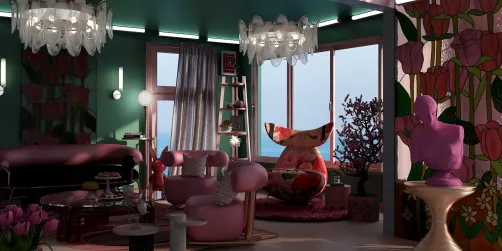
Throughout my ten years as an interior designer, I've observed a significant evolution in how rugs are perceived — they’ve moved beyond mere functionality to become the artistic heart of a living space. In today's home decorating landscape, a well-selected rug can not only visually enhance a compact area but also clearly delineate different zones in open-concept designs. I've witnessed how smaller rooms can evoke immense creativity; clients have successfully revitalized a space merely by reconsidering their rug selections. Here are 10 adept rug ideas for living rooms, encompassing my experience, professional insights, and design analytics, while keeping the concept of Homestyler in mind.
1. Minimalist Neutral Rugs
From my perspective: Replacing an old patterned rug with a soft beige wool alternative instantly created a serene and spacious atmosphere in my living area. Neutral rugs serve as the perfect backdrop for various décor elements.
Benefits: Neutral minimalist rugs are incredibly adaptable, suiting styles ranging from Scandinavian chic to modern farmhouse. According to a 2023 Houzz report, lighter shades can make smaller rooms feel more expansive.
Drawbacks: If the rest of the living room color scheme is also subdued, these rugs might come across as bland. To combat this, incorporating texture is essential to add some variety.
Advice: For added seasonal versatility, consider layering a smaller patterned rug on top.
2. Vintage Pattern Revival
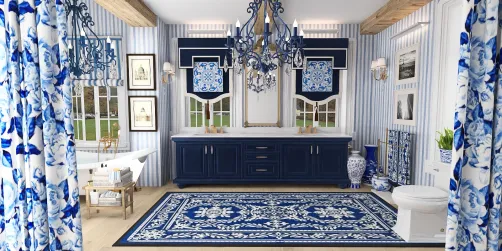
My view: A weathered Persian rug added warmth and personality to a small apartment I updated during the last winter season. Worn patterns are fantastic at concealing any signs of wear.
Advantages: Bringing a touch of history, vintage rugs imbue a space with a lived-in aesthetic and are particularly effective in eclectic settings. Additionally, their patterns can cleverly disguise stains.
Disadvantages: Genuine vintage rugs can be quite expensive and may demand more maintenance compared to alternatives. A high-quality reproduction often proves to be a practical option.
In one project, combining a vintage rug with warm wooden features resulted in a charming heritage-inspired atmosphere that the clients adored.
3. Bold Geometric Statements
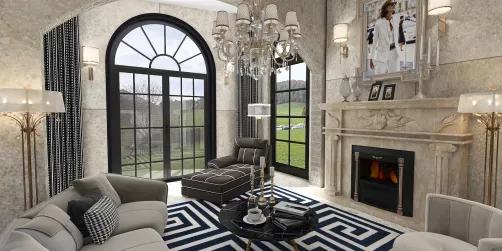
From my experience: In a young couple’s newly acquired home, a prominent black-and-white geometric rug served as the centerpiece that unified their eclectic furniture collection.
Pros: This type of rug makes an immediate impression and can elevate a standard couch to look thoughtfully curated. Geometric designs are forecasted to be popular by Elle Decor’s 2024 predictions.
Cons: High-contrast styles might restrict your ability to change up your interior design aesthetics later.
4. Natural Fiber Warmth
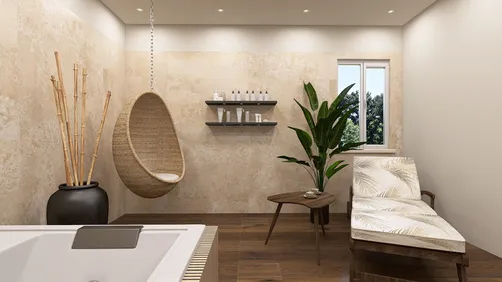
My personal touch: I’m especially fond of jute and sisal rugs in areas needing tactile grounding. They feel great underfoot and age beautifully over time.
Pros: These eco-friendly and durable options work well in coastal, rustic, or minimalist settings. Per Architect Magazine, they also benefit indoor air quality.
Cons: While they’re not the softest for lounging, they may pose challenges in households with pets.
5. Layered Rug Combinations
In my practice: I once layered a delicate Moroccan rug on top of a broad sisal base in a tiny apartment, creating depth without overwhelming the space.
Advantages: This allows for the blending of colors and textures, and you can enjoy seasonal changes without the need to replace the foundational rug.
Drawbacks: More layers result in extra cleaning, leading to potential double-vacuuming in certain spots.
6. High-Pile Comfort Zones
In cooler climates, a sumptuous shag rug can convert a living space into the coziest of retreats. My children affectionately refer to ours as 'the reading cloud.'
Benefits: These rugs provide exceptional comfort underfoot and work wonderfully for creating inviting conversation areas. Additionally, high-pile rugs absorb sound, especially in echo-prone rooms.
Drawbacks: They can be somewhat challenging to clean and might harbor allergens.
Tip: Opt for a washable shag rug for spaces frequented by family.
7. Monochrome Elegance
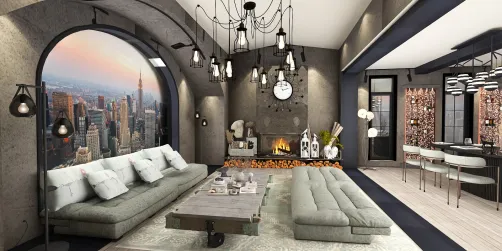
My take: A deep charcoal single-tone rug simplified the aesthetic of a client's busy open-layout home, allowing their art collection to shine through.
Benefits: Such rugs highlight other design focal points, show wear less prominently than lighter shades, and fit seamlessly within modern interiors.
Drawbacks: Monochromatic designs might appear dull without varied textures.
Example: By strategically arranging the furniture, this rug facilitated clear zoning within the space.
8. Color-Blocked Energy
My thought: For an artist’s living quarters, a rug adorned with bold color blocks mirrored her artistic palette, turning it into a floor-level masterpiece.
Advantages: Infusing character and personality, such rugs can unify disparate color elements and are excellent for mapping out areas in open layouts.
Drawbacks: These can clash with changing wall colors, so careful consideration of pattern placement is crucial to achieving visual balance.
9. Round Rug Softness
For a compact square living room, opting for a round rug softened the harsh angles and formed a perfect central gathering area.
Benefits: The unique shape adds visual interest and alleviates the monotony of sharp lines in the furniture arrangement.
Drawbacks: Sourcing larger sizes can be challenging, and they might result in space inefficiencies in some layouts.
Budget insight: Custom cuts are an option, but they can be on the pricier side—consider checking with local rug artisans.
10. Artistic Abstract Rugs
An abstract watercolor-inspired rug served as the primary focal point in a gallery-like apartment I curated.
Pros: It conveys a curated and distinctive vibe, akin to possessing a piece of functional art. These rugs are fantastic for introducing layers of narrative and sentiment.
Cons: Pairing them with equally intricate walls or furniture can lead to visual chaos.
In a recent styling project, the fluid tones of the rug complemented subtle modern lighting beautifully, creating a balanced aesthetic.
In Summary
Small living spaces present an opportunity for innovative design rather than limitations. A well-chosen rug can redefine the scale, ambiance, and functionality of a room. As Architectural Digest emphasizes, the ideal rug anchors not only your furniture arrangement but also your overall color narrative. Out of these ten rug concepts for living rooms, which one catches your eye to try first, especially with tools like Homestyler to visualize the changes?
FAQ
Looking to transform your space? Homestyler is your go-to online home design platform! With its user-friendly design tool, stunning 3D renderings, diverse design projects, and insightful video tutorials, you can easily create and visualize your dream home—no prior experience needed!