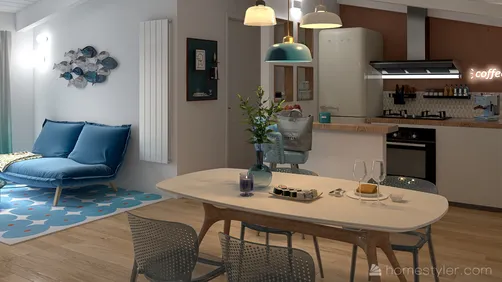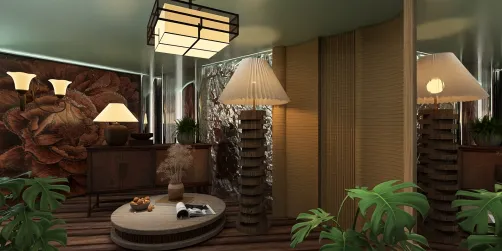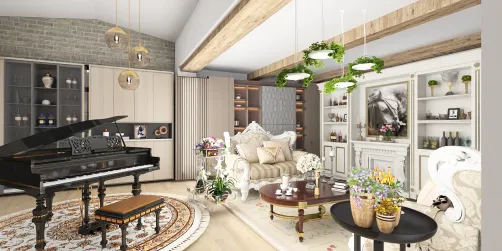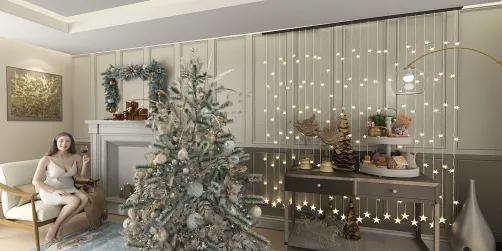
As a designer with over ten years of experience in kitchens and small-space projects, I've witnessed many trends evolve, yet one truth remains: effective staging is essential for selling. In today's real estate landscape dominated by minimalist designs and functional spaces, small kitchens offer significant design opportunities. That's why I’m excited to share five kitchen staging tips that marry style, utility, and potential resale value. If you're working with a compact layout, prioritizing minimalist kitchen storage design right from the start can save you considerable effort later on.
Minimalist Kitchen Storage Design
From my perspective, I always remind clients that visible clutter makes a room feel chaotic. In one renovation for a young couple, we replaced upper cabinets with open shelving and optimized drawer space—instantly, the kitchen felt much more serene. This simplicity is at the core of my staging philosophy.
Benefits: Neat, staged kitchens photograph exceptionally well and attract buyers seeking straightforward, functional solutions. Implementing small kitchen staging tactics—such as uniform storage containers, integrated spice racks, and pull-out pantries—demonstrates that the kitchen is organized and manageable. These long-tail staging tips often enhance perceived storage without the need for major renovations.
Drawbacks: However, a minimalist approach can appear sterile if taken too far—an all-white, bare countertop resembles a showroom rather than a home. I playfully tell clients that excessive minimalism may resemble a café without its signature espresso machine; it's important to add character in a balanced way.
Advice: Opt for closed storage for frequently used items and open shelving for beautifully arranged pieces. A few matching jars and a wooden serving tray can warm up a minimalist arrangement without creating clutter. Economically, simple drawer dividers and a decluttering effort cost significantly less than complete cabinetry changes, and they yield excellent results in photographs.
save pin
Glass Backsplash for a More Airy Kitchen
In my journeys as a designer, I suggested a glass backsplash in a narrow galley kitchen years ago. It remarkably reflected light, making the area seem larger and cleaner. This low-cost investment provides a significant visual impact when staging.
Pros: A glass backsplash offers an open, lustrous surface that enhances both natural and artificial light, a crucial aspect of budget-friendly small kitchen staging ideas. It’s easy to clean and pairs wonderfully with stainless steel appliances, giving the kitchen a modern, move-in-ready appearance for prospective buyers.
Cons: Glass does tend to show fingerprints and streaks more prominently than tile, necessitating a quick wipe down before showings. It lacks warmth, which is why I often pair it with softer elements like wood or woven textures to avoid a cold look.
Example: In a recent rental renovation, I combined a light glass backsplash with under-cabinet LED lighting; the outcome was stunning in listing photos. If you want to explore different possibilities before making a final choice, utilizing 3D rendering tools like Homestyler can help visualize the impact of reflective materials in your staged kitchen layout.
Additionally, a glass backsplash complements neutral countertops and sleek hardware, enhancing modern staging photos that lure in more viewers online.
save pin
L-Shaped Layout to Free Up Counter Space
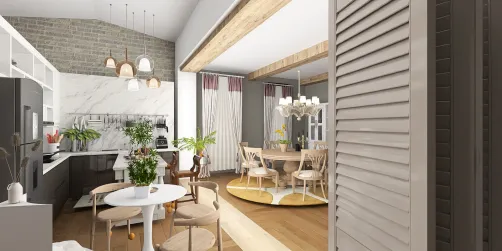
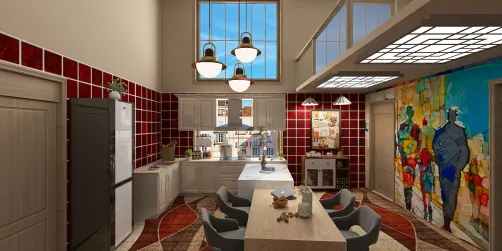
In my experience, the L-shaped kitchen configuration is ideal for small spaces as it naturally creates designated workflow zones while allowing for an open area for seating or foot traffic. After transforming a cramped kitchen into an L-shaped design, the occupant quickly reported that it felt 30% roomier during daily use.
Benefits: An L-shaped kitchen maximizes corner storage and provides a continuous counter area, a key advantage when demonstrating functionality during showings. It also supports multitasking, making the space feel more efficient and user-friendly in listings.
Drawbacks: Restructuring a galley kitchen into an L-shaped layout sometimes involves trade-offs: you might lose a wall cabinet or need to reconsider plumbing positions. I often joke with clients that we lack magical powers, but smart rearrangements typically achieve great results.
Advice: If altering walls isn’t an option, you can still simulate an L layout by clustering appliances together and keeping one counter area clear for food preparation. Adding a slim mobile cart or a foldable table can offer the illusion of additional counter space without substantial renovation costs.
save pin
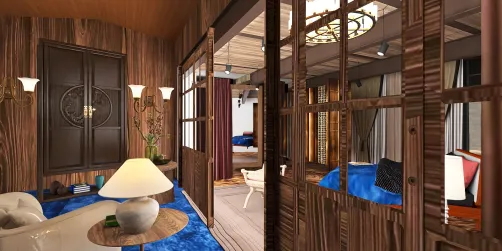
Wood Elements Bring a Warmth and Human Touch
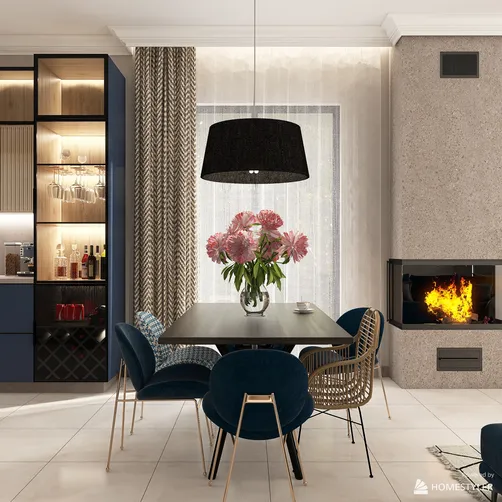
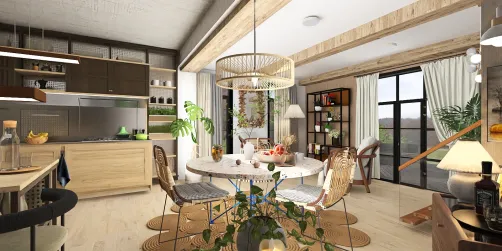
I never underestimate the impact of wood in design. In one staged condo, adding a walnut shelf and a butcher-block cutting board turned a cold kitchen into a welcoming space—potential buyers lingered significantly longer during open houses. Wood brings a sense of humanity to a staged environment.
Benefits: Wooden finishes introduce warmth and texture, countering the cooler materials like stainless steel and glass. For those on a budget, a few strategically placed wooden accessories or open shelving create a high-impact, cost-effective method to incorporate stylish kitchen staging ideas without breaking the bank.
Drawbacks: Real wood requires maintenance and may show signs of wear; veneer or engineered alternatives are often more durable for rental or resale situations. In staging, it's vital to achieve the right balance so that the space feels both inviting and immaculate.
Advice: Introduce wood accents conservatively, such as floating shelves, cutting boards, or a wooden stool, ensuring the finish enhances rather than overwhelms. To maintain a cohesive appearance, match the wood tone with another element, like flooring or dining chairs.
save pin
Lighting and Styling: Layered Light Plus the Right Accessories
Lighting serves as the silent yet effective salesperson in any kitchen. I always emphasize the importance of three lighting layers: ambient, task, and accent. In one instance, a dimly lit kitchenette transformed into the most sought-after unit in a building after we installed LED lights and added task pendants; the difference was striking.
Benefits: Adequate lighting highlights materials, adds depth, and creates a welcoming atmosphere in staged kitchens—imperative for online listings. Accessories like a simple floral arrangement, a neatly arranged tea towel, or a bowl of fresh lemons infuse life without introducing clutter, conveying lifestyle potential to buyers.
Drawbacks: Styling can go awry if personal items remain visible; staging should steer clear of overly specific or personal memorabilia. I always remind clients that less is more: curate thoughtfully rather than over-decorating.
Budget Tip: Investing in quality LED under-cabinet lighting and eye-catching pendants can yield significant benefits without high costs. If funds are tight, prioritize lighting improvements over decorative expenditures; your staged kitchen will be more appealing in photos.
Summary: Small kitchens don’t limit design possibilities; they encourage smarter decisions. The five kitchen staging techniques I’ve shared—minimalist kitchen storage design, a glass backsplash for an airy feel, an L-shaped layout for maximizing counter space, wooden elements for warmth, and layered lighting alongside thoughtful styling—are practical and budget-conscious methods I've successfully applied in numerous projects. Intentional staging can enhance buyer perception and listing performance; the National Association of Realtors has long acknowledged the positive influence of staging on sales outcomes (for more insights, refer to their staging guidelines: NAR).
Which idea are you eager to implement first? I’m curious to know which of these concepts resonates most with your space.
save pin
FAQ
Q1: What are the most effective kitchen staging strategies for small kitchens?
A: Emphasize decluttering, maximizing counter visibility, and maintaining consistent styling. Focus on multifunctional storage and effective lighting to create an illusion of spaciousness and increased usability.
Q2: How much should I allocate for staging my kitchen?
A: A large budget isn’t necessary; minor investments in lighting, drawer dividers, and a few well-chosen accessories can yield impressive returns. Focus on areas where cameras and buyers will pay attention—like countertops, appliances, and lighting fixtures.
Q3: Do buyers prefer modern or traditional staging styles?
A: It varies by market, but generally, neutral and contemporary designs tend to have broad appeal as they feel move-in-ready. Remove personal items and utilize neutral colors with a single warm accent to attract a wider audience.
Q4: Can staging enhance the sale price of a home?
A: Definitely—numerous research studies indicate staged properties sell more quickly and often at higher prices. The National Association of Realtors has evidence showing how staging can positively affect buyers’ perceptions and negotiation outcomes (NAR).
Q5: What are some quick fixes for staging before an open house?
A: Clear off counters, add a bowl of fresh produce, set a place at the dining table, and ensure that the lighting is bright and evenly distributed. Wipe down all surfaces and remove personal photographs and refrigerator magnets.
Q6: How can I stage a kitchen on a limited budget?
A: Utilize existing items but edit rigorously: matching containers, a fresh tea towel, a potted herb, and focused lighting enhancements can work wonders. Small kitchen staging strategies for resale—like coordinated jars and a single highlight pendant—can be surprisingly cost-effective.
Q7: Which materials photograph best in staged kitchens?
A: Matte countertops featuring subtle patterns, warm wooden accents, and reflective surfaces (like glass backsplashes) tend to photograph beautifully. Steer clear of overly shiny materials that create glare; instead, opt for surfaces that appear neat and durable.
Q8: Should I attempt DIY kitchen staging, or hire a professional?
A: Many basic staging aspects are DIY-friendly if you adhere to core principles: declutter, neutralize, and ensure good lighting. For complex redesigns or high-end properties, consulting a professional stager or designer can optimize investment and enhance appeal.
save pin
Homestyler is your go-to online home design platform that makes transforming your space easy and fun. With its intuitive design tool, stunning 3D renderings, inspiring design projects, and helpful DIY video tutorials, you’ll turn your home design dreams into reality in no time!