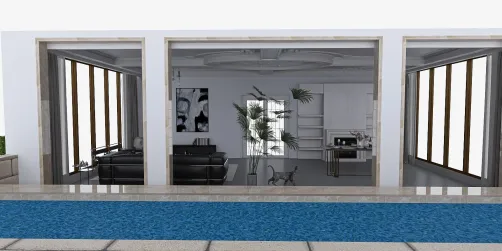
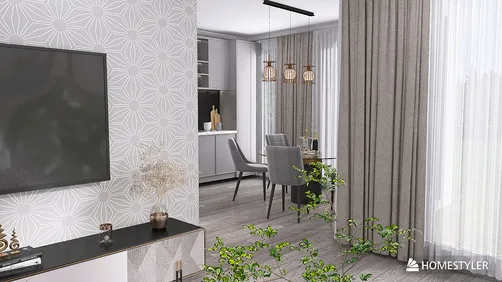
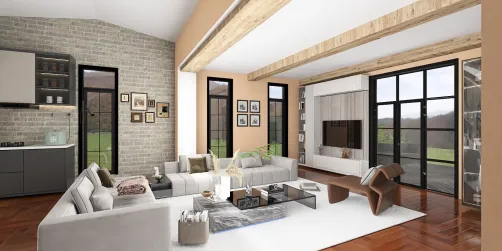
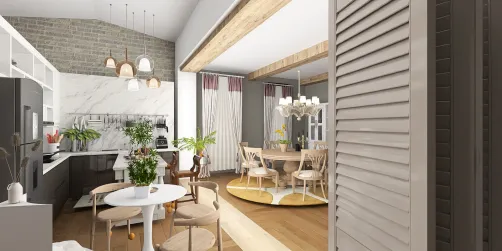
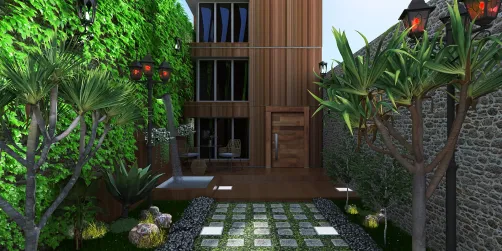
In a past project, I painted a client's interior door a bold navy blue without assessing the lighting beforehand — it turned into a dark spot in the hallway. However, using a quick mockup helped visualize the situation and ultimately resolved the issue. To prevent similar oversights in the future, I now consistently visualize my paint selections before applying the first coat, often employing tools like Homestyler to create 3D visualizations that showcase how different sheens and colors interact with varying light conditions. It's crucial to consider that small doors can significantly influence the overall feel of a room, serving as petite canvases that deserve thoughtful decisions.
Small areas ignite significant creativity. In this article, I’ll share five practical paint ideas for interior doors drawn from projects I've led, featuring genuine professional insights, minor compromises, and budget strategies you can implement this evening.
1. Water-Based Alkyd (The Optimal All-Rounder)
Modern water-based alkyd is my preferred choice for most interior doors due to its ability to deliver a hard, enamel-like finish without the intense odor commonly associated with traditional oil paints. It levels out beautifully, resists scratches, and is simple to clean with soap and water, making it an excellent option for rental properties or busy family homes.
A downside is that it tends to cost more than standard latex paint, and achieving a factory-smooth finish typically requires either a high-quality brush or a brushless sprayer. In a small hallway project, I successfully used it with a mini-roller, attaining impressive coverage with just two thin coats.
save pin
2. Oil-Based Enamel (Ultimate Durability)
Oil-based enamel still holds its ground where durability is paramount — think of spaces like utility rooms, mudrooms, or doors that endure constant slamming and touching. It sands to a perfectly smooth finish and cures into a robust surface capable of withstanding significant wear and tear.
My cautionary note: oil-based formulas can yellow over time, particularly on white paints, and require mineral spirits for brush cleaning. If opting for oil on a light-colored door, choose a modern formula or a tinted primer to mitigate the yellowing effects.
save pin
3. Satin or Eggshell (Elegant, Subtle Sheen)
Satin or eggshell finishes are my favorites when aiming for a polished look without the shine of high gloss. These sheens effectively conceal small imperfections and impart a sophisticated touch on panel doors, particularly in bedrooms and living areas. For kitchen door renovations, it’s wise to organize your layout to ensure the finish complements cabinet hardware and the kitchen's overall workflow, as finishes can behave differently near countertops and appliances.
One downside is that satin isn’t as easy to clean as semi-gloss, so for children’s rooms, I typically opt for a more durable sheen.
save pin
4. High-Gloss (Striking and Easy Maintenance)
High-gloss paints are ideal for interior doors that require frequent cleaning; fingerprints and dirt come off effortlessly. This finish also lends a premium look to modern shaker doors and creates a stark contrast when paired with matte walls.
However, truth be told, high gloss accentuates every brush stroke and surface imperfection. For the best results, utilize a sprayer or sand between coats, allowing extra time for preparation in a dust-free environment to achieve that mirror-like finish.
save pin
5. Chalk or Specialty Paint (Texture and Character)
Chalk paint, milk paint, or textured finishes are my go-to secret weapons for creating a vintage or handcrafted aesthetic when requested by clients. These options enable you to distress edges, explore two-tone designs, or introduce subtle textures that render a door uniquely stylish.
They are usually less durable without additional sealing, so I often cover high-touch doors with a clear wax or protective polyurethane finish. If you're keen to try something new without a long-term commitment, start with a sample door and employ a Homestyler room mockup to see how the finish interacts with wall colors and light.
Quick budget advice: invest in high-quality paint for the door finish while opting for a matching or slightly lower-sheen paint for the trim — this way, the door takes center stage.
save pin
FAQ
Q1: What’s the best single paint sheen to use on interior doors?
I typically recommend satin or semi-gloss for most doors; satin conceals flaws while being reasonably easy to clean, whereas semi-gloss offers additional toughness for high-traffic areas.
Q2: Is oil-based paint superior to water-based for doors?
While oil provides a very hard finish, modern water-based alkyds now match much of that performance, featuring lower VOCs and easier cleanup. Thus, they are frequently my first recommendation for various projects.
Q3: How many coats are necessary for interior doors?
Plan for two high-quality coats on a properly primed surface; occasionally, a third coat may be necessary for complete coverage, especially with deep or saturated hues.
Q4: Can I achieve a professional finish by spray painting interior doors?
Absolutely — spraying produces the smoothest, most factory-like finish, particularly on panel doors. Take care when masking, and consider light sanding between coats for optimal results.
Q5: How can I avoid brush strokes on high-gloss doors?
Use a high-quality synthetic brush or a foam roller, thin your paint slightly if manufacturer guidelines permit, and sand gently between coats to attain a glossy surface.
Q6: Is it advisable to use low-VOC paints for doors?
Definitely — low-VOC water-based alkyds offer excellent performance with minimal odor and quicker reoccupation times, making them perfect for bedrooms and rental properties.
Q7: Which brands or sources are reliable for technical guidance?
To get authoritative specifications and insights, refer to manufacturer data sheets from trusted sources like Sherwin-Williams and Benjamin Moore; particularly, Sherwin-Williams offers practical tips on finishes (see their technical resources at https://www.sherwin-williams.com/ for further information).
Q8: How do I coordinate door paint with wall color?
I create small test samples in the actual room to observe how they look at various times of day; often, combining a crisp high-gloss door with a soft matte wall results in the most contemporary and intentional appearance.
save pin
Discover the ease of home design with Homestyler! This user-friendly platform features an intuitive online design tool, stunning 3D renderings, and a wealth of design projects and DIY video tutorials. Bring your creative visions to life effortlessly, whether you're a beginner or an experienced designer!