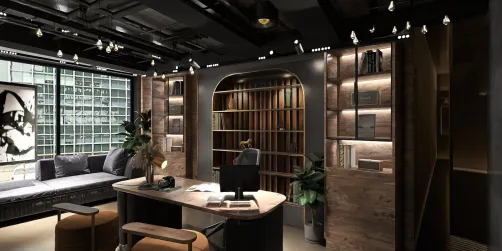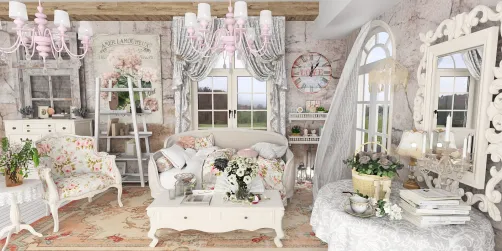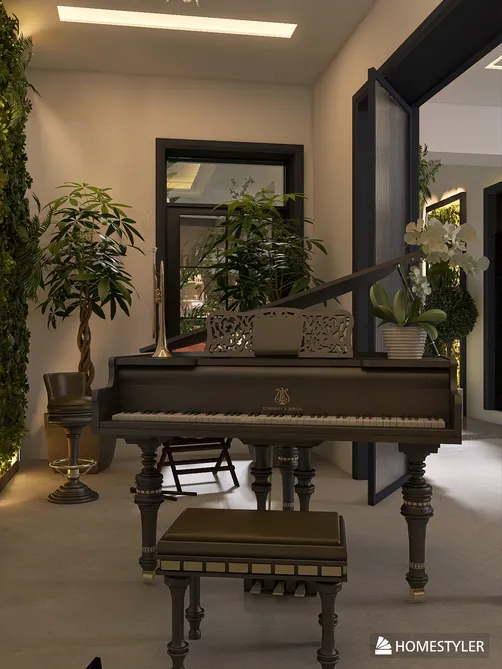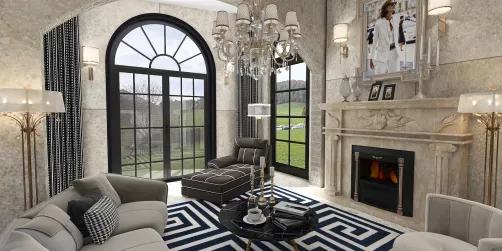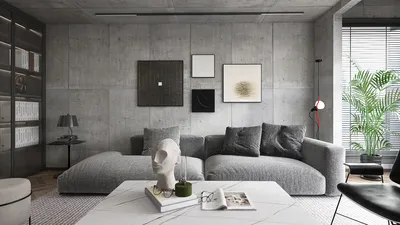
I once had a client insist on a neon-green accent wall for a law office, believing it would make lawyers "more energetic." I managed to convince them otherwise, which taught me valuable lessons about achieving balance in space design. Small commercial spaces demand courage and precision; decisions regarding color can significantly impact perception, flow, and maintenance more than you might think. If you're searching for commercial interior painting options nearby, here are five insightful strategies based on my project experiences that will help you make informed choices swiftly. I frequently create prototypes of space-saving designs in conjunction with paint samples to ensure that color and circulation harmonize effectively.
1. Two-tone zoning to define areas without the need for walls
I enjoy applying two complementary colors to clearly distinguish a reception area from coworking stations. This approach is more cost-effective and cleaner than installing physical partitions, and it enhances wayfinding. However, it’s crucial to maintain consistent trims and ensure a smooth transition; poor execution can appear unprofessional, so use tape meticulously or engage professionals who excel in preparation.
save pin
2. Choose durable low-sheen finishes for high-traffic areas
In commercial settings, it’s essential to select paints that can withstand scuffs and are easy to clean. Semi-gloss or premium eggshell finishes are ideal for hallways and break rooms as they provide durability and are easy to wipe down, but be mindful of reflections—too much gloss can make your space feel sterile. Budget wisely: invest in quality paints for heavily-used spots and cut back on ceilings and upper walls.
save pin
3. Enhance light and height with color choices
Utilizing light-reflective shades can create the illusion of more spacious corridors and cause darker ceilings to visually recede. I often suggest a warmer white for north-facing rooms to avoid a chilly atmosphere. Before finalizing decisions, I prefer to use 3D renderings to help clients visualize how paint interacts with actual lighting—what appears appealing in a sample can look flat in the completed space.
save pin
4. Use paint as a tool for branding and wayfinding
Incorporating branded colors on accent walls, door frames, or directional lines can effectively unify retail or office environments while guiding visitors seamlessly. This subtle marketing technique often proves more cost-effective than traditional signage. However, a cautionary note: intense brand colors can be overwhelming—opt for muted tones or balanced neutrals to ensure longevity and broad appeal.
save pin
5. Strategies for breakroom and kitchen functionality and hygiene
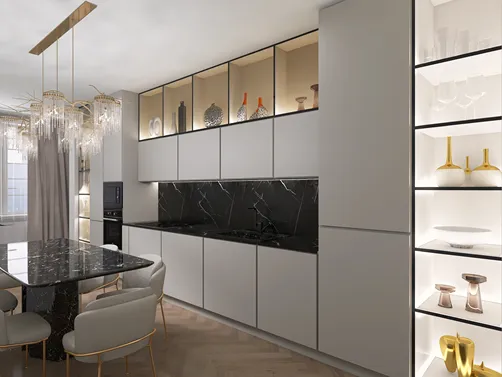
Breakrooms should feature finishes that are easy to clean and resistant to mildew, especially near sinks. Opt for washable paints and consider a slightly darker baseboard to help disguise scuffs. Align your color selections with a layout that promotes efficient kitchen workflow, which will help minimize spills, stains, and the need for frequent repainting—ultimately saving money over time.
save pin
FAQ
Q1: How can I find dependable commercial interior painting options near me?
A: Begin by checking local reviews, requesting commercial references, and looking at recent job photographs; confirm that they have the appropriate insurance coverage. A brief site visit and a written estimate can provide insight into their professionalism.
Q2: What paint sheen is optimal for commercial walls?
A: Eggshell to semi-gloss finishes are generally effective—eggshell conceals imperfections while semi-gloss is easy to clean. Utilize higher sheens in high-traffic or easily washable locations.
Q3: What is the expected lifespan of commercial paint?
A: With quality paint and standard wear, anticipate a lifespan of 5 to 10 years; areas with high foot traffic may require touch-ups sooner. Regular maintenance can help prolong durability.
Q4: Should I consider low-VOC paint options for commercial projects?
A: Absolutely—low-VOC paints enhance indoor air quality and minimize odors during occupancy. The EPA outlines guidelines on VOCs and indoor air quality (please refer to https://www.epa.gov/indoor-air-quality-iaq/volatile-organic-compounds).
Q5: In what ways can paint reinforce my brand in a small space?
A: Leverage brand colors for accents, uniform trims, and palettes supported by signage; this communicates identity without overwhelming clients. Balance bright shades with neutral tones to maintain a welcoming atmosphere.
Q6: Is hiring a commercial painter better than working with a general contractor?
A: For paint-related tasks such as surface preparation, commercial coatings, and compliance with regulations, a specialist can save time and provide superior durability. While general contractors may suffice for minor refreshes, pros typically reduce the frequency of repainting.
Q7: What budget should I anticipate for a commercial repaint?
A: Pricing can vary widely based on square footage, preparation requirements, and quality of paint; smaller jobs may begin at a lower cost, but unforeseen prep work can inflate overall expenses. Always request detailed quotes and compare the brands of paint being used.
Q8: Can I keep my business open while painting?
A: Often yes, especially with low-VOC paints and phased staging of work, yet significant renovations during high traffic times may necessitate off-hours operations. Strategically planning schedules can minimize disruption, and effective communication with tenants or staff is key.
Looking to transform your space? Homestyler is your go-to online home design platform! With its user-friendly design tool, stunning 3D renderings, and a wealth of DIY video tutorials, you can effortlessly create and visualize your dream home projects. Start designing today!