

Having orchestrated over a hundred events at venues such as King's Landing Party Hall, my experience encompasses everything from intimate milestone dinners to expansive corporate galas. The essence of a successful event space is built upon five key factors: spatial configuration, lighting design, sound quality, flow, and material selection. When these elements are in harmony, attendees feel welcomed, the energy remains vibrant, and the event timeline flows seamlessly.
Effective event planning can be quantified. The WELL v2 guidelines suggest that achieving suitable illumination levels—typically between 300 and 500 lux for social environments—and controlling glare significantly enhance comfort and perceived quality. The WELL Light concept correlates adequate lighting with improved mood and alertness. Research from Steelcase indicates that workplaces which balance social and quiet zones achieve higher satisfaction; this principle similarly applies to event venues, where distinct yet cohesive areas foster comfort and engagement. These benchmarks guide me when customizing the King’s Landing Party Hall for various events, from cocktail receptions to awards ceremonies. For exploring layouts and quickly sketching designs, a specialized room layout tool is invaluable for simulating seating arrangements, stage visibility, and guest movement.
Behavior plays a crucial role, too. Gensler’s studies of experience-driven environments reveal that spaces designed with a clear purpose—whether it’s for gathering, celebration, presentation, or dining—yield higher levels of participation. If networking is your event's primary objective, consider creating a circular path with several micro-bars; for ceremonies, it's important to prioritize sightlines and stagger seating arrangements. Understanding this, I’m able to configure King’s Landing Party Hall as a versatile and high-performing venue that aligns perfectly with your guest count, program, and brand atmosphere.
Spatial Strategy: Capacity, Zones, and Sightlines
To begin, I outline capacity ranges: cocktail (5–6 sq ft per guest), banquet (10–12 sq ft per guest), and theater (7–9 sq ft per guest). This approach ensures an accurate headcount while maintaining guest comfort. Next, I identify three fundamental zones: the welcome area, the core activity space (including the stage, dance area, and dining), and supporting areas (like bars, catering, AV setup, and green rooms). The welcome zone should handle arrivals fluidly; I target a clear width of 10–12 ft at the entrance and aim signage towards coat checks and restrooms. In the core activity space, it’s essential to ensure that the stage is visible from 85–90% of available seats, utilizing staggered rows and diagonal aisles. A layout simulation tool assists in the evaluation of sightlines and ADA-accessible routes.
Lighting Design: Mood, Color Temperature, and Glare Control
Lighting significantly influences the atmosphere and the quality of photographs taken during events. For receptions, employing 2700–3000K warm dim lighting enhances facial features and promotes conversation. In contrast, events featuring speeches or award presentations benefit from a mix of 3500–4000K task lighting close to the stage, enhancing clarity without compromising skin tone. Following IES best practices, I maintain an average horizontal illuminance between 300 and 500 lux in social areas while managing glare levels through diffusers and indirect uplighting. Adding accent layers, such as pin spots highlighting centerpieces or low-glare wall grazers on textured surfaces, enhances visual depth. Control becomes streamlined with presets for welcoming guests, dining, programming, and dancing, allowing coordinators to transition scenes effortlessly.
Acoustic Comfort: Speech Intelligibility and Dance-Energy Balance
Successful parties combine clear speech with energizing music without overwhelming guests. I aim for a reverberation time (RT60) of approximately 0.8–1.2 seconds in multipurpose venues, incorporating soft finishes—such as curtains, area rugs, and acoustic panels—to minimize echoes. In spaces with high ceilings, I suggest suspending acoustic baffles to manage sound reflections effectively. For live performances or DJs, positioning subwoofers away from corners helps reduce excessive bass, with sound pressure levels capped at 90–95 dB during peak dance moments and eased to 70–75 dB during quieter networking intervals. A designated quiet area, like a lounge or bar, can offer guests a space for conversation.
Flow and Service: Circulation That Keeps Energy High
Effective flow ensures guests move freely without hindrance. I design parallel pathways: one for guests (from entrance to bars, seating, and dance floor) and another for staff (back-of-house to kitchen, bar service, and clearing). The strategic placement of bars is vital—having two smaller bars at opposite ends minimizes queue times more effectively than a single central bar. I maintain 5–6 ft aisles for tray service and avoid routing service paths across the front of the stage. Additionally, I create small 'pause nodes' with high-top tables near bar lines to prevent clusters that block circulation.
Seating, Tables, and Stage Geometry
For banquet events, 60-inch round tables comfortably seat 8 guests, while 72-inch rounds accommodate 10 but require additional floor space and may obscure sightlines. When speeches are central, I prefer using oval or serpentine table configurations to direct attention. I ensure there is a minimum of 18–24 inches between chairs and 36 inches for service aisles. A stage height of 24–30 inches typically strikes a balance between visibility and intimacy for audiences of 150–300 attendees; shallow ramps enhance accessibility while keeping the first row of seating at least 6–8 ft from the stage edge for safety and comfort.
Color Psychology and Branding
Choosing the right colors influences guest behavior. Warm amber tones and soft neutral shades foster intimacy, while desaturated cool blues calm an energetic crowd. Bright accents like magenta or electric teal can signal a festive atmosphere when paired with dynamic lighting effects. Insights from Verywell Mind suggest that warm colors tend to create a more social and lively environment, while cooler tones promote relaxation. I subtly integrate brand colors—on items like napkins, flowers, and menu cards—so that the venue feels personalized without overshadowing the architectural features.
Materials, Sustainability, and Cleanability
Event spaces endure significant wear and tear. I prioritize stain-resistant, bleach-cleanable fabrics, tables with durable edging, and non-slip flooring around bars and entry points. Choosing low-VOC finishes ensures comfortable air quality during setup and breakdown. Whenever possible, I advocate for reusable items: modular backdrops, high-efficiency LED lighting, and adaptable furniture that accommodates both banquet and lounge setups. Sustainable choices not only reflect ethical considerations but also extend product life cycles and help maintain budget integrity.
Staging Technology: AV, Power, and Control
Defining audio-visual needs early on is crucial. If speeches and video presentations are key components, I recommend utilizing dual projectors or LED walls for redundancy. Position screens at an angle of 20–30 degrees away from the stage to enhance visibility. My microphone strategy includes two handheld units, one lapel mic, and a backup. Additionally, I plan the power setup: designated circuits for the DJ or band, lighting, and catering, taking care to keep cable paths clear of guest areas and covering them with ADA-compliant ramps. A straightforward control setup—including lighting presets, audio scenes, and content triggers—ensures smooth transitions.
Hospitality Details: Welcome, Bar, and Service Rhythm
Top-notch events have a well-choreographed feel without appearing rigid. I set up a clearly marked welcome desk with efficient coat check systems capable of processing 200 guests in under 10 minutes. Bars should be operational immediately upon guest arrival, with appetizers circulating within five minutes. For plated meals, I coordinate dish service with stage transitions; for buffets, tables should be called in waves to alleviate crowding. Hydration stations are placed strategically at both ends of the room to ensure guests can stay hydrated without causing congestion at the bar.
Layouts for Different Event Types
Cocktail setups feature high-tops, lounge clusters, and micro-bars to encourage casual mingling. I maintain a centrally located dance floor that remains visible from most angles to share energy. For banquets, employing radial or diagonal table arrangements enhances sightlines toward the stage, complemented by peripheral lounge areas for conversation. Theater layouts utilize continental seating (without a central aisle) to maximize capacity; I designate side aisles and ensure a clear cross-aisle mid-hall for service and accessibility. Rapid prototyping using an interior layout planner allows me to evaluate routes, views, and capacities effectively.
Budget and Vendor Coordination
Focus spending on critical areas: soundproofing, adaptable lighting setups, and staffing. Cutting corners on acoustics or floor management often detracts more from guest experiences than opting for premium linens would. About two weeks before the event, I collaborate with the venue's coordinator, AV manager, and catering supervisor; a 30-minute cue-to-cue rehearsal the day before the event ensures alignment on sightlines, audio settings, and seating logistics.
FAQ
As a basic guideline: cocktail events require about 5–6 sq ft per guest, banquet events take approximately 10–12 sq ft per guest, and theater arrangements need about 7–9 sq ft per guest. Adjustments should be made for the size of the stage, bar placement, and circulation.
Use warm dim lighting between 2700–3000K for a welcoming reception atmosphere and 3500–4000K lighting around the stage for clarity. Aim to keep average illuminance around 300–500 lux and mitigate glare using diffusers and indirect uplighting according to IES best practices.
Incorporate acoustic enhancements like rugs, drapery, upholstered furniture, and temporary acoustic panels. Target a reverberation time of around 0.8–1.2 seconds to achieve clarity in speech and warmth in music.
Smaller bars placed at opposite ends generally outperform a large central bar. Ensuring ample queuing space, nearby high-top tables, and a dedicated water station helps to minimize bottlenecks.
Stage heights of approximately 24–30 inches work well for mid-sized audiences. Screens should be positioned 20–30 degrees off-axis, with staggered seating ensuring 85–90% visibility of the stage.
Warm neutrals and amber lighting foster intimacy, while controlled vibrant accents that correspond to the brand colors create a festive environment. Cool hues in lounge areas provide a calming contrast.
During high-energy dance moments, keep the sound pressure level capped at 90–95 dB, then reduce it to around 70–75 dB for speeches or networking breaks, ensuring subwoofers are not corner-loaded to prevent excessive bass.
Utilize a room design visualization tool to map out seating, stage setup, and flow. Iteratively refine sightlines and ADA routes, culminating in a cue-to-cue rehearsal to finalize these details.
Clear signage, a well-staffed welcome desk, efficient coat checks, immediate access to bars, and background music tuned to conversation levels quickly set the event’s tone.
Schedule a joint production meeting two weeks prior with the venue, AV, and catering teams. Share the event timeline, power layout, and seating arrangements; conduct a rehearsal the day before to prepare for transitions.
Built on technology originally developed at Autodesk, Homestyler empowers anyone to design beautiful, realistic spaces in minutes. Join over 18 million users who have already discovered a smarter way to plan, visualize, and bring their dream homes to life — all from the comfort of a browser.


Modern Burgundy Velvet Tufted L Shaped Sectional Sofa 3D Model
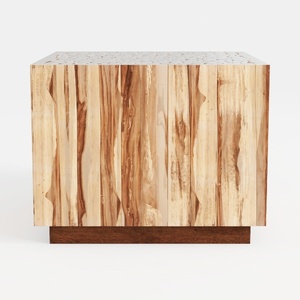
Minimalist Solid Wood Accent Cabinet with Textured Top 3D Model

Minimalist Neutral Fabric Irregular Coffee Table 3D Model
Homestyler is your go-to online home design platform, perfect for both novices and seasoned designers. With its user-friendly design tool, stunning 3D renderings, extensive design projects, and insightful video tutorials, you can effortlessly transform your home and unleash your creativity!
تصميم الآن مجانا
































