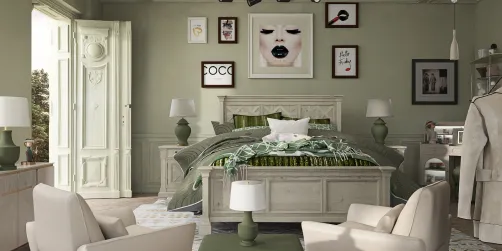
Once, I painted the living room of a client, only to discover two days later that I had overlooked a grease ring above the stove. This rookie mistake taught me the importance of ensuring a clean environment before diving into painting. As I worked to make amends, I revisited my project gallery to visualize how effective cleaning can enhance the final outcome. When dealing with compact areas, discipline is essential, and thorough cleaning can save both time and money in the long run.
1. First, dry dust and vacuum
I start each project with a soft-bristle broom, microfiber cloths, and a vacuum equipped with a brush attachment. This step removes cobwebs, dust, and loose debris, ensuring that subsequent cleaning efforts are effective. It’s both economical and quick, but neglecting the corners can lead to hidden dust that interferes with paint adherence.
2. Degrease heavily soiled regions
Kitchens and entryways frequently require a degreasing approach. I prefer using alternatives to trisodium phosphate (TSP) for contemporary paint, while applying a diluted TSP solution for greasy surfaces that are older—remember to wear gloves and rinse thoroughly. The benefit: the new paint adheres firmly; the drawback: it requires extra effort and careful residue neutralization.
3. Use mild soap or all-purpose cleaners on general walls
For minor grime, I mix dish soap with warm water and scrub the surfaces with a sponge in an up-and-down motion, rinsing afterward with clean water. This method is effective, budget-friendly, and ideal for rental turnovers. If you're considering a significant change or renovation, creating a detailed floor plan, combined with a thorough cleanup, can help coordinate with other trades, minimizing the chance of damaging freshly cleaned walls in the future.
4. Treat mold and mildew with care
For small patches of mildew, you can clean them with a solution of 1 part bleach to 3 parts water or opt for white vinegar for a more eco-friendly choice; ensure proper ventilation and test a hidden area beforehand. For extensive mold, I strongly advise consulting a professional—painting over existing mold is a false economy that can lead to greater costs later.
5. Patch, sand, and do a final wipe before applying primer
After cleaning, I fill in holes with spackle and smooth everything out using sandpaper with a grit of 120–220. Following that, I utilize a tack cloth or a damp microfiber cloth for the last wipe. This attention to detail ensures that a clean, smooth surface results in less need for primer, fewer touch-ups, and a high-quality finish, even when on a tight budget. When prepping a kitchen wall, it's beneficial to integrate this step with your kitchen layout guidance to prevent scuffs from cabinets or appliances on the freshly painted wall.
FAQ
Absolutely—even if the walls appear clean. Dust, grease, and mildew can compromise adhesion, resulting in uneven sheen or peeling. A simple wipe can significantly impact whether the finish lasts or fails prematurely.
For most latex paints, a solution of mild dish soap and water is effective. For stubborn stains, consider a commercial all-purpose cleaner or a TSP alternative, conducting a small patch test first to avoid damaging the existing finish.
Utilize a robust degreaser or a TSP solution—scrub gently, and be sure to rinse thoroughly. Any grease left under the paint will lead to blotchy results and tracking issues.
Vinegar can eliminate certain mold types and is a safer option for minor infestations, but bleach is more effective on porous surfaces. For significant mold issues, it’s best to seek the assistance of a mold remediation expert.
Yes, sanding is crucial as it smooths out repaired areas and assists primer adherence. Always ensure that any sanding dust is eliminated with a tack cloth or vacuum prior to priming.
For water, smoke, or grease stains, a stain-blocking primer is recommended. These primers seal contaminants and prevent bleed-through, saving you from having to repaint later.
Plan for extensive work (like cabinet installation or hardware fitting) to occur before painting, and cover cleaned walls with temporary sheeting. I learned this the hard way when electricians leaned ladders against my freshly painted trims.
For manufacturer-recommended cleaning and preparation steps, check with paint suppliers like Sherwin-Williams; their how-to guides provide detailed and practical advice (see: https://www.sherwin-williams.com/). Incorporating tools like Homestyler can also greatly assist in visualizing your projects.
Homestyler is your go-to online platform for home design! With its user-friendly design tool, stunning 3D renderings, and a wealth of DIY video tutorials, you can effortlessly create and visualize your dream spaces. Transform your home with ease and inspiration today!