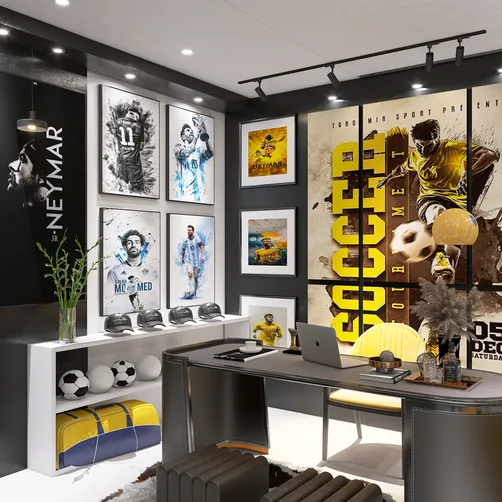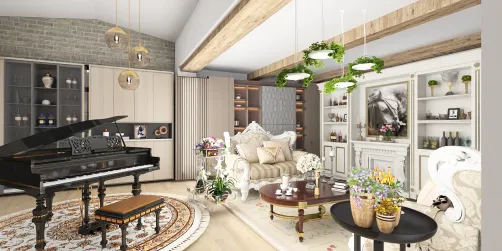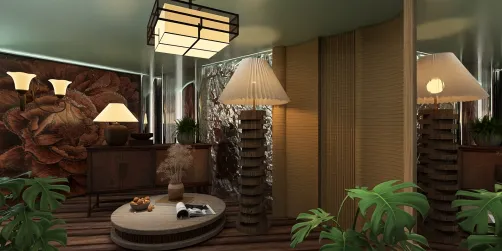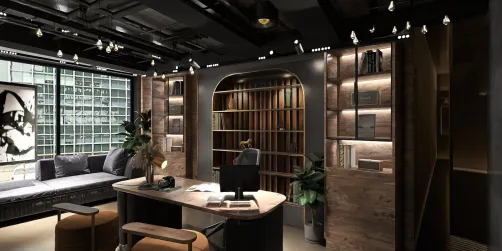
Creating an effective mini conference hall requires a thorough understanding of both its functional and aesthetic aspects, particularly in a compact environment. A thoughtfully designed mini conference hall can promote efficient meetings, workshops, and presentations while ensuring both comfort and style. Below are ten essential strategies to assist you in crafting an impactful mini conference hall using tools like Homestyler.
1. Enhance Layout for Flow
The layout plays a vital role in a mini conference hall. Choose an open floor design that enables easy movement and interaction. Consider employing modular furniture that can adapt according to the type of event, be it a workshop or a presentation. This adaptability helps in optimizing the use of space effectively.
2. Select Versatile Furniture
In a limited space such as a mini conference hall, each piece of furniture should fulfill multiple functions. Seek out stackable chairs and foldable tables to facilitate clearing the area when needed, thus providing ample space for networking or breakout sessions.
3. Optimize Technology Integration
Ensure that your mini conference hall is equipped with cutting-edge technology. This includes audiovisual systems, smart boards, and high-speed internet connection. Seamless integration of technology into the design will bolster presentations and foster enhanced communication among participants.
4. Enhance Natural Light
Natural light can create a sense of openness in the space and make it feel more welcoming. Incorporate large windows or skylights to usher in daylight, and contemplate the use of glass partitions. Be cautious of glare on screens, utilizing adjustable blinds or shades to manage lighting effectively.
5. Prioritize Acoustic Solutions
Sound quality is paramount in any conference setting. Implement acoustic panels or sound-absorbing materials to reduce noise and echo. This ensures that discussions are clearly audible, thereby enriching the overall experience for all attendees.
6. Include Branding Elements
Make your mini conference hall embody your organization’s identity. Utilize branding elements such as color palettes, logos, and artwork to craft a consistent theme. This not only elevates the aesthetic but also instills a sense of belonging for your attendees.
7. Ensure Accessibility
Make certain that your mini conference hall is accessible to all guests. This includes providing wheelchair access and planning seating arrangements that accommodate diverse needs. Accessibility must be a primary concern in any design.
8. Design Breakout Areas
Even within a mini conference hall, creating breakout areas for small group discussions is crucial. Use dividers or movable partitions to establish semi-private zones for brainstorming sessions or casual conversations.
9. Choose Color and Decor Thoughtfully
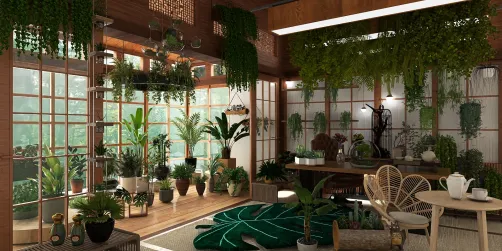
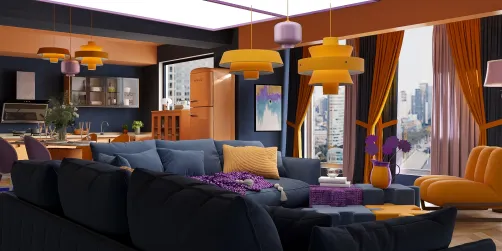
Colors greatly affect the ambiance of a space. Opt for soothing, neutral tones that encourage focus and creativity. Incorporate decorative touches like plants or art pieces to craft an inviting atmosphere, while avoiding a cluttered look.
10. Implement Ample Storage Solutions
Storage often gets neglected in smaller environments. Integrate built-in cabinets or shelves to maintain organization and reduce clutter. This will help uphold a professional appearance, enabling attendees to concentrate on discussions better.
FAQ
Q: What is the ideal capacity for a mini conference hall? A: A mini conference hall typically accommodates 20-50 individuals, depending on the layout and choice of furniture.
Q: How can I create the illusion of a larger conference room? A: Utilize light colors, mirrors, and ensure sufficient natural light to enhance the perception of space.
Q: What essential technologies should a mini conference hall have? A: Essential technologies include a projector, screen, sound system, and dependable internet access.
Welcome to the premier Home Design Software, including tools like Homestyler that can help elevate your design plans.