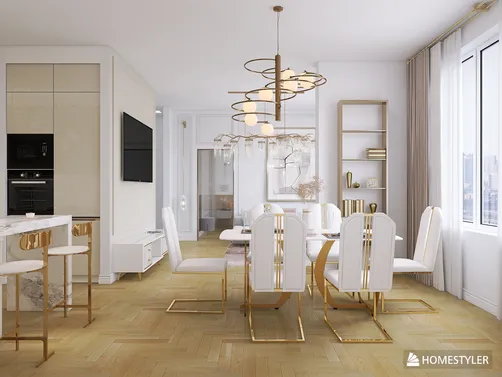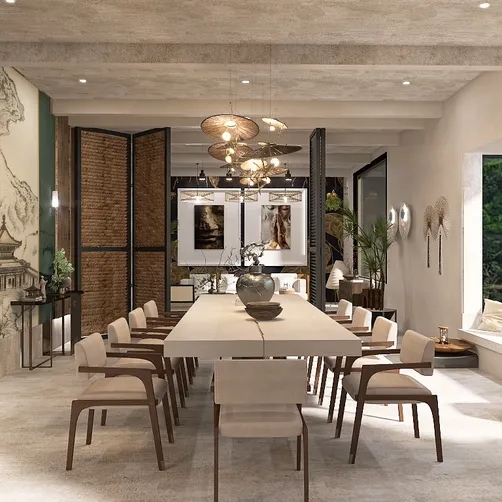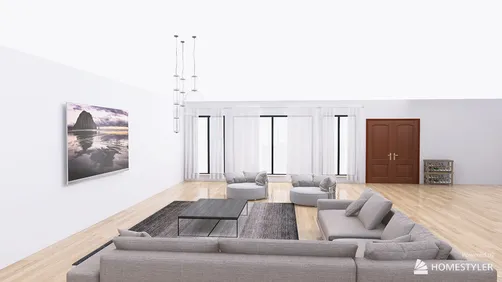
I once took it upon myself to sand down an entire guest room using 80-grit sandpaper, as if I were on a mission—only to later realize that I had created low spots around the taped joints. It's amusing now, but it was a tough lesson about the importance of selecting the right grit rather than just relying on hard work. When working in small rooms, the minor adjustments can have a significant impact, often igniting a burst of creativity. That’s why I’m eager to share some straightforward, dependable sanding guidelines that I consistently apply to each task. To ensure a repainting project complements the area, I frequently explore various room layout examples to get a better understanding of movement and light before finalizing my finish choices.
1. Align the grit type with wall conditions
If your wall has layers of old, peeling paint or you're dealing with drips and bumps, it's best to start with 60–80 grit to swiftly navigate through stubborn materials. For general smoothing of uneven spots or paint edges, I recommend utilizing 80–120 grit; it effectively smooths surfaces without causing gouges. The advantage here is efficiency, but keep in mind the downside: increased dust and the potential for over-sanding—always test a small section first.
save pin
2. Medium-fine grit for drywall seams and spackle
When it comes to taped seams and newly applied joint compound, 120–150 grit is typically my choice. It effectively smooths irregularities while providing a surface that primer and paint can adhere to without revealing scratches. This grit is forgiving, easy to handle with a sanding block, and reduces the swirl marks that often come from coarser sandpapers.
save pin
3. Utilize fine grit between coats and for final scuffing
For the process between primer and paint or between different coats of paint, I rely on 220 grit—it’s sufficient to eliminate any nibs while offering a texture for the next layer to grip. For achieving ultra-smooth finishes on trim or cabinetry, I may elevate my grit choice to 320–400. If you’re orchestrating a larger repaint or renovation, coordinating these sanding procedures alongside detailed floor plans can help prioritize which areas to prepare first.
save pin
4. Tools, dust management, and practical shortcuts
Employing a sanding sponge and a sanding block helps ensure consistent pressure; for ceilings, a pole sander is effective, and pairing a random-orbit sander with a vacuum attachment will significantly reduce dust. While wet sanding with fine grits can be advantageous for glossy surfaces, it is not suitable for drywall. Before activating an electric sander, I often create a quick 3D model using Homestyler to preview finishes and identify potential problems early in the process.
save pin
5. Budget-friendly packs and a straightforward checklist
Most professionals carry basic packs consisting of 80, 120, and 220 grit sandpapers to cover their needs without overspending. A quick checklist to follow includes: checking for lead paint, patching and allowing time to dry, starting coarse only where necessary, smoothing with 120–150 grit, and finishing up with 220. If you ever feel uncertain or if the house is older, don’t hesitate to hire a professional for the prep work; I’ve helped homeowners save money by uncovering hidden issues early on.
save pin
FAQ
Q1: What grit sandpaper is ideal for drywall prior to painting?
I generally use 120–150 grit for drywall joints and patched areas; it smooths the surface without leaving deep scratches, preparing it for primer effectively.
Q2: Is 220 grit suitable for sanding an entire wall?
While 220 grit is excellent for scuffing between coats and final polishing, it won’t effectively remove heavy textures or old paint—start with a coarser grit where necessary, then finish with 220.
Q3: Can I bypass sanding and directly apply primer?
If the wall surface is exceptionally smooth with well-adhered paint, scuff-sanding may suffice. However, for patched areas or glossy paint, sanding is crucial to achieving proper adhesion and a flawless finish.
Q4: What grit should be used for paint removal?
When stripping away old, thick layers of paint, start with 60–80 grit to remove material rapidly, then transition to 120–150 grit to blend and smooth the area.
Q5: How can I manage sanding dust effectively?
To control sanding dust, utilize a sander with a vacuum attachment, wear an N95 mask or better, and protect your furniture. In homes built during the lead-paint era, strict containment measures should be observed—don’t rely solely on a dustpan.
Q6: Is wet sanding an option for drywall?
Wet sanding is not advisable for drywall due to the absorption of moisture by both the paper and the gypsum; rely on dry sanding practices with proper dust management instead.
Q7: Is it necessary to seek professional assistance for lead paint?
Absolutely. Adhere to EPA guidelines—check the EPA's Renovation, Repair and Painting (RRP) Rule at https://www.epa.gov/lead for necessary requirements and safety measures when renovating properties built before 1978.
Q8: Which sandpaper is most suitable for plaster walls?
For traditional plaster, I recommend using 120–150 grit for smoothing and 220 for the finishing scuff; avoid overly aggressive grits that may pull away the plaster and create hollow spots.
save pin
Discover the magic of home design with Homestyler! This user-friendly platform offers an intuitive online design tool, stunning 3D renderings, and a wealth of inspiring design projects and video tutorials. Transform your space effortlessly, regardless of your experience level!