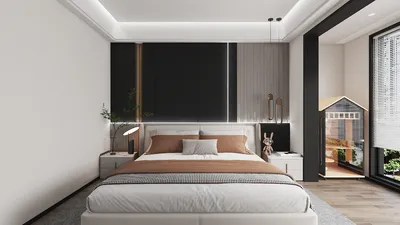


I once mistakenly installed a glossy cabinet door upside down while distracted by texting my supplier. The client found it amusing, and I took away a valuable lesson: minor errors in office cabinetry can lead to the greatest insights. If you're interested in the layout I used for that project, you can check it out. In fact, working within small spaces often inspires my most creative ideas. Here are five essential office cabinetry tips that I will always recommend, and with the help of tools like Homestyler, visualizing your designs has never been easier.
1. Built-in desk wall with diversified storage
I favor a continuous stretch of cabinetry that harmonizes closed cupboards, open shelves, and a recessed desk area. This approach creates a cohesive look, concealing wires while providing display opportunities where necessary. The only downside is the price—full-height built-ins can be expensive—but they save valuable time by keeping essential items close at hand.
save pin
2. Floating cabinets for open floor space
Floating wall cabinets are my preferred choice when it's essential to maintain an airy feel in a room. Installing them slightly above knee height allows for toe space for chairs and makes it easier to vacuum underneath. The trick lies in securing them correctly to the wall; I always locate studs or utilize professional-grade anchors to prevent sagging.
save pin
3. Modular units for adaptability
Modular cabinetry, consisting of stackable boxes, drawers, and tall cabinets, allows for flexibility as your needs evolve—ideal for startups or home offices. I once put together a model for a client and we rearranged components twice within the year without any demolition. If you enjoy experimenting with your setup, this option is perfect, although it might not achieve that seamless built-in aesthetic.
save pin
4. Integrated filing and tech areas
Consider adding pull-out filing drawers, a shallow mail sorter, and a designated tech drawer with ventilation. I typically incorporate a small cable hatch behind the main drawer to prevent chargers from cluttering the desk. Integrating good airflow and ventilation is a minor effort that pays off, especially for tech-heavy environments.
save pin
5. Pocket doors and concealed meeting counters
For spaces that double as a meeting area, I design cabinet fronts that either slide or fold away to unveil a pull-out counter. In one apartment office, I created a hidden counter within a bookcase that transformed into an informal meeting bar—guests were thrilled by the surprise. This option requires some additional hardware planning, but the combination of visual appeal and practicality is unbeatable. For accurate design previews, I occasionally use realistic 3D walkthroughs through tools like Homestyler to examine clearances and sightlines.
save pin
Tips 1:
Always consider different budget options: stock modules can be budget-friendly, while semi-custom provides a good balance, and fully custom may give you the perfect fit. Be sure to mock up critical heights with cardboard to avoid future disappointments.
save pin
FAQ
Q1: What materials are best for office cabinetry?
A: I generally recommend lacquered MDF for a sleek appearance or veneered plywood for a mix of warmth and durability. Laminate is a budget-friendly option that's quite durable for high-traffic areas.
Q2: What heights should my desk and cabinetry counters be?
A: The standard desk height falls between 28 and 30 inches (71-76 cm). For cabinetry counters designed for standing, aim for 40 to 42 inches (102-107 cm); testing with a sample beforehand is advisable.
Q3: How do I handle cables within cabinetry?
A: Incorporate cable hatches at the back of drawers and consider adding a ventilated tech shelf. I also install a small removable panel for power strips to keep everything accessible and tidy.
Q4: Can I attach cabinetry to a plasterboard wall?
A: Yes, but it’s crucial to anchor into studs or utilize rated hollow-wall anchors to support the load. For heavy full-height installations, I suggest reinforcing with plywood backed to the studs.
Q5: What’s an economical way to achieve a custom look?
A: Combine stock cabinet boxes with custom-faced doors and panels. This hybrid method can help reduce overall costs while providing the tailored aesthetics where it matters most.
Q6: How should I prioritize ergonomic planning?
A: Make sure your keyboard height is comfortable and allow for a desk area depth of at least 24 inches (60 cm). For specific ergonomic guidelines, consult OSHA's resources to align your design with best practices.
Q7: Are there fire safety issues related to office cabinetry?
A: It’s best to keep flammable items away from heat sources and avoid enclosing electrical panels in standard storage. When stowing electronics or batteries, ensure proper ventilation and compliance with local codes.
Q8: How durable is high-quality office cabinetry?
A: Quality cabinetry can last for decades; the materials and craftsmanship significantly impact longevity. Expect around 10 to 20 years from standard plywood constructions and even longer from solid wood or high-end custom designs, especially if cared for properly.
save pin
Discover the magic of home design with Homestyler! This user-friendly platform features a powerful online design tool, stunning 3D renderings, and a wealth of DIY video tutorials. Perfect for anyone looking to transform their space, Homestyler makes home design accessible and inspiring!
Дизайн сейчас бесплатно
































