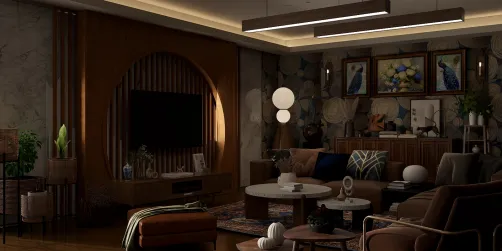
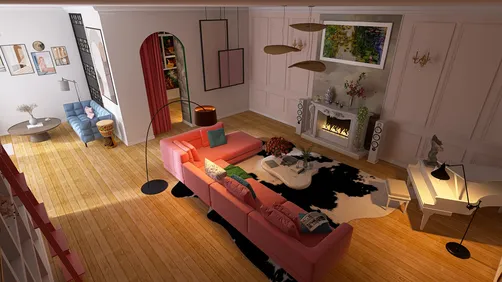
When seeking a rental room in Paschim Vihar, it’s crucial to consider more than just the price and size. Personally, I prioritize access to natural light, sound insulation, walkability of the neighborhood, and a layout that complements my daily activities. Research indicates that thoughtfully designed spaces positively enhance comfort and productivity, with WELL v2 emphasizing the importance of daylight and air quality for overall well-being. Gensler’s studies also reveal that individuals who enjoy diverse work environments report more positive experiences. These insights are relevant even for compact living quarters, where comfort and personal control are paramount.
In densely populated areas like West Delhi, I adhere to two main criteria during my search. The first is lighting quality: the Illuminating Engineering Society suggests a target of 300-500 lux for effective reading and office work, assisting me in assessing whether a room’s window orientation and lighting fixtures meet my needs or if I will require additional lighting sources. The second criterion is ergonomics: research from Steelcase demonstrates that having varied posture and appropriately sized furniture can alleviate musculoskeletal discomfort, especially for those who work or study in their rooms. I utilize these references to ground my decisions and remain focused on functionality rather than being led by aesthetics alone.
Explore the Micro-Locales of Paschim Vihar
Paschim Vihar encompasses several distinct areas, each with its unique atmosphere. Locations adjacent to major roads like Outer Ring Road offer quicker access to transit and shopping but come with elevated noise levels. Conversely, inner blocks and DDA clusters generally provide a quieter environment, often benefiting from more reliable power supplied by RWA-managed systems. Rooms facing west receive harsher afternoon sunlight, which can be advantageous in winter but demanding in the height of summer, while those oriented north or east tend to have softer, steadier daylight. For late-night study sessions, it’s beneficial to be near round-the-clock amenities around district centers, but if you’re noise-sensitive, look for units positioned away from busy streets and elevator lobbies.
Understanding the Budget and Actual Costs of Living
Beyond just the monthly rent, it's essential to consider expenses such as maintenance, RWA fees, internet charges, and utility costs including electricity (whether metered or shared) and seasonal cooling needs. While desert coolers are common, if you require an air conditioner, confirm the meter allocation and the stability of the voltage supply. It’s smart to inquire about water supply schedules and any delivery fees in the summer months. I typically include a 10-15% contingency for utility expenses to prevent unexpected bills and discuss cleaning arrangements if the living situation involves shared spaces.
Room Layout: Design Before You Decide
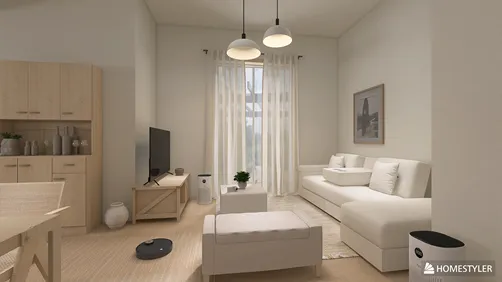
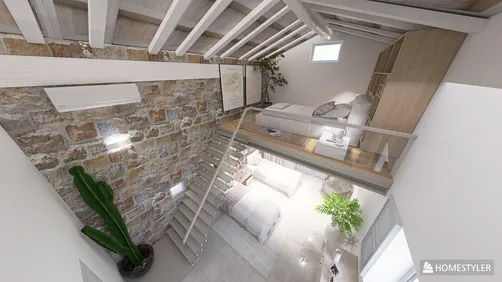
Carry a tape measure to assess the space accurately: account for door swings, bed sizes, wardrobe clearance, and a circulation path of approximately 900-1000 mm for easy movement. If you anticipate needing a desk, allow for a surface of at least 1200 mm in width, a space for chair movement (around 900 mm), and consider glare from windows. To facilitate planning, using an interior layout planner such as Homestyler can help you visualize furniture placement and ensure that natural light won’t create screen glare during peak hours. This tool is invaluable in simulating various arrangements before you commit to the rental.
Lighting, Color, and Acoustic Serenity
While daylight can be invigorating, having control over it is essential. I prefer a layered lighting approach: an ambient ceiling light, a task lamp producing 300-500 lux at 3000-4000K for reading, and a low-glare light by the bedside. Utilizing blackout curtains on street-facing windows minimizes disturbances from headlights and noise. For color, I find that softer neutrals paired with a bold accent wall can enhance mood and perceived brightness; studies in color psychology suggest that shades of blue and green promote calmness, while warm neutrals create a welcoming atmosphere. Keeping acoustics in check is important as well—incorporating soft furnishings like rugs, curtains, and upholstered elements can help manage sound. If the room is street-facing, ensure that windows are well-sealed and consider door sweeps for additional soundproofing.
Selecting Furniture and Ergonomics for Compact Living
Opt for appropriately scaled furniture. A full-size bed with under-bed storage eliminates the necessity for extra chests of drawers. Select a desk chair that features adjustable height and lumbar support to protect your back during lengthy study sessions. Maintain the desk depth between 600-750 mm for optimal monitor distance, ensuring that the desk height aligns with your elbows when seated. If ceiling height permits, consider overhead storage above the wardrobe to avoid cluttering the floor with cabinets. Position the desk perpendicular to windows to mitigate direct glare.
Strategies for Storage and Visual Harmony
Clutter can severely impact small spaces. I adhere to a 60/40 storage rule: 60% hidden storage to conceal everyday items, and 40% open space for books and decorative elements for a personal touch. Strive for visual consistency—align shelf heights and maintain 20-30 mm gaps between items for a streamlined look. A large mirror can create the illusion of more space and reflect light deeper into the room. Opt for matte finishes to minimize glare and smudges, particularly on storage units.
Ventilation, Air Quality, and Seasonal Comfort
Good ventilation is a luxury; in rooms with only one window, consider installing a window fan or ensure that there are trickle vents. While houseplants cannot replace adequate ventilation, they can enhance the acoustic environment and make the air feel fresher. In the sweltering summer months in Delhi, emphasizing shading over aggressive cooling techniques is key; external blinds or thick curtains significantly reduce solar heat. Additionally, confirm that the electrical circuit can handle an air conditioner without tripping frequently, and clarify any timing limitations with the landlord.
Living Communally: Etiquette and Boundaries
In shared accommodations, be sure to discuss guest policies, kitchen hours, refrigerator space, and cleaning duties. I prefer to establish clear quiet hours, along with a posted roster of responsibilities. Pay attention to the flow of movement from the entryway to communal areas. Narrow pathways can lead to tensions, so ensure that storage areas are clearly labeled, and agree on shared essentials like detergent to avoid minor disputes.
Safety, Lease Terms, and Warning Signs
Ensure robust security features are in place, such as functional deadbolts and appropriate window grills. Document meter readings upon moving in. The lease should clearly outline the notice period, details on deposit return, responsibilities for repainting, and rules about subletting. Be cautious of warning signs such as persistent damp spots covered up by fresh paint, overloaded wiring concealed by cheap extension cords, noise from nearby generator rooms, or unclear statements regarding bill adjustments.
Checklist for Viewing Prospective Rooms
- Measure the length of the bed wall and the clearance required for door swings.
- Check natural light availability at your usual study or work time.
- Test mobile reception and Wi-Fi speed within the room.
- Open and close all windows to verify seals and latches are intact.
- Listen for traffic or mechanical noise while the window is closed.
- Count the number of power outlets; check for grounding pins and placement.
- Inspect for dampness around skirtings, corners, and behind furniture.
- Ensure the bathroom has effective exhausts and reliable hot water.
- Go through the lease clauses on deposits, notice periods, and responsibilities thoroughly.
Speedy Shortlisting Strategies
- Use filters to sort listings by window orientation, floor numbers, and sizes.
- Request a brief video tour during peak noise periods for context.
- Obtain a measured floor plan or provide your own drawing to confirm dimensions.
- Utilize a room layout simulation tool, like Homestyler, to check furniture compatibility before visits.
- Bring a light meter app to evaluate desk lux levels during your viewing.
Local Amenities and Lifestyle Considerations
Strive for a balance between convenience and tranquility. If fitness is a priority, look for locations near gyms or community centers; if you enjoy running, find areas near parks or safe paths for evening jogging. While vibrant street food areas can be exciting, they might introduce noise that disrupts sleep; if you’re easily disturbed, consider moving back a block. Assess your commute timing during actual departure hours rather than during quieter weekends.
Eco-Friendly Choices with Low Maintenance
Select LED lighting options with a CRI of 90+ for superior color showcasing, along with easily washable paint finishes (eggshell or satin) to contend with Delhi's dust. An efficient HEPA air purifier is beneficial on days with poor air quality, particularly for allergy sufferers. For textiles such as linens and carpets, choose materials that can withstand frequent laundering—practicality is essential in a rental environment.
Creating an Illusion of Space in Small Rooms
Ensure clear sightlines from the entrance: utilize lower storage solutions near the door and position larger pieces of furniture on the far wall. Elevate the bed slightly off the ground by 50-80 mm with a shadow gap or slender legs to enhance the room's visual lightness. Employ two or three consistent materials rather than many varied finishes to create visual harmony, which tends to make the space appear larger. Using warm lighting at 3000-3500K helps foster a peaceful ambiance in the evening.
Negotiation Tips for Renting
Come prepared with relevant data: current comparable rents, anticipated utility costs, and a proposed split for maintenance expenses. Consider offering a slightly lengthened notice period in exchange for a modest rent reduction or negotiating small enhancements—such as blackout curtains or an improved desk chair—that can significantly elevate daily comfort beyond what a mere nominal discount can provide.
Frequently Asked Questions
Q1: How much daylight should I be aiming for at my study desk?
A1: Target a lighting level of 300-500 lux at your workspace, as suggested by IES task lighting guidelines. If natural light isn’t consistently adequate, consider adding an adjustable desk lamp.
Q2: Which direction—east, west, or north—is optimal for a rental room?
A2: East or north orientations are generally preferable for their softer and more consistent daylight with reduced afternoon heat gain. Conversely, west-facing rooms can be bright in winter but may become overly warm in summer without adequate shading.
Q3: What strategies can I use to minimize traffic noise in a street-facing room?
A3: Utilizing heavy curtains, sealing window gaps, applying door sweeps, and adding soft furnishings such as rugs and upholstered panels are all effective methods for dampening mid to high-frequency sounds.
Q4: What is the best furniture setup for a small room?
A4: Invest in a bed with under-bed storage, aim for a desk with a minimum width of 1200 mm, and incorporate wall-mounted shelves. Ensure at least 900-1000 mm of circulation space, positioning the desk perpendicularly to windows to control glare effectively.
Q5: What lease agreements should I pay special attention to in Paschim Vihar?
A5: Important aspects include a clear outline of the deposit amount and return schedule, required notice periods, maintenance responsibilities, subletting policies, and detailed rules regarding electricity metering and air conditioning usage.
Q6: What’s a quick way to assess air quality and ventilation?
A6: Test the functionality of windows, check for bath exhaust fans, and observe potential for cross-ventilation. In cases of single-aspect rooms, plan for either a window fan or a compact air purifier for days with poor air quality.
Q7: What color scheme is most suitable for rental properties?
A7: Soft neutral tones (such as warm whites and greige) with one calming accent (like muted blue or green) can help maintain high light levels while stabilizing mood, in line with common findings from color psychology.
Q8: Is an AC unit necessary, or will a cooler suffice?
A8: During the peak summer months in Delhi, an air conditioner greatly enhances sleep quality and regulates humidity. If opting for a cooler, combine it with effective shading and create drafts at night; confirm that the power supply can accommodate either option.
Q9: How do I ensure that my desk setup promotes good ergonomics?
A9: Set your desk at elbow height, ensuring the monitor’s top is at or slightly below eye level, and choose a chair with adjustable height and good lumbar support. Regularly changing your posture will also help prevent discomfort.
Q10: Is there a quick method to evaluate a listing remotely?
A10: Request a detailed sketch and a brief video showcasing the property during peak noise times, confirm the orientation of windows, and test your layout using room design visualization tools, like Homestyler, prior to any physical visit.

Homestyler is your go-to online platform for home design! With a user-friendly design tool, stunning 3D renderings, and inspiring DIY video tutorials, it empowers you to create beautiful spaces effortlessly. Bring your design dreams to life today with Homestyler!