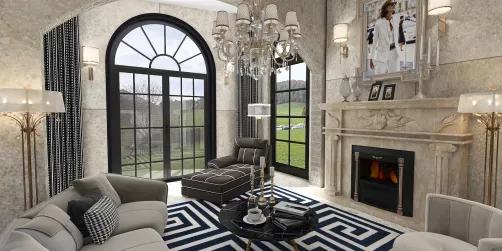
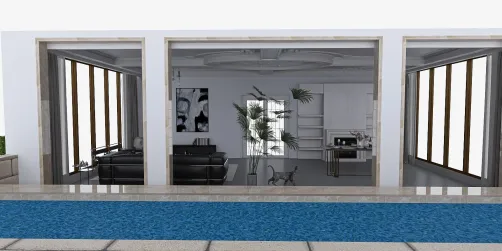
Creating a site plan render for housing projects is essential for visualizing how a residence integrates into its surroundings. An effectively crafted site plan offers insight into the layout, landscaping, and overall usability, ensuring that every aspect is in harmony with the environment. If you are planning to develop a site plan render, here are some key tips to assist you throughout the journey.
Fundamentals of Site Planning
A site plan serves as a comprehensive architectural depiction of a property, illustrating the arrangement of buildings, landscaping, and additional features. It provides a top-down view of how all elements interact, which is crucial for both planning and zoning considerations.
Essential Components of a Housing Site Plan Render
When developing a site plan render, keep these vital elements in mind:
Leveraging Technology for Superior Renders
Advancements in technology have revolutionized the creation of site plan renders. Tools like CAD software or Homestyler can significantly improve the detail and precision of your designs, allowing for an exceptional visualization experience.
Frequent Mistakes to Avoid
While designing your site plan render, be cautious of these common errors:
FAQs
Q: Which software is recommended for developing housing site plan renders? A: Notable software solutions include AutoCAD, SketchUp, and Homestyler, all of which offer robust tools for architectural design.
Q: How do I confirm that my site plan adheres to zoning regulations? A: It is important to research local zoning laws and, if necessary, consult with a planning expert to ensure that your design is compliant.
Q: What specific details should be included in my site plan for a housing development? A: Be sure to incorporate property boundaries, building layouts, landscaping details, access routes, and any pre-existing structures.
Discover the leading Home Design Software that tops the market.