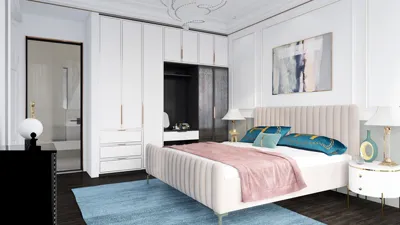
Nungambakkam stands as a vibrant hub where culture, business, and hospitality converge, making it one of the top choices for weddings, significant birthdays, corporate gatherings, and boutique launches in Chennai. In selecting a banquet hall in this area, I consider three critical factors: spatial flexibility, guest comfort, and the service ecosystem. Spatial flexibility includes aspects such as clear spans, load-in routes, and ceiling height. Guest comfort encompasses lighting, acoustics, and overall thermal comfort, while the service ecosystem involves parking, staging areas, and vendor access. Through my experience with project evaluations post-events, it's evident that venues balancing these elements ensure smoother experiences and higher guest satisfaction. Incorporating tools like Homestyler can further assist in visualizing layouts for these events.
The impact of environment on experience and performance is significant, as workplace and event research demonstrates. According to Steelcase, the design of an environment affects posture, movement, and social interactions, all of which are crucial for engagement and effective outcomes. Their studies on the connection between space and performance inform my decisions regarding seating and flow for networking-centric events. In terms of lighting design, I adhere to IES standards to establish target maintained illuminance—typically between 200 to 300 lux for dinner services and up to 500 lux for preparation and service areas. Additionally, I incorporate accent lighting to create focal points without causing glare, ensuring a pleasant atmosphere. For key aspects of guest comfort, including air quality, thermal regulation, and light integration, I consult WELL v2 concepts to maintain a comfortable environment throughout extended gatherings.
Key Elements of an Exceptional Banquet Hall in Nungambakkam
When evaluating banquet venues beyond just the location, the standout choices feature spacious rectangular clear-span halls—ideally, at least 10–12 ft to ceilings for decor setup. Moreover, back-of-house corridors facilitate caterer movement, while protected load-in routes and unobstructed sightlines enhance the overall experience. I look for facilities with a noise reduction coefficient (NRC) of 0.6 or greater in the ceilings or distributed soft treatments to minimize sound interference during speeches. Natural light can be beneficial for daytime events, provided window coverings effectively manage glare and the heat of late afternoons. Additionally, a versatile dimming system with warm lighting at 2700–3000K creates a flattering dining experience, whereas neutral whites at 3500–4000K are ideal for award ceremonies or presentations.
Category Overview: Event Space Archetypes in Nungambakkam
Instead of ranking venues by names, I categorize banquet halls into four archetypes based on specific event aspirations:
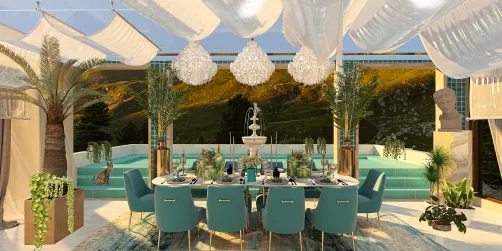
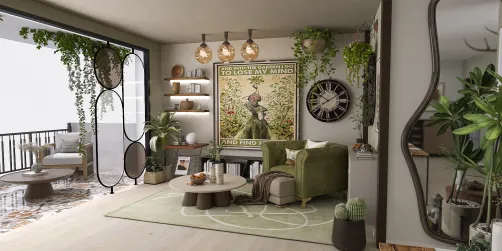
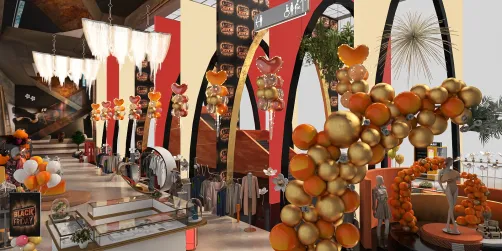
Ideal for: weddings, large sangeets, and product reveals. Look for venues with high ceilings, adequate rigging points, and spacious foyers. Halls should feature a minimum of 6–8 m clear span and scalable dimming options. It’s beneficial to ask about their draping options to manage acoustics effectively. For gatherings of 250–400 attendees, plan for approximately 8–10 sq ft per seated guest, alongside 25–30% additional space for circulation and staging.
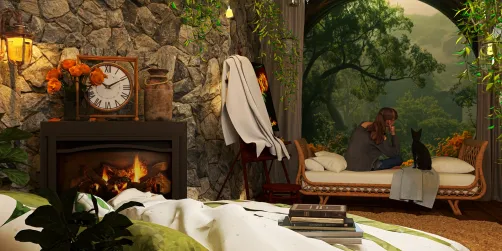
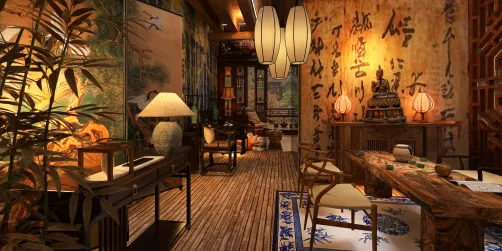
Designed for: intimate receptions, brand launches, and sit-down dinners for fewer than 150 guests. The attraction lies in the texture and character of the space—think plaster, stone, and wood finishes. Confirm the HVAC zoning to prevent heating issues as the dance floor gets crowded. Historic venues may also require mobile acoustic panels and careful placement of subwoofers to protect the aesthetics of the space and ensure neighborly peace.
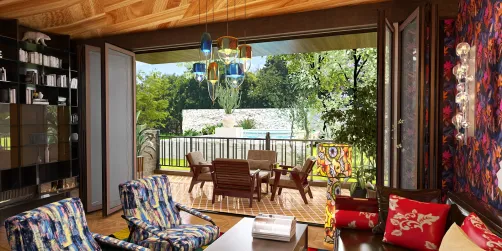
Perfect for: cocktail hours and sunset ceremonies. However, be mindful of constraints like wind loading and generator noise. Ensure to reserve wind-rated florals, secure decor, and use finely tuned line-array speakers to reduce noise spill. Lighting should remain warm in the range of 2700–3000K for flattering skin tones during evening events, particularly near bar areas where task lighting should be between 300–500 lux.
Suitable for: corporate town halls and training sessions combined with receptions. Facilities in this category often come with integrated AV support, options for partitioning, and disciplined back-of-house logistics. Verify reverb time targets to remain under 0.8–1.0 seconds for improved speech clarity with audiences of about 300, and test the in-house microphone systems as well. If partitions are employed, ensure sound isolation for privacy during simultaneous sessions.
Understanding Capacity, Flow, and Layout Fundamentals
When discussing capacity, it’s essential to think beyond simple headcounts; it’s about choreography. For banquet rounds of 8–10, I recommend tables with a diameter of 5–5.5 ft and maintaining 1.2–1.5 m aisles for efficient service. In planning for a dance floor, expect to allocate 3–4 sq ft per dancer (considering about 30–40% of attendees might be dancing at peak times). For buffet service lines, aim for one station per 75–100 guests while providing sufficient queuing space of 1.5–2 m; ensuring cross-ventilation near food areas is crucial for comfort. While arranging for sightlines around a stage, maintain an angle no greater than 30–35 degrees off-center for optimal viewing from the last row.
To visualize seating arrangements, bar setups, and stage lines for clients, I frequently use a room layout tool, like Homestyler, which allows me to swiftly switch between organic banquet rounds, cabaret seating, and cocktail configurations. This tool is invaluable for accommodating changes in guest count and ensuring compliance with fire egress requirements.
Creating Lighting and Color For Stunning Photography
The role of photography in events cannot be overlooked. I establish three layers of lighting: ambient (wide beam with high CRI targeting 200-300 lux), accent (pin spots highlighting centerpieces), and practicals (incorporating candles and table lamps for warmth). It's essential to ensure that the color temperature remains consistent to avoid unflattering skin tones in photographs. Regarding color schemes, studies in color psychology indicate that warm neutrals and muted jewel tones enhance comfort and sociability, whereas vibrant colors are best used for accentuating focal points. For speeches and ceremonies, I advocate for a shift to neutral white lighting set at 3500K to enhance video quality, then transitioning back to warm tones between 2700-3000K during the dining phase.
Managing Acoustics and Music Effectively
Quality audio playback is pivotal for creating lasting impressions. Therefore, I deploy distributed speaker systems at moderate sound levels rather than relying on a loud central unit. If there's a concern regarding low-frequency buildup, I recommend using cardioid sub arrays. Where financially feasible, integrating soft finishes—like tablecloths, drapes, acoustic panels, and greenery—can enhance sound absorption. Positioning DJs or bands slightly away from main entrances helps in minimizing abrupt sound exposure upon guests' arrival. For addressing audience needs during speeches, handheld or headworn microphones are preferable over traditional lectern options, especially in lively environments.
Streamlining Food, Beverage, and Service Logistics
The behind-the-scenes operations primarily govern guest satisfaction. Ensure there’s a dedicated service corridor and landing zone near the kitchen area to prevent disruption from service carts moving through guests. Staggering meal courses with scheduled entertainment events can also enhance experiences. A strategically placed satellite bar near the dance floor minimizes congestion, while providing coffee and tea stations adjacent to exits can prevent crowding around dining tables post-meal service.
Focusing on Sustainability and Material Choices
For decoration, prioritize reusable fabric drapes, modular staging, and LED fixtures designed with dimming capabilities to create the right mood while conserving energy. Whenever feasible, opt for FSC-certified timber props and collaborate with florists who are committed to reclaiming floral arrangements. Choosing linens with higher GSM counts can reduce wrinkles and the need for frequent laundering. In case temporary carpets are utilized, it's recommended to select low-VOC options and implement a clean adhesive removal strategy to maintain the underlying floor’s condition.
Ensuring Guest Comfort Through a WELL-Centric Approach
Extended events can be taxing on guest comfort levels. I align air velocity management to maintain a consistent perceived temperature as attendees arrive. Implementing CO2 monitoring aids in ensuring a fresh air supply is upheld, particularly during peak times. Providing a small, quiet retreat for elders, nursing mothers, or moments of prayer enhances the overall experience. When abundant daylight exists, implementing shading solutions can help combat late-afternoon glare on stage areas. Adhering to ADA regulations is crucial; maintain clear routes of at least 900 mm and ensure step-free access to premium seating and restroom facilities.
Essential Checks When Booking in Nungambakkam
Establishing a timeline and budget parameters is critical.
For high-demand dates, such as peak wedding seasons and festivals, it’s best to secure your venue 6 to 10 months in advance. First, confirm the venue, followed by lighting and sound arrangements, then decor that can scale according to your confirmed guest dimensions. It’s wise to allocate a 10 to 15% contingency budget for audio-visual needs, as common overspending occurs due to last-minute demands for stage adjustments and extra audio monitoring equipment. For corporate events, budget considerations should include content support, such as confidence monitors, proper lecterns, and rehearsal time with the AV team.
Frequently Asked Questions
When accommodating seated dining using rounds, plan for 8–10 sq ft per guest along with an additional 25–30% to account for aisles, stages, buffet areas, and decorations.
Aim for 200–300 lux of ambient light during dining and utilize a color temperature of 3500–4000K for speeches or presentations, in line with the IES standards that I refer to for maintaining comfortable visibility.
For optimal audio quality, use distributed speaker placements, enhance sound absorption with soft finishes like drapes and table linens, and strive for an NRC of around 0.6 in ceilings when feasible. Positioning bands away from entry points and considering cardioid sub designs may also mitigate excess bass sound.
A single buffet station serves approximately 75–100 guests effectively, with at least 1.5–2 m allocated for queuing and ensuring circulation that facilitates two-way movement around the station.
Utilize warm whites within a range of 2700–3000K to complement skin tones. For toasts and awards, adjust to 3500K for clarity and then revert to warm lighting for dining and dancing experiences.
Column-free spaces markedly simplify stage placement, sightlines, and camera angles. In cases where columns exist, designing seating clusters that maintain clear views while avoiding obstruction of VIPs is essential.
For peak event seasons, a lead time of 6 to 10 months is advisable. For corporate gatherings during weekdays, a notification period of 2 to 4 months is often appropriate, but earlier arrangements for AV-heavy events allow access to preferred service providers.
Ensure step-free access entries, maintain a clear route width of 900 mm, provide accessible restrooms near main areas, and reserve seating for companions. Plan for wheelchair-friendly pathways leading to the stage, especially during award presentations.
Utilize a layout visualization tool like Homestyler to experiment with banquet, cabaret, and cocktail arrangements at actual dimensions. This facilitates checking egress points and planning bar and stage locations effectively before facility site visits.
Yes—apply WELL v2 principles including efficient ventilation, ongoing CO2 level assessments during peak attendance, glare control, and accessible pathways to keep guests comfortable for the entire duration of the event.
Aim for a reverberation time close to 0.8–1.0 seconds to enhance speech clarity for audiences under around 300. Consider adding more sound-absorbing materials if your venue is particularly reflective in nature.
Take into account potential wind factors and secure equipment anchoring; ensure generators or HVAC units do not produce noise disturbances in seating areas, while providing warm task lighting in bar zones to ensure safety and an inviting atmosphere.


Homestyler is your go-to online home design platform! Its user-friendly design tool allows you to create stunning spaces, while impressive 3D rendering brings your ideas to life. Explore countless design projects and boost your skills with engaging DIY video tutorials. Transform your home effortlessly!