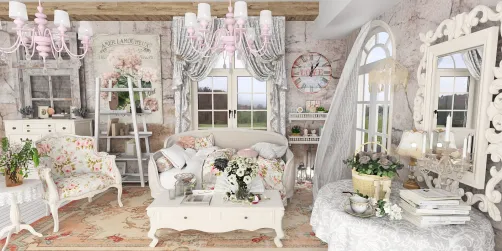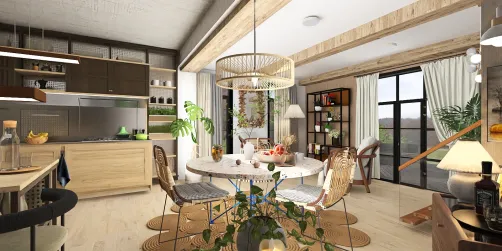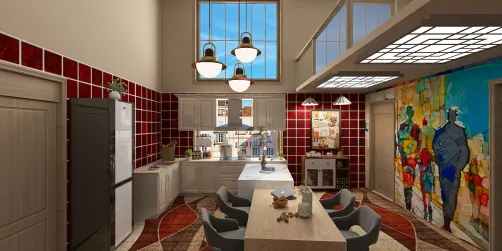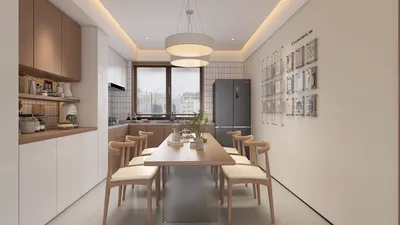
In a previous project, I constructed a cabinet so tightly that my client humorously remarked it could serve as a prison cell for plates. This taught me an invaluable lesson: always take the time to measure twice, cut once, and visualize the overall workflow beforehand. Now, to steer clear of such mishaps, I start each DIY cabinet project with a meticulously drawn cabinet layout. This small practice has saved me both time and plenty of frustration.
When working in small spaces, creativity can flourish. In this article, I’ll be sharing five DIY cabinet-making plans and inspirations that I frequently utilize in my work. These approaches are practical and budget-friendly, complete with tool tips and realistic considerations drawn from my own studio experience.
1. Modular Box Cabinets (Flat-Pack Compatible)
I have a fondness for modular box cabinets as they allow you to construct in stages: create a stack of identical frames and then personalize the doors or drawers later. The advantage lies in efficiency and uniformity; however, achieving this requires precise jigs and a dependable cutting setup to ensure all components fit seamlessly.
Pro tip: Employ a handmade jig for dados and rabbets to maintain tight tolerances; while it takes time initially, it can make the assembly process far more enjoyable. From a budgeting perspective, combining plywood carcasses with MDF doors strikes a great balance between cost and finish quality.
save pin
2. Face Frame Fundamentals for Timeless Styles
Face frames not only enhance structural integrity but also conceal any imperfect cuts — I implement them when clients desire a traditional aesthetic without incurring full cabinet shop prices. Although they simplify installation, be prepared for increased material usage and labor, resulting in slightly elevated costs and more setup time.
For example, I opted for wide stile face frames in a rental unit to enhance durability; these frames successfully shielded the carcass from wear due to rough handling by tenants. If you’re working alone, consider pre-sanding the stiles and rails to streamline the assembly process later.
save pin
3. Integrated Appliance Cabinets for Compact Kitchens
To maintain a clean aesthetic and maximize counter space in small kitchens, integrating appliances into cabinetry is a must. It’s crucial to plan for necessities like measured openings, ventilation, and panel-ready doors early on; otherwise, you risk generating gaps or overheating your appliances.
For effective planning, I map out workflow and appliance clearances; while this requires effort, it can save you from later redesigns. A professional tip: leave a 2–3mm gap around panel doors to accommodate seasonal wood movement, especially when using solid wood.
save pin
4. Pull-Out Organizers and Vertical Storage Solutions
Incorporating pull-outs and tall narrow cabinets transforms unused space into functional storage. I frequently design three to four deep pull-out trays for oils, spices, or baking sheets, and while these can be a bit tricky to construct, they significantly enhance convenience for users.
These systems might raise hardware costs, so I usually balance the budget by selecting one or two essential pull-outs instead of outfitting every cabinet. Always test glide hardware load ratings with fully stocked shelves prior to final assembly.
save pin
5. DIY Overlay Doors with Professional Finish Techniques
For a polished appearance on a DIY budget, using overlay doors paired with high-quality paint or veneer can yield a custom finish. The challenge lies in door fitting, as overlays require consistent gaps and careful hinge selection; however, the visual results are highly rewarding.
To gauge finishes effectively, I often create a small mockup, rendering the design using photo-realistic tools to align client expectations with reality. This additional step has won me approvals and minimized rework.
save pin
Tips:
Budget Tip: Utilize cabinet-grade plywood for carcasses, while selecting solid wood or thermofoil for finishes, depending on your durability and aesthetic requirements. Time-saving strategies include building in batches, employing parallel cuts on the track saw, and clearly labeling all panels to prevent confusion during assembly.
For a quick visual mock-up while planning joinery and fitting appliances, I sometimes begin with an online tool to verify dimensions before proceeding with cuts. This serves as a sanity check that can prevent early mistakes.
save pin
FAQ
Q1: What basic tools are necessary for constructing cabinet boxes?
Essential tools include a circular saw or track saw, a table saw (which is helpful), drill/driver, clamps, measuring devices, and a router with straight bits. Investing in a solid set of clamps and either a cam lock jig or pocket hole jig can greatly expedite the assembly process.
Q2: What materials are optimal for DIY cabinets?
Typically, cabinet-grade plywood is chosen for carcasses while either MDF or solid wood is preferred for doors. Plywood’s resistance to racking and the smooth paintability of MDF make them popular options. For optimal cost-effectiveness and durability, I favor 3/4" plywood carcasses paired with MDF or veneered doors.
Q3: How should I determine cabinet dimensions for appliances?
It's important to measure the exact model of your appliance and add the manufacturer-recommended clearances for ventilation and door swing. Always verify on-site measurements before cutting face frames or panels to avoid potential mistakes that could be expensive.
Q4: Are full overlay doors easier to fit than inset doors?
Generally, full overlay doors are easier for DIY enthusiasts because they conceal minor inconsistencies in the carcass. Inset doors demand much tighter tolerances and more precise routing. If you are just starting out, I recommend beginning with overlays and transitioning to inset doors as your skills develop.
Q5: How can I prevent cabinets from warping or developing gaps?
To protect against seasonal wood movement, utilize plywood for enhanced stability, seal all panels, and allow small gaps where solid wood faces meet frames. Implementing proper glue and screw patterns along with a suitable finish can prevent many long-term complications.
Q6: Is it possible to visualize cabinet layouts before making cuts?
Absolutely! I frequently create a quick layout to test clearances and workflow; sketching a detailed cabinet layout early can significantly reduce wasted cuts and frustration. If you want a deeper kitchen planning experience, consider utilizing a software tool like Homestyler for visualization and verification of spacing and appliance relationships.
Q7: Where can I find reliable information on plywood grades and joinery?
Trustworthy woodworking publications like FineWoodworking provide comprehensive articles on material selection and joinery techniques. Their resources have been invaluable in my choice of plywood grades for humid conditions and heavy-use scenarios.
Q8: How can I effectively present my DIY cabinet concept to clients or partners?
Developing a small mockup or producing a scaled diagram and supporting it with a digital render works well. I often utilize Homestyler to create photo-realistic representations to establish clear expectations and prevent rework. High-quality renderings can significantly enhance client presentations.
save pin
Homestyler is an outstanding online home design platform perfect for anyone looking to transform their space. With its user-friendly design tool, stunning 3D renderings, and a wealth of inspiring design projects and video tutorials, you can effortlessly create your dream home!