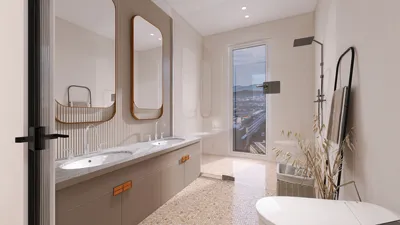


Crafting floor plans for dental offices that prioritize ergonomics is vital for enhancing both efficiency and comfort within the workspace. A thoughtfully designed layout not only elevates the patient experience but also optimizes the workflow for dental practitioners. By emphasizing ergonomic principles, you can mitigate physical strain on staff members while cultivating a welcoming environment for patients, making tools like Homestyler incredibly useful in this process.
When designing a dental office, the main objective should be to maximize space efficiency while ensuring it remains accessible and comfortable. Important considerations such as patient flow, staff movement, and the positioning of equipment play significant roles in creating an effective layout.
Guidelines for Ergonomic Dental Office Design
1. **Patient Flow**: Maintain a seamless flow for patients from the reception area to treatment rooms. This can be accomplished by thoughtfully arranging waiting areas in proximity to treatment zones to reduce unnecessary walking distances.
2. **Accessibility**: Ensure all parts of the dental office are easily navigable. This involves incorporating wide hallways and doorways while also being considerate of patients with mobility limitations.
3. **Staff Workflow**: Organize the layout to allow dental assistants and hygienists quick access to essential tools and equipment. This not only minimizes excessive movement but also facilitates a more streamlined workflow.
4. **Comfortable Workstations**: Invest in ergonomic furnishings for both staff and patients. Options like adjustable chairs, desks, and treatment tables can greatly enhance comfort during extended periods of work or treatment, highlighting the benefits of utilizing software like Homestyler to visualize these spaces.
5. **Lighting and Acoustics**: Adequate lighting is imperative in dental offices. When possible, incorporate natural light and add task-specific lighting in work zones. Moreover, using materials that absorb sound can significantly enhance the atmosphere, reducing stress levels for both patients and employees.
Essential Areas in Dental Office Design
The reception area serves as the initial touchpoint for patients. It needs to be inviting and comfortable, offering ample seating and clear signage. Ergonomic factors to consider include:
Each treatment room should prioritize the needs of both the patient and the dentist. Key features to include are:
Designate specific areas that allow staff to take breaks and recharge. Ergonomic considerations for these areas may involve:
Summary
Creating ergonomic dental office floor plans necessitates a deliberate methodology that addresses the requirements of both patients and staff. By focusing on aspects such as patient flow, accessibility, and comfortable workstations, you can foster an environment conducive to efficiency and well-being, possibly with the assistance of tools like Homestyler in your design process.
Frequently Asked Questions (FAQ)
Q: What are the fundamental components of an ergonomic dental office design? A: The primary components include patient flow, accessibility, comfortable workspaces, effective lighting, and acoustic considerations.
Q: What strategies can enhance staff workflow in a dental practice? A: Enhance staff workflow by ensuring easy access to necessary tools and equipment while designing spaces that limit excessive movement.
Welcome to the leading software for office design, Homestyler!

































