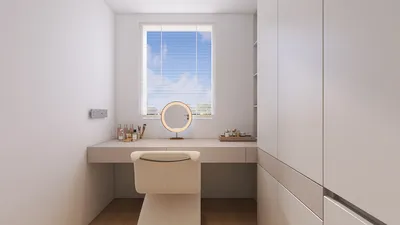


Incorporating bay windows into your floor plan can significantly enhance both the aesthetics and functionality of your design. Not only do bay windows offer extra space, but they also allow natural light to pour into the room, fostering a warm and inviting ambiance. If you’re looking to effectively integrate bay windows into your floor plan, follow these straightforward steps for optimal results. When using tools like Homestyler, these modifications can be seamlessly illustrated.
Understanding Bay Windows
Before beginning the drawing process, it's crucial to know what bay windows are. These windows typically extend from the main walls of your house, forming a nook that can serve various purposes such as seating, showcasing plants, or displaying decorative items. Generally, bay windows comprise three or more panels, with the middle panel being larger than the side panels, thus creating a cozy alcove effect.
Step-by-Step Guide to Drawing Bay Windows
First, determine the size of your bay window in relation to the scale of your floor plan. While the dimensions of a standard bay window may vary, ensure that it harmonizes with the overall proportions of the room.
Next, begin sketching the foundational shape of the bay window. Use a pencil to outline it on your floor plan. Typically, you will depict a three-part structure: one larger central panel flanked by two smaller side panels. Make sure that the central panel projects outward from the wall, usually at an angle of 30 or 45 degrees.
After establishing the outline, introduce depth to the bay window. This involves depicting the projection into the room along with the angled side panels. Be sure to include details such as window sills and the frames for a more realistic appearance.
Consider your intended use for the space within the bay window. You might want to illustrate seating or shelves in your design to create a more accurate representation. Clearly mark these features to show their integration within the overall plan.
Finally, review your drawing to ensure all dimensions are precise and the bay window aligns with your complete floor plan. Once you are satisfied, trace over your pencil sketch with a pen to finalize your drawing.
Common Mistakes to Avoid
A frequent error when drawing bay windows is underestimating their dimensions. Always verify that the size is balanced with the adjacent walls and the room's overall dimensions.
When conceptualizing bay windows, keep the structural aspects in mind. Ensure that the supporting walls and the roof can handle the additional design features without compromising stability.
Lastly, consider how the bay window will be perceived from the interior. The space's functionality holds equal importance to its visual appeal.
Conclusion
By skillfully incorporating bay windows into your floor plan, you can elevate both the beauty and functionality of your home. Following these guidelines will enable you to effectively draw bay windows that enhance the character and light within your space. Remember, careful planning is essential to ensure your design melds effortlessly with the rest of your interior. Utilizing tools like Homestyler can facilitate this process, allowing for a professional presentation of your concepts.
FAQ
A: A bay window extends outward from the primary walls of a building, creating a small alcove or nook inside.
A: The size should be proportional to the room and should harmonize with the overall design of your home.
A: Absolutely! Bay windows are ideal for incorporating built-in seating or shelves to create a cozy nook.
Welcome to the premier floor planner.
Progetta ora GRATIS
































