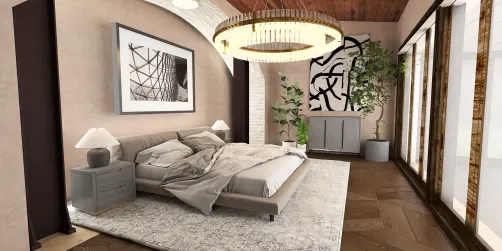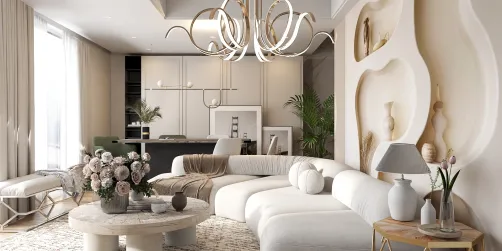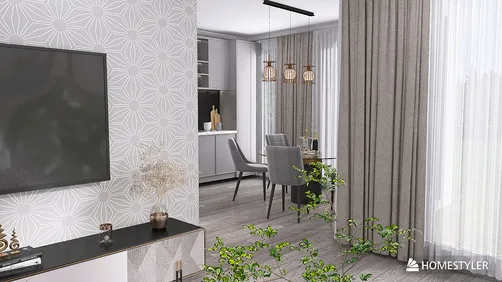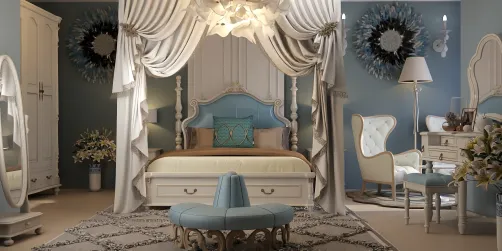
Designing a floor plan for a structure such as the ETH Main Building involves a comprehensive grasp of both functionality and aesthetics, especially within a dynamic academic setting. A thoughtfully crafted floor plan can improve navigation, foster collaboration, and create welcoming areas for both students and faculty. In this article, we will delve into essential design tactics to enhance the floor plan of the ETH Main Building, prioritizing space optimization, functionality, and overall user experience with the help of tools like Homestyler.
Assessing Space Requirements
Before embarking on the design journey, it is crucial to recognize the specific requirements of the ETH Main Building. This entails pinpointing the various activities that the space will accommodate, such as:
By classifying the requirements, you can establish different zones within the building tailored to various functions, ensuring a seamless experience for all users.
Incorporating Versatile Spaces
In an academic environment where space is often at a premium, adaptable spaces prove to be incredibly advantageous. Here are some strategies to consider:
These design elements not only optimize space utilization but also promote interaction amongst students and faculty, further enhancing collaboration.
Leveraging Natural Illumination and Eco-Friendly Materials
Integrating natural light into the floor plan can significantly improve the ambiance. Expansive windows and skylights help to create bright, inviting environments that boost productivity. Additionally, it’s wise to select sustainable materials for the construction and furnishing of the building. This method can:
By adopting eco-conscious design approaches, the ETH Main Building can act as a beacon of sustainability in academic architecture, especially when using solutions like Homestyler.
Establishing Clear Pathways for Navigation
An effectively designed floor layout should feature clear pathways that enable users to navigate easily. Consider implementing:
These design aspects not only enhance usability but also contribute to a favorable experience for everyone who steps inside the building.
Frequently Asked Questions
Q: What primary factors should be considered when designing a floor plan for an academic facility? A: Important factors include understanding space requirements, integrating versatile areas, maximizing natural light, and providing clear navigation paths.
Q: In what ways can multi-functional spaces enhance an academic atmosphere? A: Multi-functional areas make the most of limited space and encourage collaborative efforts among users.
Discover the No.1 Floor Planner for your design needs