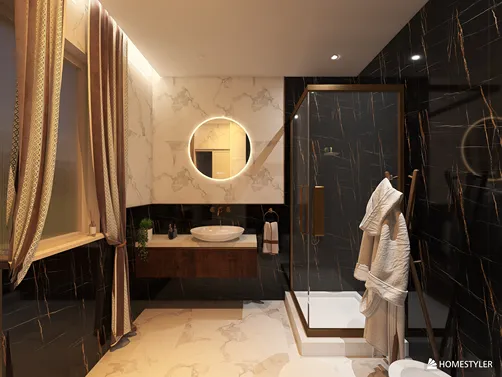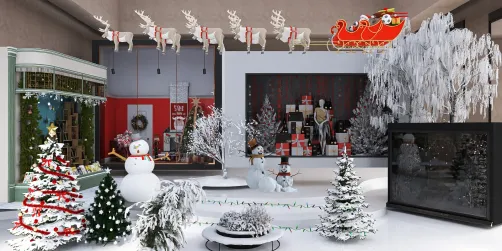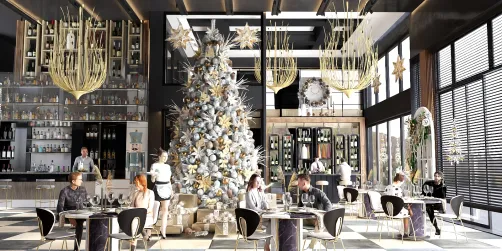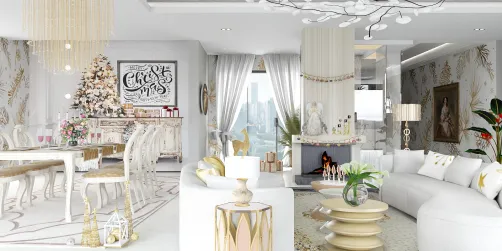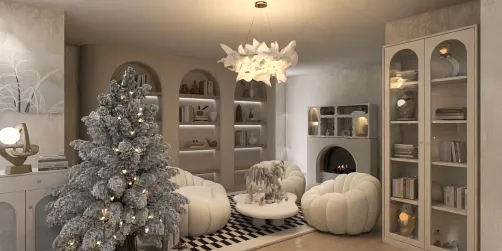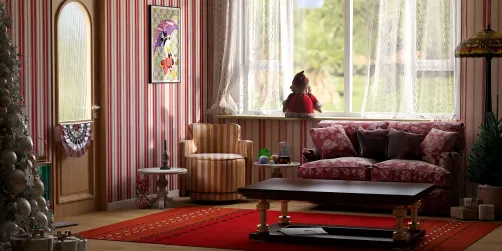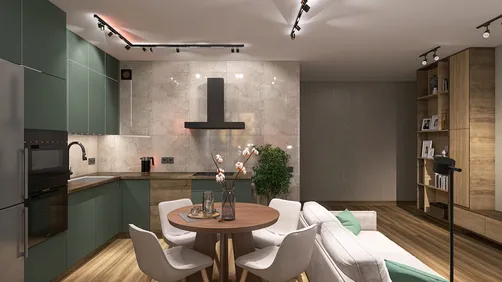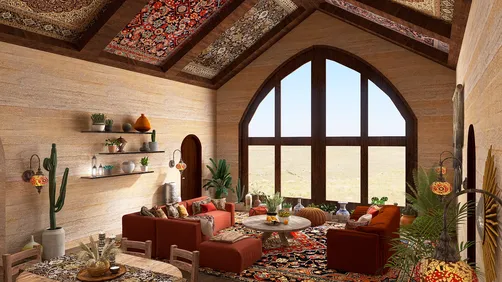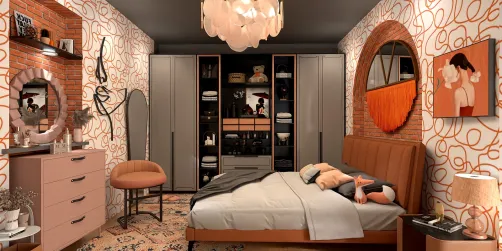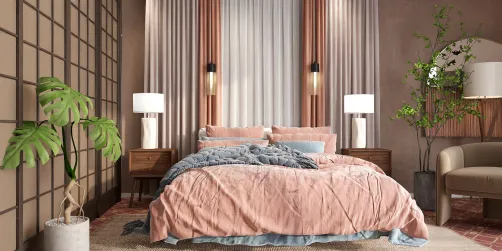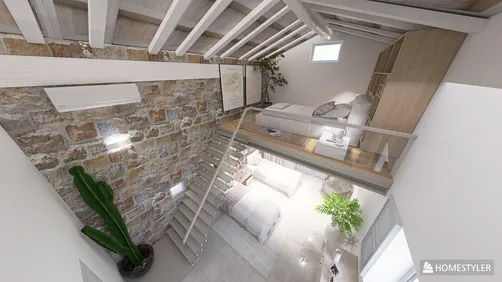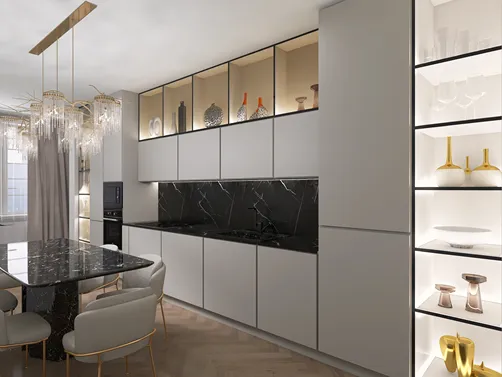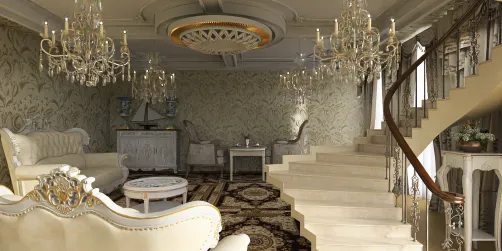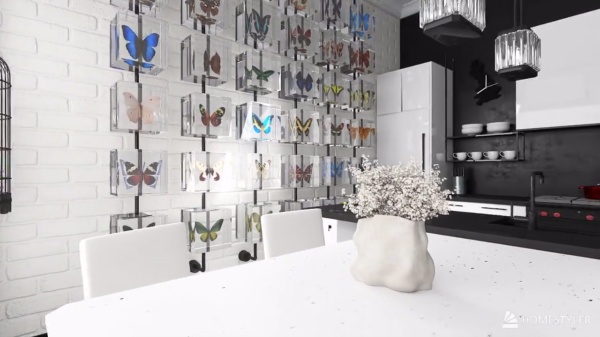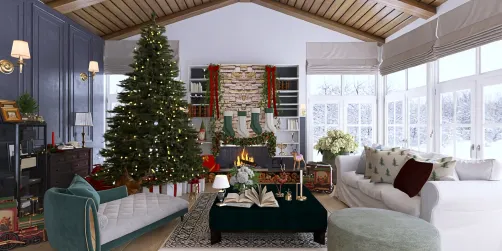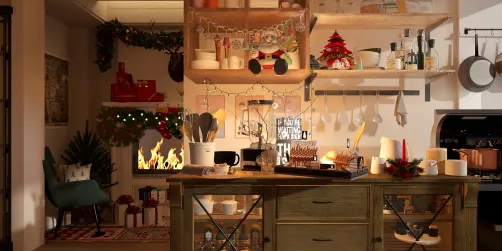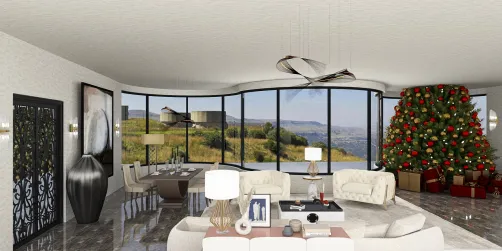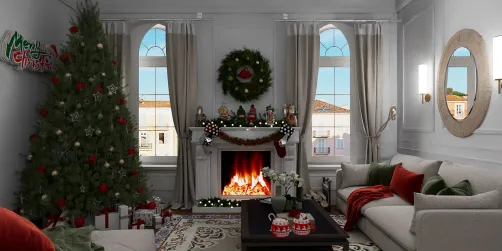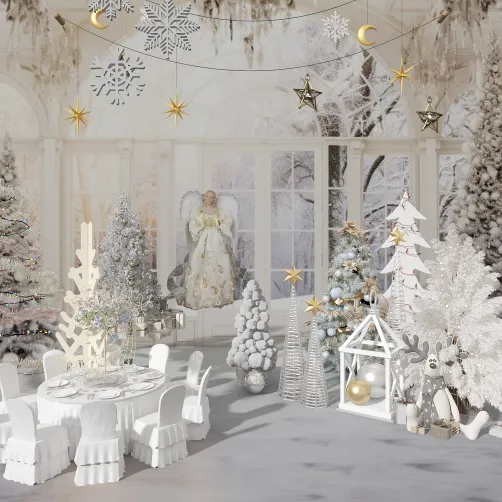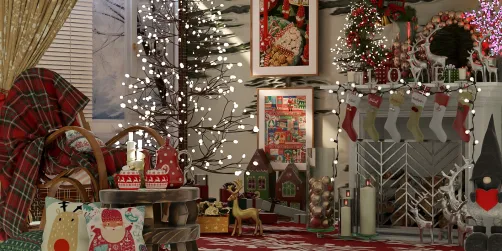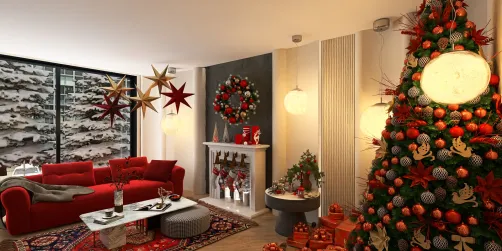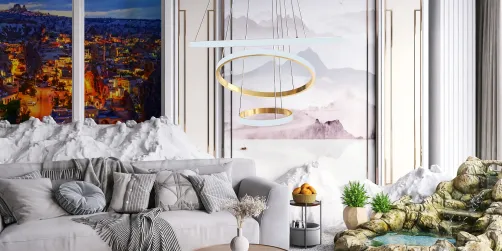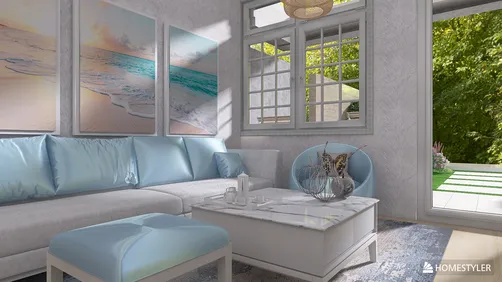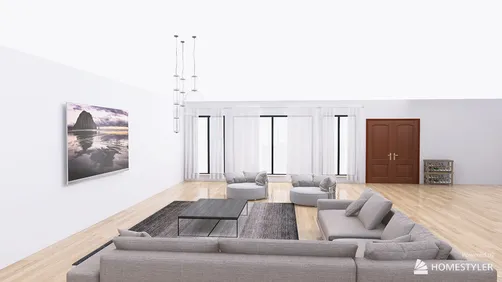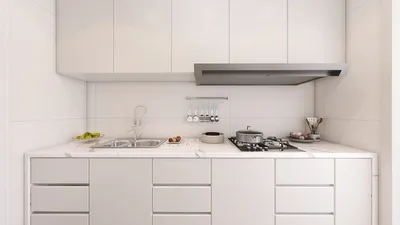
Photography combined with 3D rendering can significantly enhance your design projects. Merging these two powerful mediums results in breathtaking visuals that not only captivate viewers but also effectively highlight your interior design creations. In this article, we will delve into how photography serves as a perfect complement to 3D rendering, discuss the advantages of integrating both methods into your design workflow, and provide helpful tips to achieve outstanding outcomes.
Grasping the Fundamentals of Photography and 3D Rendering
Photography captures real-world images using cameras, while 3D rendering translates three-dimensional model data into a two-dimensional image. Each medium offers distinct benefits: photography brings authenticity and realism to the table, whereas 3D rendering delivers unparalleled flexibility and artistic control over visual components.
Advantages of Merging Photography with 3D Rendering
The integration of photography and 3D rendering provides designers with numerous benefits, enabling them to:
Strategies for Attaining Optimal Results
To successfully blend photography with 3D rendering techniques, consider the following recommendations:
Frequently Asked Questions
Q: What strategies can I use to enhance the quality of my 3D renderings?A: Concentrate on achieving realistic lighting, employing high-quality textures, and selecting the right camera angles to boost the overall visual quality.
Q: Which software should I use to merge photography with 3D rendering?A: Notable options include Autodesk 3ds Max, Blender, and Adobe Photoshop for refining images in post-production.
Welcome to the premier home design software, Homestyler, where your creative visions can come to life effortlessly!