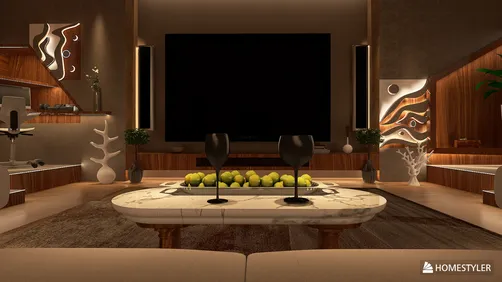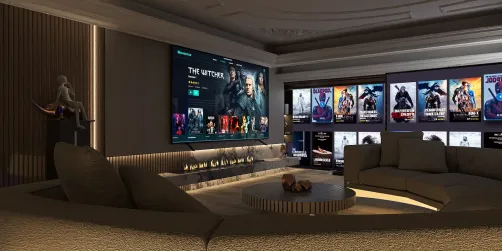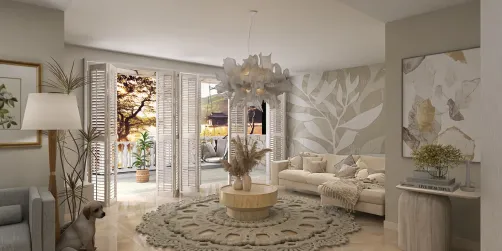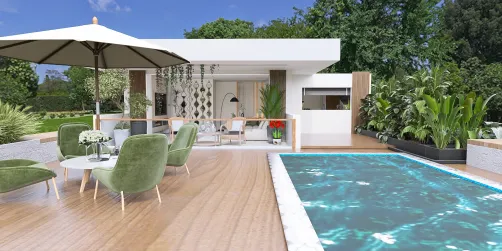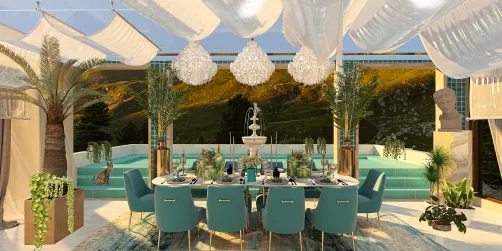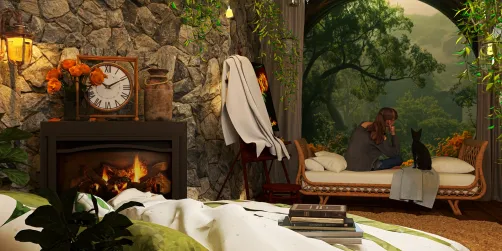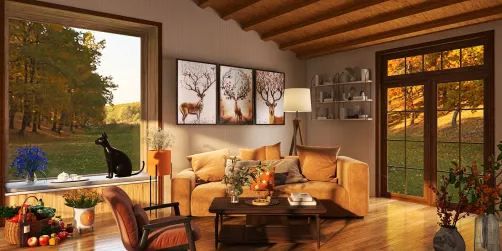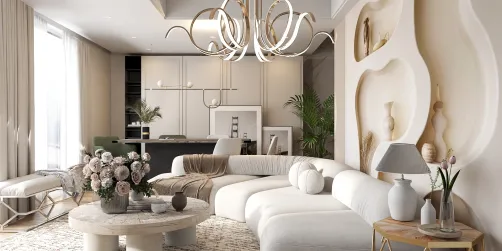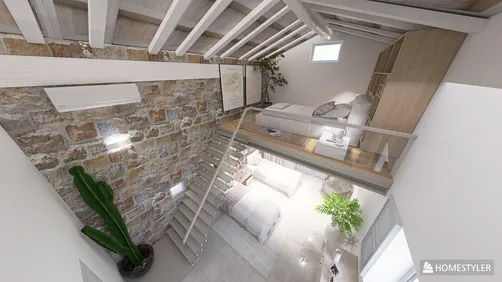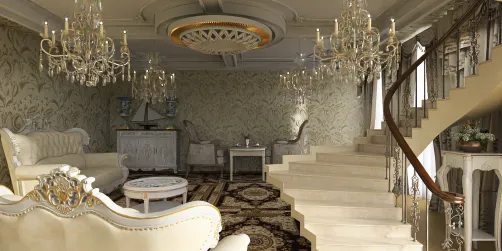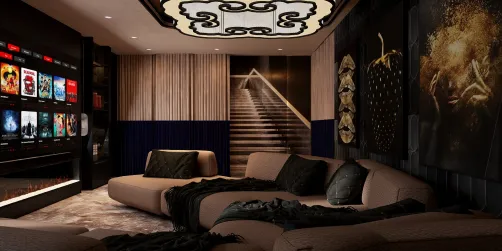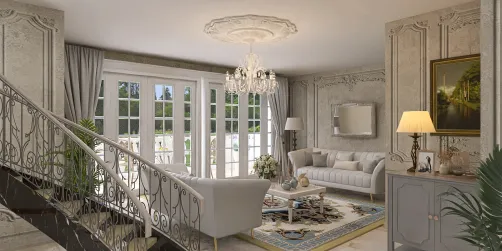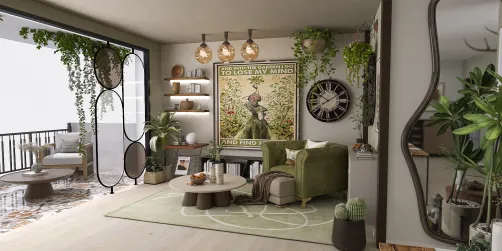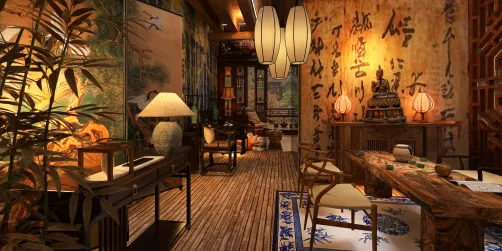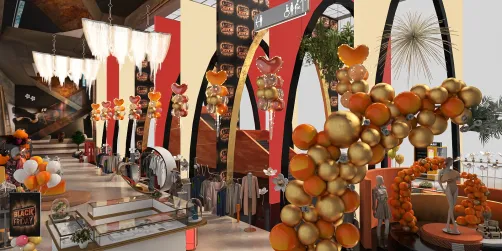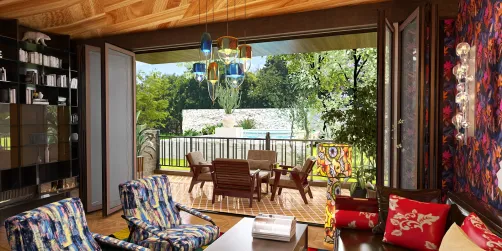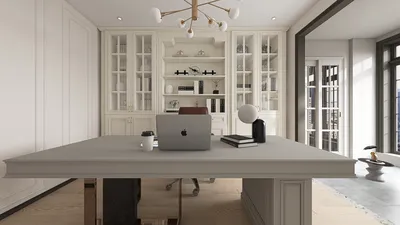
I have organized a multitude of events, ranging from personal celebrations to lively corporate gatherings, where the party hall plays a pivotal role beyond just being a venue. It serves as a canvas for creating memorable experiences through thoughtful integration of light, layout, sound, and materials. With the structural foundation of Subhiksham Party Hall, applying intelligent design strategies can elevate enjoyable occasions into truly unforgettable events. Incorporating tools like Homestyler can assist in visualizing these enhancements effortlessly.
Successful events depend significantly on how comfortably the space facilitates interaction. According to WELL v2 guidelines, it's essential to maintain a minimum of 300 lux ambient lighting for general tasks, elevating this to 500 lux for intricate activities while ensuring the unified glare rating (UGR) remains below 19 in focus areas. Research from Steelcase shows that incorporating varied seating and spatial zones can enhance overall guest satisfaction and engagement, reflecting directly on how social spaces are organized. These parameters aren't just theoretical; they fundamentally influence guest movement, conversations, and social interaction.
The interplay of color and mood holds equal importance. As highlighted by Verywell Mind's analysis on color psychology, warm tones can create an inviting atmosphere, while cooler shades promote tranquility and clarity. In my experiences, utilizing warm, muted color palettes can invigorate the ambiance without causing visual strain, especially when complemented with neutral textures and maintaining correlated color temperatures (CCT) within 2700K to 3500K for evening events. For daytime occasions, leaning toward 3500K to 4000K ensures photographs remain sharp and skin tones appear natural.
Creating a Cohesive Experience: Spatial Flow and Zoning
The flow of movement is crucial for great events. I emphasize creating clear pathways from entrance to registration, then leading guests to seating, refreshments, and the main stage. Establishing a primary circulation route minimizes congestion while enabling guests to explore additional areas, such as photo ops, lounges, or dessert stations, without crowding. If considering non-traditional table arrangements, utilizing an interior layout tool like Homestyler can help visualize preferred seating densities and sightlines before finalizing the plan.
Essential Lighting Layers for Every Occasion
Employing layered lighting creates the desired ambiance and serves various functions. Setting ambient light to a base level of 300-400 lux establishes an inviting atmosphere, while accent lighting highlights focal areas such as podiums and dessert tables. Adjustable task lighting supports catering needs effectively. I adhere to IES recommendations, ensuring balanced illumination for faces—vital for photography—and incorporate dimmable features for seamless transitions throughout the event, such as during receptions, speeches, and dancing. Regular glare control measures, including soft uplighting and gentle wall washing, can prevent harsh reflections on shiny surfaces or mirrored decor.
Enhancing Acoustic Comfort: Energize without the Echo
Hard surfaces can transform excitement into exhaustion. By integrating soft seating, area rugs, acoustic panels, and drapery, we can manage sound reverberation, improving clarity for speeches and musical performances. Aim for a reverberation time (RT60) of about 0.6-0.9 seconds in versatile event spaces; this is typically achievable in most venues with modular sound dampening solutions. Positioning speakers to achieve even sound distribution rather than focusing on a single zone ensures that guests can converse at comfortable volumes, even from a distance.
Strategizing Seating: Balancing Comfort and Capacity
Banquet-style tables maximize attendance; round tables (60–72 inches) usually accommodate 8-10 people while promoting social interaction. For cocktail-style events, pairing high-top tables with lounge seating encourages mingling and casual networking. It’s important to maintain a minimum of 36 inches between tables for easy movement, widening to 48 inches near service areas. For presentation times, ensure all seating offers uninterrupted views and avoid positioning guests where pillars obstruct visibility or glare from the stage is an issue. When uncertain, leverage an interior layout planner like Homestyler to simulate travel distances and visibility before the event.
Catering Logistics and Efficient Service Flow
Food stations require ample buffer space. Create buffet lines with at least 6-8 feet of clearance to facilitate queues without obstructing walkways. Distinguishing beverage stations can alleviate congestion—consider that coffee and bar areas operate differently and warrant separate placements. Additionally, optimizing back-of-house preparations near loading docks boosts service efficiency; using durable floor runners and non-slip surface finishes is crucial for safety.
Mood and Materiality: Durable, Attractive, Eco-Friendly
Select finishes that are not only visually appealing under diverse lighting but also able to withstand the demands of event traffic. Low-VOC paints and engineered materials designed for high durability simplify maintenance processes. Matte or eggshell finishes tend to photograph better than high-gloss ones, minimizing glare, while choosing textiles that balance aesthetic appeal with functionality—such as solution-dyed fabrics that resist stains and acoustically absorbent materials—is essential to create an inviting atmosphere.
Color Psychology Tailored to Various Events
Colors play a significant role based on the nature of the event; weddings favor warm neutrals paired with subtle metallic touches, birthdays can embrace more vivid contrasts, while corporate events benefit from cooler shades with specific accent colors. Use color strategically to convey mood: place warmer gradients around social areas while utilizing cooler tones near focal points such as stages or presentations. Additionally, keep brand colors minimal—overly vibrant hues can be overwhelming in photographs and distract from guests' faces.
Integrating Technology with Seamless Control
Approach power and control logic as one would for a production. Distributing outlets effectively for DJ setups, photo booths, and warming stations helps avoid messy cable arrangements. It is crucial to ensure wireless microphones operate on clear frequencies; coordinate with AV vendors. Pre-program various lighting scenes—like glowing entryway lights, clear keynote settings, and dramatic dance floor effects—to facilitate smooth transitions. If live streaming is part of the vision, make adjustments for white balance based on the room's predominant CCT, avoiding mixed color temperatures in the same frame.
Focusing on People-Centric Details
Ergonomics can significantly enhance guest satisfaction. Choosing chairs with good back support and providing clear signage coupled with resting areas near high-traffic zones ensures comfort during long events. Establish quiet spaces for elderly attendees or young children, ensuring universal access along main routes. Behavioral trends show that guests tend to gather near food and light sources; they will linger where conversations are easily held and the view is engaging.
Timeline Planning and Coordination with Vendors
Secure key decisions early on—such as layout, guest numbers, lighting, and AV requirements—to allow vendors to prepare accordingly. Distribute scaled floor plans and a detailed run-of-show with cues. I advocate for a thorough on-site rehearsal involving dimming tests, microphone checks, and comprehensive service walkthroughs to identify potential issues before guests arrive.
When I need a quick reference for well-being and comfort standards, I consult WELL v2 guidelines for lighting and acoustics and explore Steelcase's findings on behavioral dynamics in multipurpose settings. Such resources anchor decisions in practical outcomes rather than ephemeral trends. You can look into these insights further: WELL v2 and Steelcase Research.
Frequently Asked Questions
Maintain ambient lighting around 300-400 lux, dimming to around 150-200 lux for a cocktail atmosphere. Elevate to 500 lux near stages or intricate setups for optimal clarity in visuals.
For warm, flattering skin tones, aim for 2700K-3500K. Keep accent lighting consistent to avoid discrepancies in white balance during photography.
Incorporate area rugs, soft seating, fabric backdrops, and temporary acoustic treatments to enhance sound quality. Ensure even sound distribution with multiple speakers at lower outputs instead of relying on one loud source.
Use round tables of 60-72 inches with unobstructed sightlines to the stage. Maintain a minimum of 36 inches between tables and avoid seating arrangements that place guests behind obstructive pillars or under direct glare.
Ensure 6-8 feet of clearance for queues; differentiate food stations by courses or cuisines and position beverage areas separately. Stagger dessert stations to alleviate traffic congestion.
Warmly desaturated palettes with matte finishes reduce glare while keeping skin tones looking natural. Restrict the use of bright accents to small highlights rather than large, overwhelming spaces.
Certainly. Create a separate lighting scene featuring dynamic accents and lower ambient levels, ensuring safe pathways maintain at least 50-75 lux for circulation.
Plan wide aisles, accessible routes, diverse seating options (including standard and lounge), and quieter zones. Effective signage and evenly distributed amenities help minimize fatigue.
Analyze loads per circuit, distribute outlets among various zones, and avoid daisy-chaining. Synchronize radio frequencies for wireless microphones and thoroughly test all equipment during a comprehensive rehearsal.
Absolutely—use a room design visualization tool like Homestyler to compare table densities, pathways, and sightlines prior to final decisions.

Looking to transform your home? Homestyler is an outstanding online platform that empowers you with its user-friendly design tool, stunning 3D renderings, and a wealth of inspiring design projects. Plus, discover DIY home design with easy-to-follow video tutorials. Start creating your dream space today!