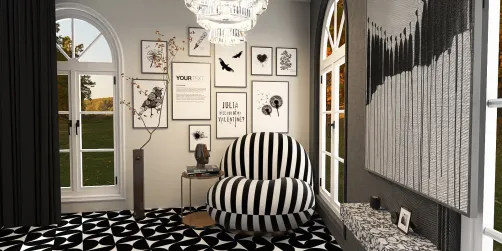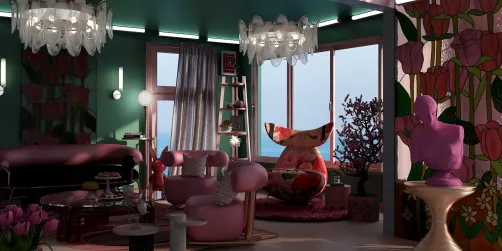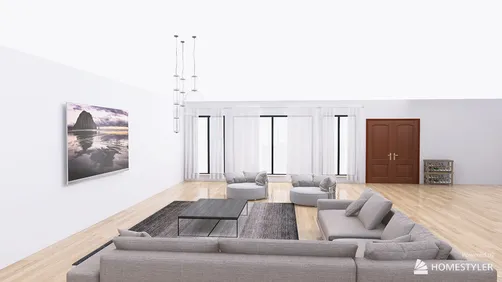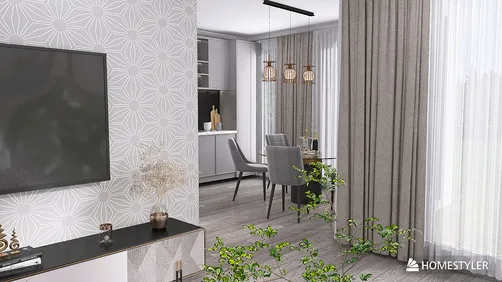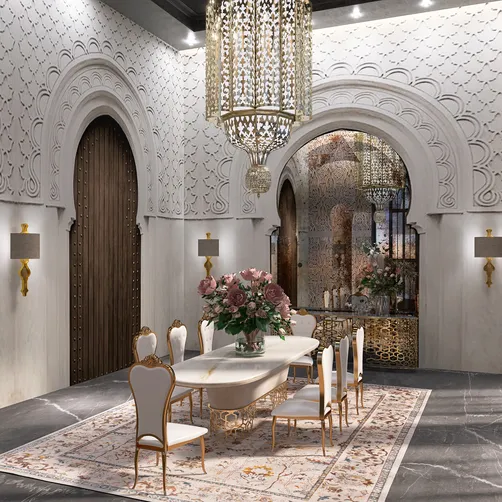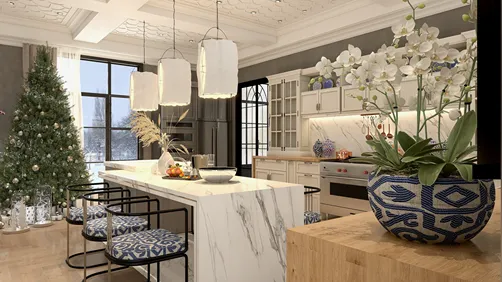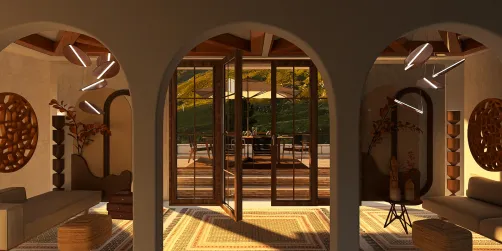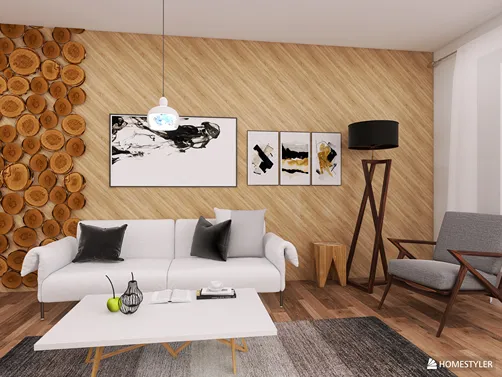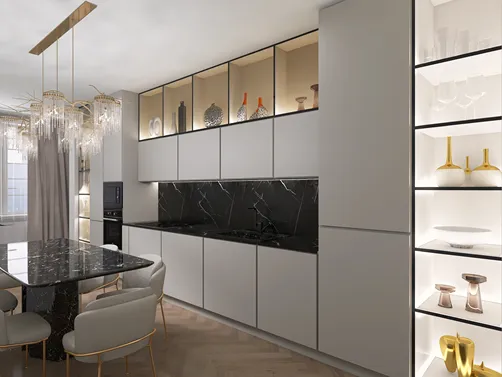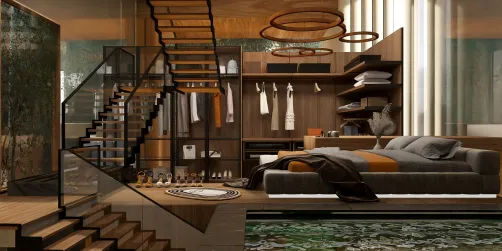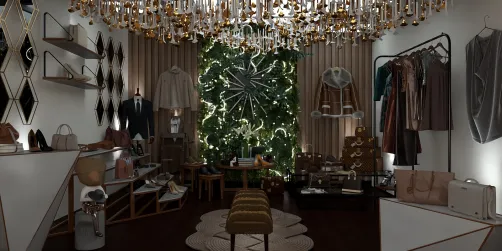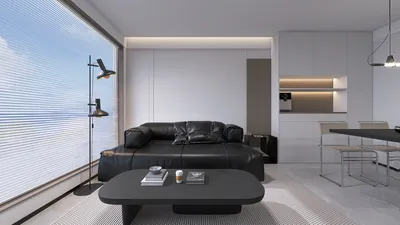
Lighting is an essential aspect of interior design that often goes overlooked. Rather than merely installing electrical fixtures, effective electrical interior design focuses on creating an atmosphere that elevates your living experience. By selecting appropriate lighting types and strategically positioning them, you can significantly transform your space. Whether you are revamping an existing room or designing a new one, it is crucial to incorporate electrical elements for both functionality and aesthetic appeal. A fundamental step in electrical interior design is to evaluate your space. Analyze the areas you intend to brighten, and contemplate the desired ambiance for each room. For example, a cozy reading nook might benefit from warm, gentle lighting, while a contemporary kitchen may need bright, white lights to enhance functionality. By understanding the intended use of each room, you can make well-informed choices regarding your lighting arrangement. Furthermore, consider the various lighting types at your disposal. Ambient lighting offers broad illumination and sets the desired mood, while task lighting focuses on specific activities like cooking or reading, and accent lighting draws attention to unique features in the room. Incorporating a mix of these lighting types enhances visual interest and ensures that each area serves its purpose efficiently. Energy efficiency is another critical consideration. Thanks to advancements in LED technology, you can enjoy bright illumination while reducing energy use. Smart lighting systems enable you to manage your lights remotely, program schedules, and change colors, offering unmatched flexibility and convenience. This investment can also result in cost savings over time for homeowners. Remember to think about the positioning of your fixtures as well. Ceiling lights, wall sconces, and table lamps should be thoughtfully arranged to eliminate shadows and provide balanced light distribution. Consider layering your lighting as well, which involves combining different sources to add depth and texture to your space. For instance, a mix of ceiling lights, floor lamps, and decorative pendant lights can foster a welcoming atmosphere in your living area. Lastly, the color of your walls impacts the lighting effect. Various paint shades reflect or absorb light in unique ways, influencing a room's overall brightness. Lighter hues tend to make spaces feel larger and more airy, while darker tones create intimacy. Always test your lighting alongside paint samples to understand how they interplay within your specific environment. In conclusion, electrical interior design transcends simply selecting fixtures; it revolves around crafting a unified and functional environment that mirrors your personal style and requirements. By emphasizing the purpose of each area, choosing the appropriate lighting types, and prioritizing energy efficiency, you can illuminate your home in a manner that amplifies both its beauty and functionality, particularly with tools like Homestyler that help visualize your concepts effectively.
Tips 1:
Initiate your project with a lighting plan that takes into account your daily routines and how lighting can augment those experiences.
FAQ
What types of lighting are ideal for a living room? A balanced effect is achieved by combining ambient, task, and accent lighting effectively.
welcome to Homestyler