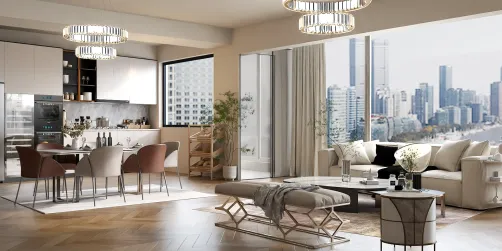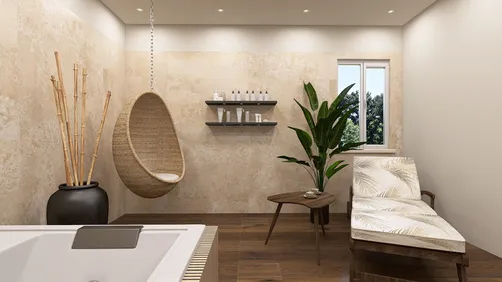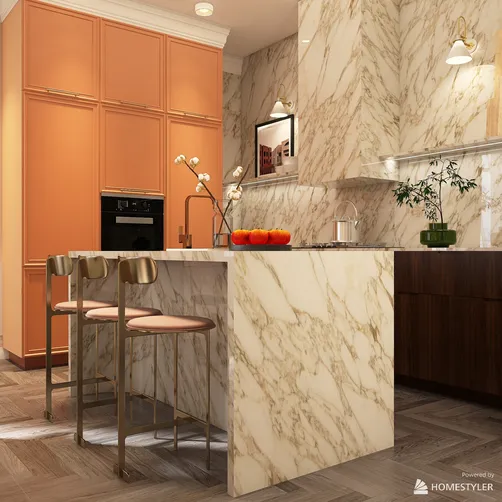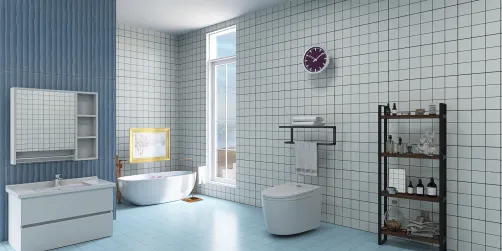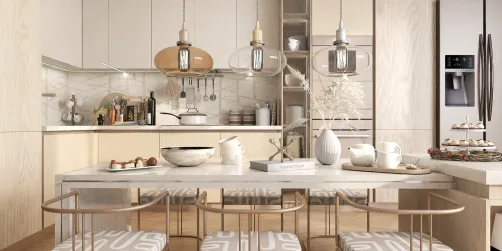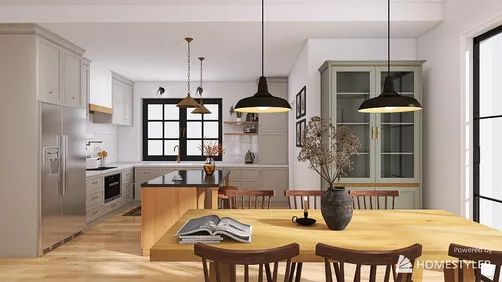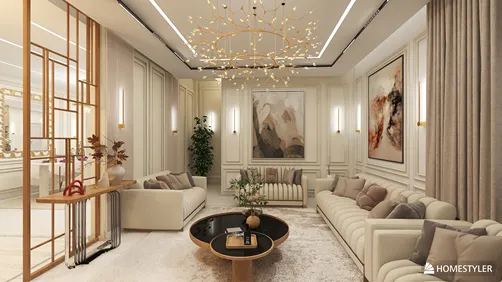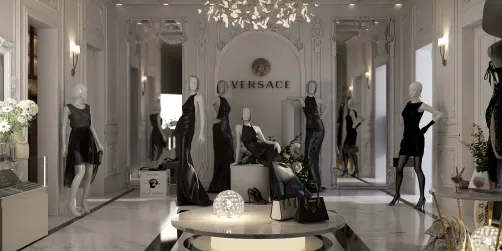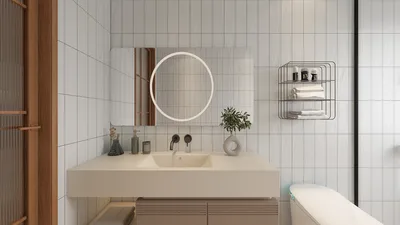
Properly arranging lights within a space is essential for fostering both functionality and ambiance. Thoughtful lighting design not only elevates the visual appeal of a room but also provides sufficient illumination for various tasks. Here are some effective strategies for arranging lights to blend style and practicality seamlessly with Homestyler in mind.
Grasping the Three Lighting Categories
Before proceeding with the arrangement, it's vital to recognize the three primary types of lighting: ambient, task, and accent. Each category has its unique function and should be integrated in a cohesive manner for optimal effect.
This encompasses the general illumination that fills the entire room, establishing the atmosphere while ensuring adequate brightness.
Task lighting focuses on specific activities such as reading, cooking, or office work. It must provide sufficient brightness to enhance visibility and minimize eye strain.
Accent lighting serves to highlight particular features or zones, such as artwork or architectural details, adding depth to the overall design.
Optimizing Light Arrangement
With a solid understanding of lighting types, the subsequent step is to arrange them strategically.
To create a well-illuminated room, incorporate layers of ambient, task, and accent lighting. For instance, in a living area, a central ceiling fixture can serve as the ambient light source, while table lamps can provide task lighting and wall sconces can emphasize artwork.
Consider the intended use of the space. A home office may require more intense task lighting, while a bedroom often benefits from softer, ambient lighting.
Utilizing dimmers offers the flexibility to adapt light intensity throughout the day or to set a mood.
Position ceiling fixtures centrally or in areas that require the most illumination. Additionally, lamps should be placed near essential furniture items such as sofas or desks for effective task lighting.
Selecting Appropriate Fixtures
Choosing the right fixtures is paramount for achieving effective lighting.
Ensure your fixtures complement the room's overall style. Modern designs fit seamlessly in contemporary settings, while vintage lamps can enhance traditional decors.
Opt for fixtures that are appropriately sized for the room. Oversized chandeliers may dominate smaller areas, while miniature fixtures can become lost in expansive spaces.
Frequently Asked Questions
A: The required number of light sources varies based on the size and purpose of the room, but a general guideline is to have at least three light sources to ensure a balanced effect.
A: Warmer color temperatures (ranging from 2700K to 3000K) are preferred for living spaces and bedrooms, while cooler tones (between 3500K and 4100K) are more suitable for kitchens and workspaces.
A: Absolutely, blending different bulb types can create a layered lighting effect, provided they share complementary color temperatures.