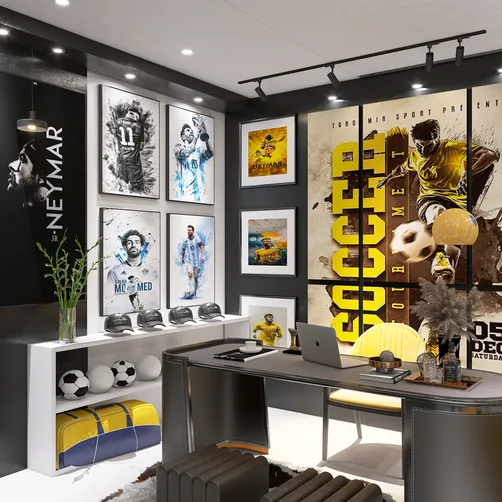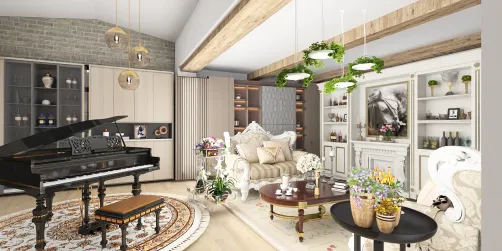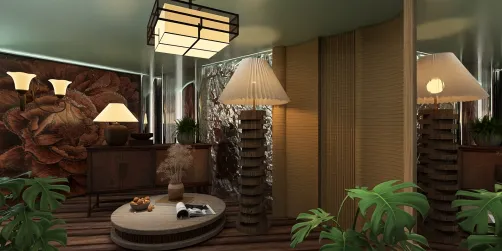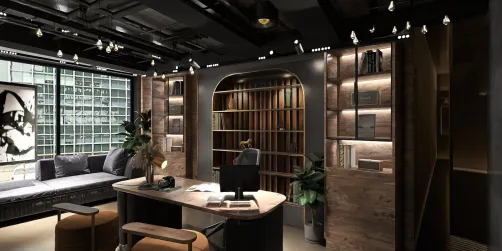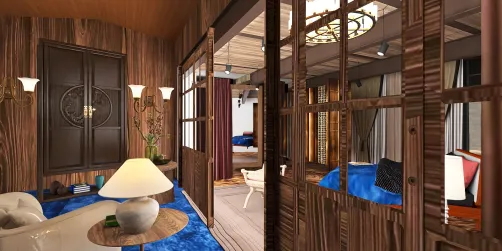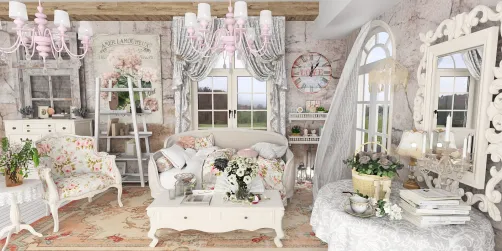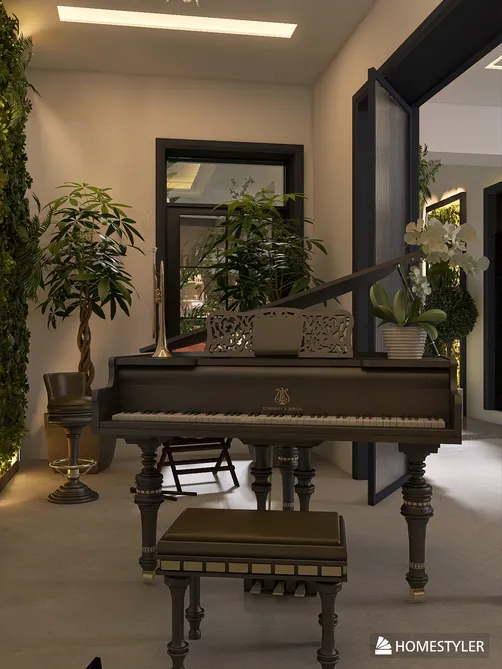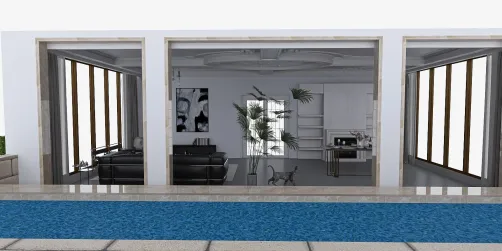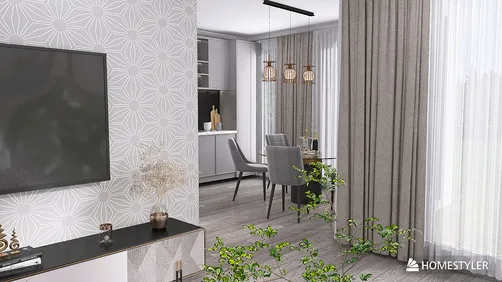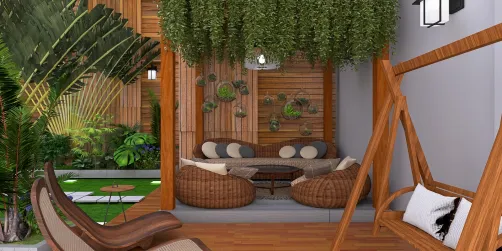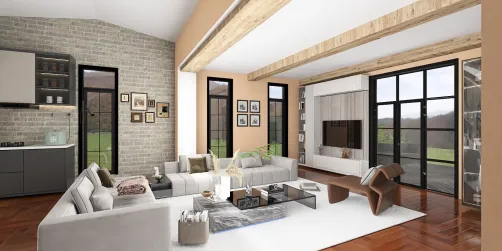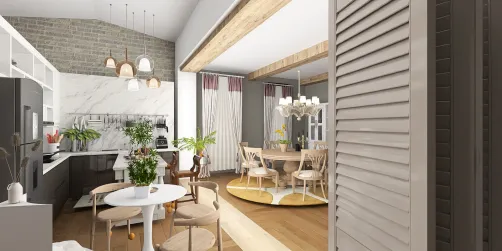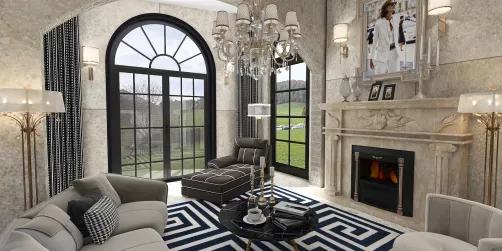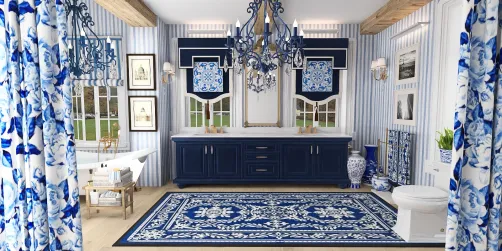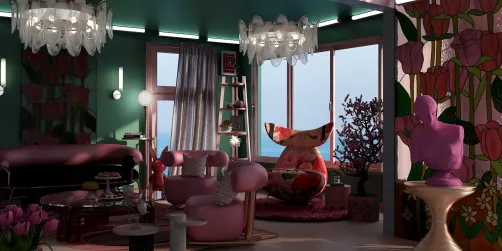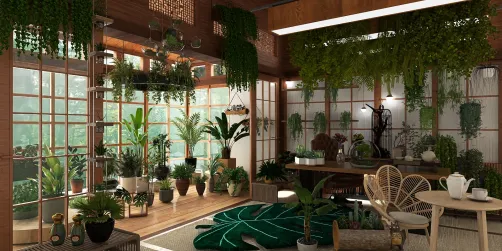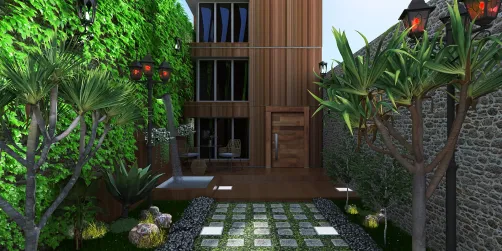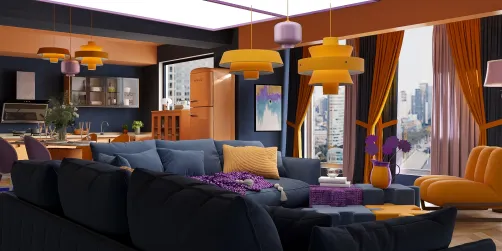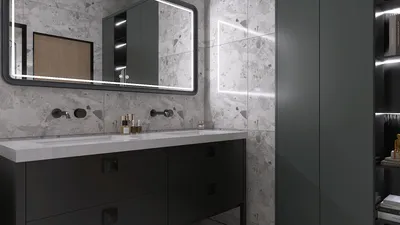
Art deco is a design movement that blossomed in the 1920s and 1930s, distinguished by bold geometric patterns, smooth lines, and an extravagant use of materials like glass, chrome, and marble. This style is a tribute to modernity, luxury, and glamour, leaving a significant mark on various design fields, including architecture, fashion, and furniture.
In today's design landscape, many creators are turning to historical influences while emphasizing sustainable practices and eco-friendly solutions. By integrating sustainable resources and being mindful of room dimensions, designers can craft spaces that are not only aesthetically pleasing and functional, but also prioritize environmental responsibility.
Central to eco-friendly design is the adoption of sustainable materials, which encompasses renewable, recycled, or non-toxic options that minimally impact the planet.
Examples of such sustainable materials include bamboo, cork, reclaimed timber, and recycled glass. These choices not only benefit the environment but also infuse unique textures and character into spaces.
When selecting sustainable materials, it’s essential for designers to acknowledge the entire lifespan of products, from the extraction of raw materials to the end-of-life disposal. By opting for materials that can be easily recycled or are biodegradable, environmental impacts can be significantly diminished.
An additional crucial element in eco-sensitive design is the analysis of room proportions. Thoughtful planning regarding layout and size can lead to spaces that are both energy-efficient and comfortable.
For instance, a room that is overly large for its purpose demands more energy for heating and cooling, whereas one that is too small may become cramped and uncomfortable. Striking a balance between form and function allows designers to create environments that are as efficient as they are beautiful.
Moreover, leveraging natural light and air circulation can greatly reduce energy consumption and augment indoor air quality. By incorporating features like expansive windows, skylights, and passive design techniques, designers can construct spaces that feel open, bright, and inviting.
Although art deco and sustainable design might seem at odds, they can coexist in harmony to produce both attractive and environmentally conscious interiors.
Integrating sustainable materials into art deco-inspired aesthetics enables designers to generate spaces that embody both elegance and eco-friendliness. For instance, swapping a marble or glass coffee table for one crafted from reclaimed wood or bamboo, or replacing chrome fixtures with those made from recycled metals exemplifies this blend.
By also evaluating room proportions, designers can create art deco-inspired interiors that not only captivate visually but also prove to be energy-efficient and comfortable for everyday living.
The combination of art deco style and sustainable design might appear surprising, yet by merging these methodologies, designers can curate spaces that are visually stunning while being ecologically responsible. Utilizing sustainable materials and focusing on room dimensions allows them to achieve interiors that are both breathtaking and energy-efficient, virtually making it easy to incorporate design software like Homestyler to visualize these concepts.