In my career, I had a client who demanded their kitchen flooring to possess the durability of a gym floor — accommodating a boisterous group of children and a weekly catered dinner. This unusual request compelled me to reconsider materials, patterns, and upkeep, ultimately teaching me that kitchen flooring ideas harmoniously blend practicality with style. For anyone seeking a swift strategy to visualize how a flooring choice will resonate within a space, utilizing a kitchen layout guide can help simulate finishes and traffic flow effectively.
1. Cozy wood-look porcelain for hassle-free warmth
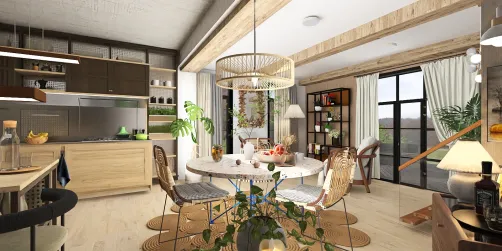
I have a admiration for wood-look porcelain; it encapsulates the inviting warmth of timber without the downsides of swelling or scratching that real wood incurs in a busy, moist kitchen. It's an ideal selection for open-concept homes where you desire continuity and fewer grout interruptions in sightlines. However, it might feel chilly underfoot—so consider radiant heating or plush rugs. Additionally, premium planks may carry a higher price tag compared to vinyl alternatives.
save pin
2. Eye-catching patterned cement tiles to define a small kitchen space
Patterned cement tiles are my hidden gem for compact kitchens; they inject immediate personality and can visually enlarge the floor area if the design is appropriately scaled. They are perfect for making the flooring a focal point without repainting cabinets. Keep in mind, these tiles require sealing and meticulous cleaning, thus demanding a bit more care than glazed porcelain tiles.
save pin
3. Large-format porcelain for sleek lines and maintenance ease
Large-format porcelain slabs significantly reduce grout lines, thus enhancing the sense of space and simplifying cleaning—a considerable advantage for families. They are particularly suited for those targeting a minimalist or modern aesthetic, beautifully complementing marble or concrete countertops. If you're uncertain about how the dimensions will translate, employing 3D floor visualization tools like Homestyler can help eliminate surprises during installation.
save pin
4. Luxury vinyl plank (LVP) for durable yet budget-friendly flooring
LVP has dramatically evolved; it now convincingly imitates real wood, while being waterproof and resilient against dropped utensils and high-heeled shoes. It's my preferred option when clients seek a robust, economical choice that can be installed quickly. One downside to consider is that lower-end LVP can appear artificial and may not last as long as premium porcelain—so investing in a high-quality product is crucial for longevity.
save pin
5. Custom inlaid tiles or geometric borders for a touch of individuality
If you're yearning for unique flooring, judicious placement of an inlay or geometric border can lend your kitchen a bespoke feel without extensive renovations. I once incorporated a subtle chevron inlay that was surprisingly affordable yet provided a boutique appearance; it's perfect for accentuating islands or entryways. This technique necessitates detailed planning and a proficient installer, so allocate additional budget for labor and mockups—consider using an AI-driven home design tool like Homestyler to preview intricate patterns prior to committing.
save pin
FAQ
Q1: What type of flooring is ideal for a compact kitchen?
A: Large-format porcelain or continuous plank options such as LVP can visually enlarge a small kitchen by minimizing grout lines and achieving a seamless look.
Q2: Is wood an unsuitable choice for kitchens?
A: While natural wood can be stunning, it requires additional maintenance in kitchen settings. For those enamored with wood aesthetics, wood-look porcelain delivers the same visual appeal with enhanced water resistance.
Q3: How can I prevent patterned tiles from dominating the space?
A: Opt for a pattern with a moderate scale, restrict it to the flooring, and maintain neutral cabinet colors to achieve visual balance.
Q4: Are heated floors worth the investment in a kitchen?
A: Heated floors are a luxurious upgrade that increases comfort; it can be a sound long-term investment, particularly with tile, albeit at the cost of higher installation complexity.
Q5: How much should I expect to budget for durable kitchen flooring?
A: Anticipate a broad pricing range: budget LVP can start at low prices, porcelain falls in the mid-range, while premium stone costs higher. Always factor in quality underlayment and expert installation for lasting results.
Q6: Is it possible to mix flooring materials between the kitchen and adjoining rooms?
A: Absolutely—mixing materials can delineate different areas. Utilize thresholds or harmonious color schemes to maintain a seamless flow between spaces.
Q7: Where can I access reliable kitchen design standards?
A: The National Kitchen & Bath Association (NKBA) offers credible design guidelines and dimensions (NKBA, https://nkba.org) that I refer to ensure workflow and safety norms.
Q8: How can I minimize buyer's remorse when selecting flooring?
A: Request samples, evaluate them in your kitchen lighting, and experiment with small mockups. Utilizing render previews or professional visualization like Homestyler can save you both time and expenses before installation.
save pin
Homestyler is an outstanding online home design platform that empowers you to create stunning interiors effortlessly. With its user-friendly design tool, rich library of 3D renderings, and helpful DIY video tutorials, transforming your home ideas into reality has never been easier!