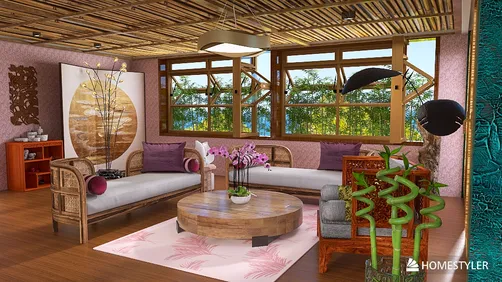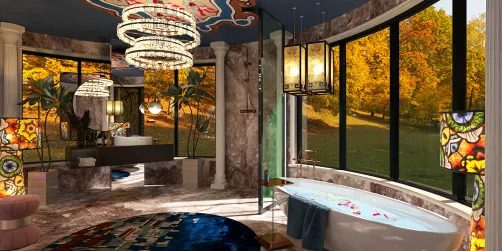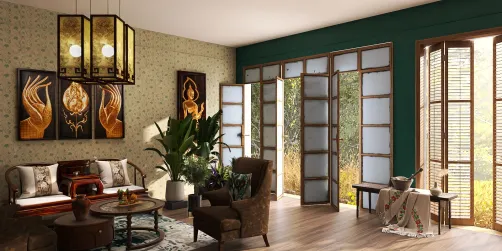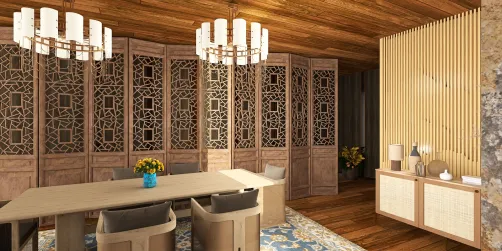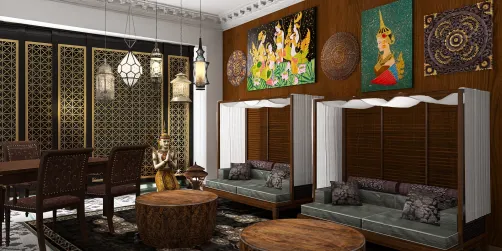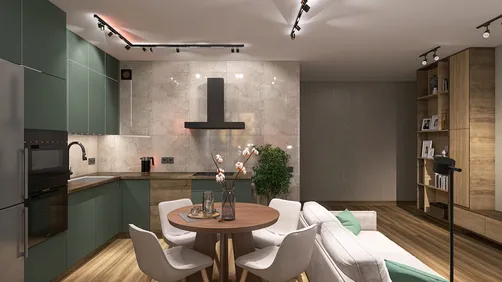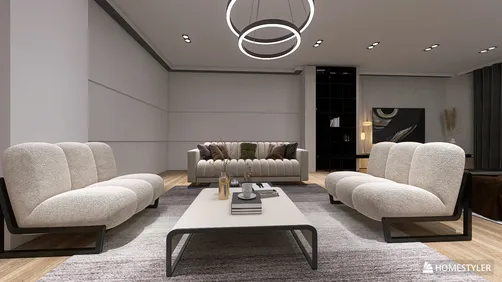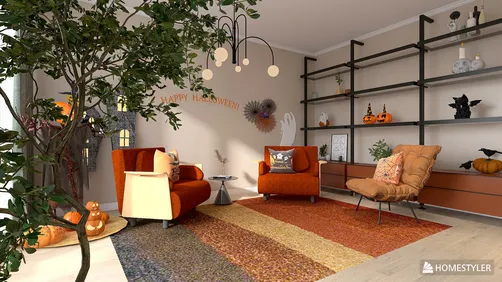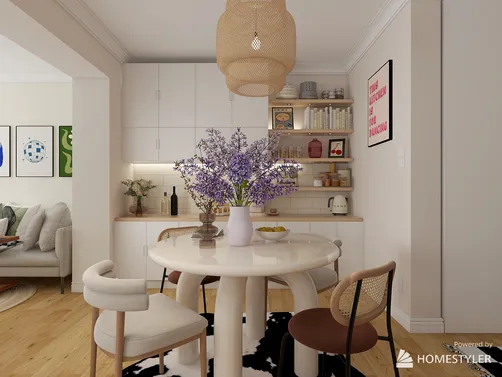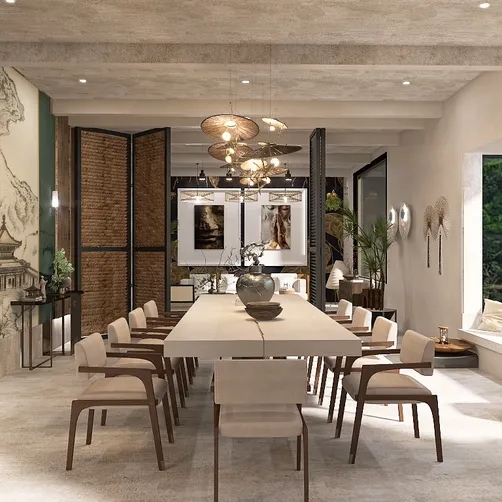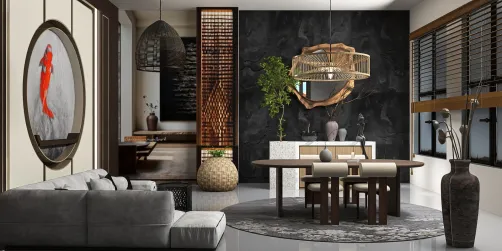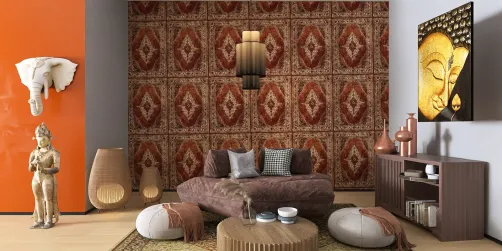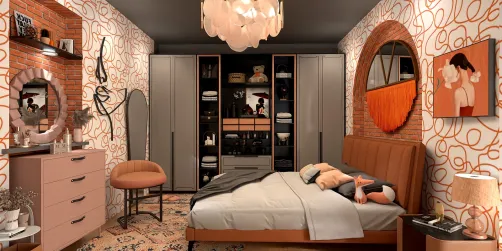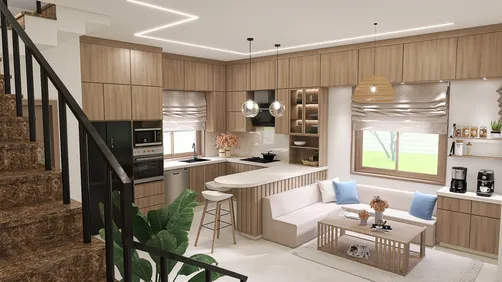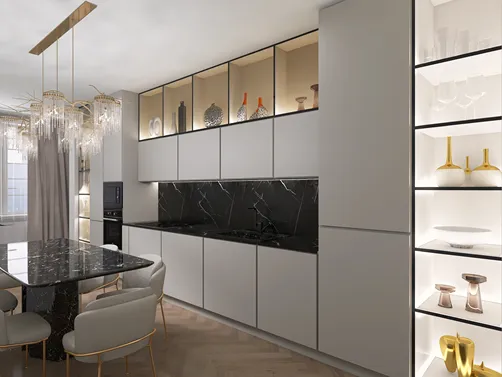
Transforming a room can be as simple as adding a wall panel, enhancing visual lines, controlling sound, and providing a refined texture that paint alone cannot achieve. When done properly, panelling creates an equilibrium in proportions, conceals wiring, and delivers a soothing rhythm on the walls without overwhelming the space. Using a tool like Homestyler can assist in visualizing these elements seamlessly.
Research highlights that well-designed vertical surfaces have a significant impact on comfort and behavior. Studies by Steelcase show that spaces with improved acoustic qualities boost concentration and efficiency; wall panelling made from felt or composite wood can effectively minimize echoes and speech transmission in areas such as living rooms and home offices. The WELL v2 guidelines also prioritize factors like glare, noise levels, and material safety; matte-finished panels help reduce glare while avoiding glossy surfaces that lead to visual fatigue. I adhere to these standards to ensure that my DIY panelling is not only visually appealing but also enhances everyday functionality. For comprehensive design principles, the International WELL Building Institute provides valuable standards regarding light, materials, and sound at wellcertified.com.
Color selection is crucial. Research compiled by Verywell Mind indicates that muted blues and greens can lower stress and enhance focus; combining these colors with wooden or textured panels creates a serene environment for activities like reading, remote working, or dining. Maintaining your wall panels within a light reflectance value of 30–50% is key for living areas as it decreases glare while preserving luminosity.
Plan Your Panel Rhythm
Before making any cuts, outline your panel configuration including widths, spacing, and height. I use a base ratio of 1:1.6 or 1:2 between the width and height of panels to achieve a harmonious look. Measure the wall, pinpoint outlet locations, and plan centering so that stiles align correctly without conflicting with casing or outlets. If you're working on a spacious area or multiple walls, utilizing room design visualization software like Homestyler can greatly aid in visualizing how panel lines interact with furniture arrangement and movement.
Choose the Right Material
The materials chosen can greatly affect sound management, upkeep, and environmental sustainability. MDF is a cost-effective choice that paints easily, but in kitchens and bathrooms, opt for moisture-resistant MDF. Solid wood offers uniqueness and depth but tends to shift with humidity. To improve sound absorption, consider felt-faced panels or slotted wood composites, particularly beneficial in rooms with hard flooring. Always ensure that the finishes used are low in volatile organic compounds (VOCs). According to WELL v2, limiting exposure to VOCs is essential; using water-based paints and finishes with independent certifications helps maintain healthier indoor air quality.
Set Proportions and Heights
Traditionally, wainscoting height is about one-third of the total wall height; for an 8-foot room, this translates to approximately 32–36 inches. Full-height moulding appears most effective when the panels maintain a consistent vertical rhythm—typically 4–8 panels on a wall will prevent the design from feeling cluttered or sparse. Align top rails with the headers of doors whenever feasible to create a cohesive look throughout the space.
Prep the Wall
Preparing properly is crucial and saves effort down the line. Identify the locations of studs, mark reference points, and repair major wall imperfections. If the wall isn’t plumb, adjust your stiles so that reveals remain uniform. Priming the area where panels will be installed not only enhances adhesion but also highlights any surface issues before the panel installation begins.
Cut and Dry-Fit
Begin by cutting stiles and rails to the correct dimensions, then test-fit them on the wall using light tape. Check for level, confirm that corners are square, and ensure there is enough clearance for doors. Aim for symmetry—if the total wall length isn't divisible by your selected panel size, consider making the end panels slightly wider instead of including a narrow piece that seems out of place.
Adhesives, Fasteners, and Movement
Utilize construction adhesive paired with 18-gauge brad nails for MDF or softer woods. When working with solid wood, pre-drilling is essential to prevent splitting. Maintain a 1–2 mm expansion gap where panels meet ceilings or walls, filling these with flexible caulk prior to painting. In areas with high humidity, back-priming your wood pieces can help manage moisture exchange.
Create Clean Reveals
Well-defined reveals enhance the craftsmanship of your work. I typically maintain reveals between 3/16–1/4 inch between stiles and panels to create depth; narrower gaps suggest a modern aesthetic, while wider reveals lend a more traditional feel. To maintain consistent spacing during installation, use a spacer block. For contemporary designs, flat edges paired with minimal trim project a sharp appearance, whereas more classic designs benefit from a slight bead or ogee detail along the inside edge.
Acoustic and Lighting Considerations
Panels can serve as acoustic solutions. In home offices, integrating sections made of felt behind your desk can help absorb sound—this aligns with findings by Steelcase linking sound control to improved focus. On the lighting front, using matte finishes (like eggshell or satin) can mitigate glare; position wall sconces so that vertical light flows evenly across the panels. I adhere to IES recommendations, suggesting light levels of around 150–300 lux for common areas and 300–500 lux for zones designated for tasks. Aim for a color temperature of roughly 2700–3000K in living spaces for a cozy atmosphere, and around 3000–3500K in work zones to enhance focus while avoiding a harsh feel.
Prime, Sand, and Paint
It’s essential to thoroughly prime all raw edges of MDF as they tend to absorb moisture. Apply caulk along seams, allowing it to cure before sanding smooth using 220-grit paper. Two coats of high-grade paint will yield a uniform finish. For added texture, consider using limewash or mineral paint over smooth panels—this type of finish diffuses light and conceals minor flaws.
Integrate Storage and Power
Panelling presents the perfect opportunity to conceal electrical cables or incorporate shallow shelving. Create a cable channel behind the stiles and add a removable access panel near power outlets. If your design includes built-in hooks or rails, ensure you reinforce behind the finishing layer with blocking made from plywood.
Design Variations
- Utilize Shaker wainscoting in dining rooms, maintaining a height of 32–36 inches while following a 1:2 panel ratio.
- Implement grid paneling in offices using square modules with felt inserts to mitigate sound.
- Opt for vertical slats in narrow hallways to produce a sense of verticality and spaciousness.
- Adopt beaded board for mudrooms, providing durability suitable for high-traffic areas.
Maintenance
To clean, gently dust panels with a microfiber cloth and spot-clean using a diluted mild detergent. Avoid abrasive products on MDF. After seasonal changes, check for any hairline cracks and reapply caulk as necessary. A tiny bead of paintable silicone will help maintain neatness around joints.
Common Mistakes I Avoid
- Overlooking the necessity for wall plumbness, which can disrupt consistent reveals.
- Selecting overly shiny paint, which can exaggerate glare and surface imperfections.
- Allowing panels to stop unexpectedly mid-window or misaligning with door headers.
- Neglecting to allow for expansion gaps in solid wood configurations.
FAQ
Q1. What’s the easiest panel style for first-time DIYers?
A1. The Flat Shaker style features simple stiles and rails, making it an accessible option using MDF, which is easy to work with and paints well with basic tools.
Q2. How do I determine the ideal panel width?
A2. Begin with the total wall length and select a configuration that accommodates 4–8 panels. Using a 1:1.6 or 1:2 width-to-height ratio will result in an aesthetically pleasing composition.
Q3. Which paint sheen is most effective?
A3. Eggshell or satin finishes are preferable for living spaces, as they minimize glare and effectively conceal minor flaws compared to semi-gloss.
Q4. Can adding paneling enhance acoustic qualities?
A4. Absolutely. Incorporating felt-faced or slotted wood panels can dampen sound reflections. Research from Steelcase supports the notion that effective sound management fosters concentration, especially noticeable in home offices and living areas.
Q5. What precautions should I take in moisture-heavy areas?
A5. Use moisture-resistant MDF along with waterborne, low-VOC finishes. Make sure to seal cut edges thoroughly and allow for ventilation gaps.
Q6. How high should the wainscoting extend?
A6. Typically, it should be around one-third the height of the wall. In an 8-foot room, a height of 32–36 inches looks visually proportionate and aligns well with window sills and switches.
Q7. How do I accommodate outlets and switches?
A7. Design your stile placements accordingly. Use box extenders where necessary and ensure consistent reveals to prevent an interrupted appearance in ensuing trims.
Q8. What tools should I prepare?
A8. Essential tools include a tape measure, level, stud finder, miter saw or circular saw with a straight edge, brad nailer, construction adhesive, caulk gun, primer, and paint.
Q9. How do I select the right color?
A9. For a calming effect, opt for muted blues or greens. The color studies noted by Verywell Mind link these tones to lower stress levels and enhanced focus, making them ideal for home offices and bedrooms.
Q10. How can I eliminate visible seams?
A10. Space joints away from eye level, fill and sand thoroughly, and apply a high-build primer prior to painting.
Q11. Can lighting be integrated with paneling?
A11. Certainly—plan wiring behind the stiles and use wall sconces that direct light vertically. Follow IES-recommended light levels, maintaining 150–300 lux for living spaces and 300–500 lux for task areas.
Q12. Is choosing solid wood preferable to MDF?
A12. Yes, for its enduring quality and tactile warmth, particularly in high-use areas. However, MDF excels in achieving a uniform surface finish at a more affordable price. A blend of both materials can yield excellent results, using solid wood for stiles and MDF for paneling.
Q13. How can I avoid panels looking overly cluttered?
A13. Limit the number of panels and maintain consistent spacing. Ensure alignment with architectural features such as door headers and window casings for a cohesive look.
Discover the ultimate home design experience with Homestyler! This user-friendly platform offers a fantastic online design tool, stunning 3D renderings, and a treasure trove of DIY video tutorials. Bring your vision to life and create the home of your dreams, effortlessly!