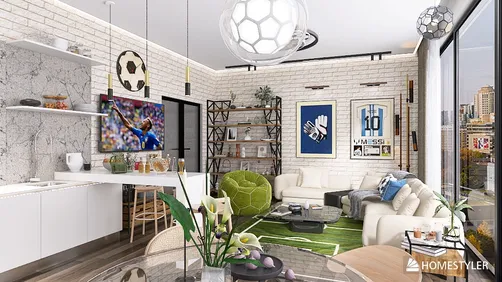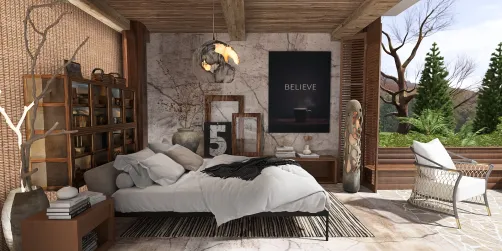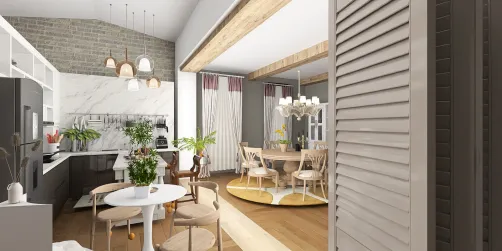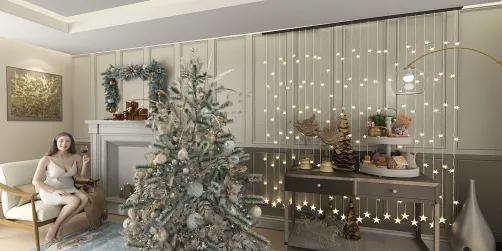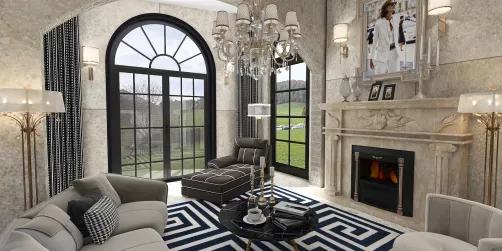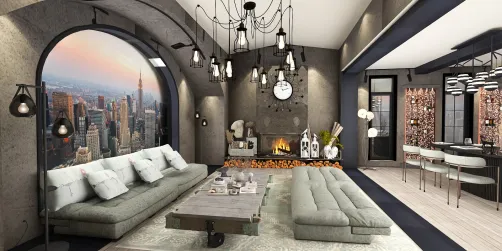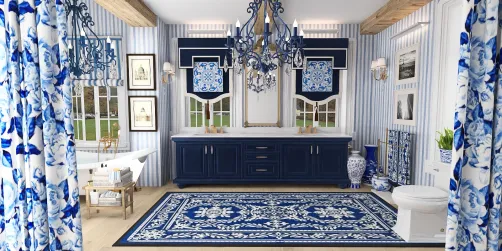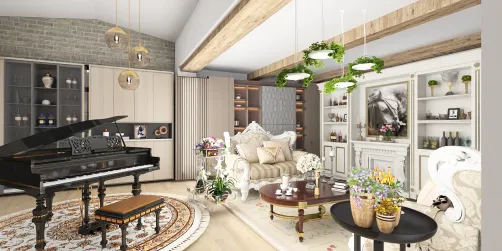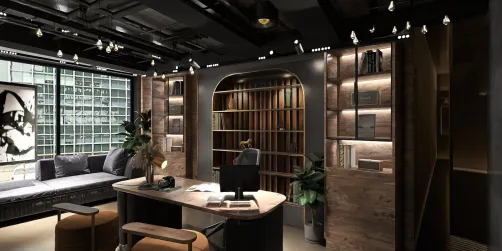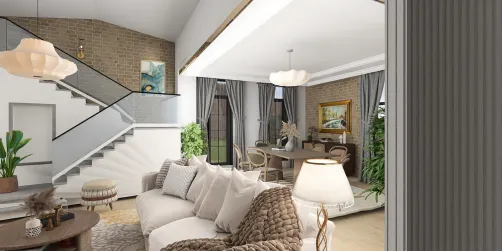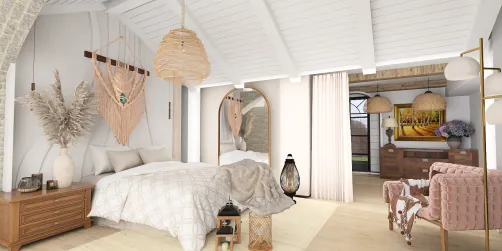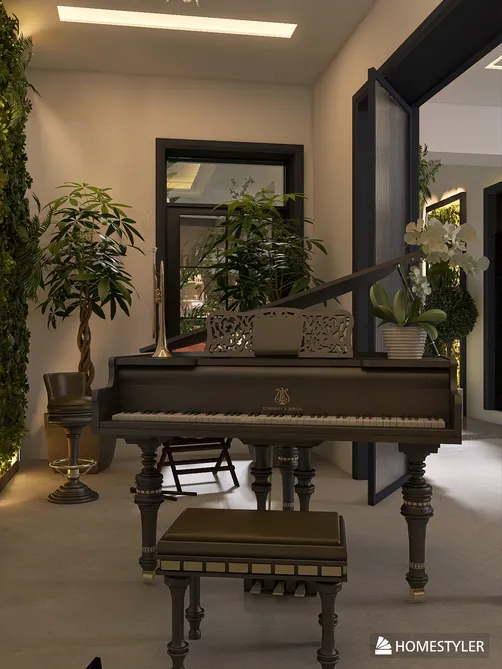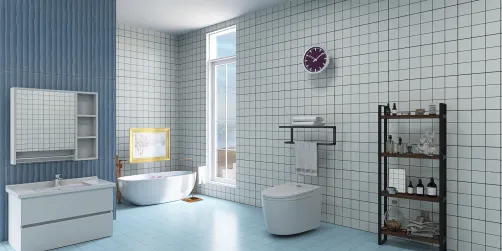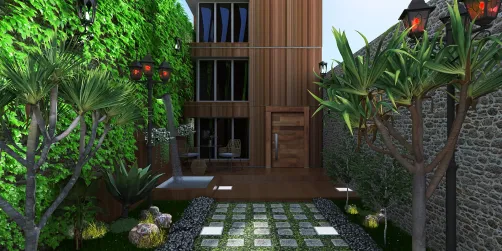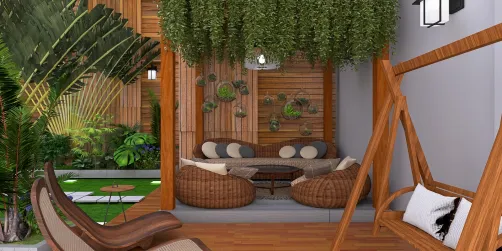
As a designer who has observed the shift in trends from elaborate chandeliers to simple, tactile decorations, I have noted a significant transformation in dining room table centerpiece decor. Today’s interior design trends prioritize natural materials, layered textures, and unobtrusive arrangements that facilitate conversation. Particularly within small spaces, limited square footage is inspiring innovative creativity — the key is to adopt the right centerpiece strategy that suits your layout, often enhanced by tools like Homestyler for visualization.
In this article, I’ll explore five tried-and-true centerpiece inspirations, weaving in my own renovation experiences along with expert insights and data. Throughout, I’ll provide practical pros and cons, budget-friendly tips, and swift case ideas — starting with a 3D rendering that helps visualize the finished look of a modern centerpiece, which can be effectively created using Homestyler.
1. Low-Level Greenery Runner
My Perspective
I discovered the charm of a low greenery runner during a small condo renovation where the clients frequently entertained but had a narrow table. Rather than using a tall vase, we created a continuous line of various foliage and small succulents. This choice not only maintained clear sightlines but also exuded a fresh ambiance.
Advantages
Low greenery runners encourage conversation and visually lengthen the table, making tight dining room table centerpiece decor appear intentional instead of cluttered. They are also ideal budget centerpiece ideas for small round tables, as you can source greenery locally and reuse elements across different seasons.
Drawbacks
Maintenance includes watering and dealing with occasional leaf drop — not glamorous, but manageable. If care is neglected, the greenery can wilt, undermining the intended fresh, organic feel.
Suggestion
Combine a mix of faux and live stems to reduce upkeep: use live plants in focal areas and faux ones to extend the runner cost-effectively. In small apartments, consider building the runner on a tray or a thin cedar plank to shield surfaces.
save pin
2. Sculptural Single-Piece Centerpiece
My Perspective
I appreciate the impact of a singular sculptural piece — whether it’s a blown-glass bowl, a carved wooden form, or a ceramic pedestal. I once recommended a striking piece to a client desiring a bold statement that wouldn’t disrupt dinner service; it anchored the space beautifully without overwhelming the table.
Advantages
A sculptural centerpiece offers a high-impact statement for a single investment, aligning well with contemporary and Scandinavian dining room table centerpiece decor trends. Choosing materials like hand-blown glass or artisanal clay can make it suitable for seasonal centerpiece decor trends in 2025, easily complementing candles or greenery.
Drawbacks
These standout items can be costly, and determining the right scale is crucial — if too large, they dominate, and if too small, they can appear as clutter. Additionally, bulky designs may pose storage challenges if you like to rotate centerpieces with the seasons.
Suggestion
Select one bold piece that harmonizes with your table’s dimensions. Adhere to the rule of thirds: the centerpiece should occupy about one-third of the table's length visually, ensuring space for place settings and serving dishes.
save pin
3. Layered Candles + Textiles Vignette
My Perspective
During holiday seasons, I often suggest placing layered candles on mixed-height holders, set atop a textured runner or folded linen. A client with a small table found this method appealing as it created an inviting warmth without needing additional space.
Advantages
Layered candles combined with textiles instantly create ambiance and are highly adaptable — simply swap candle colors or runners to suit the occasion. This strategy represents one of the most versatile dining room table centerpiece decor ideas and can be effortlessly implemented as DIY centerpiece ideas with candles and greenery for quick refreshes.
Drawbacks
Using open flames necessitates safety precautions: ensure candles are low and consider glass covers for breezy balconies or environments with children and pets nearby. Also, be prepared for wax drips during use.
Suggestion
Utilize LED candle alternatives for extended gatherings or when safety is a concern. Incorporate a subtle scent diffuser or lightly scented candles to prevent overpowering food fragrances.
save pin
4. Edible Centerpieces: Fruit & Herb Displays
My Perspective
I first explored edible centerpieces during a summer dinner series I hosted. Bowls filled with citrus, figs, or a wooden cutting board adorned with herbs created an inviting and abundant atmosphere that encouraged guests to partake. This design choice blends aesthetics with practicality beautifully.
Advantages
Edible displays merge decor with part of the meal, making them ideal for intimate gatherings and budget-conscious centerpiece ideas for small round tables. They correspond with entertaining trends focused on experience rather than formality, and easily transition with seasonal centerpiece decor trends (think pomegranates in fall, lemons in summer).
Drawbacks
Produce requires refreshing as it ages, and sticky fruits can attract pests if left uncovered. Additionally, the social dynamics of guests serving themselves can be tricky — some hosts prefer to serve rather than encourage sharing of food displays.
Suggestion
Rotate perishable items midway through the event and combine them with non-perishable bases (like a wooden tray) to keep things tidy. For longer events, select fruits known for their longevity, such as apples, pears, or citrus.
save pin
5. Mixed-Materials Cluster
My Perspective
One of my favorite projects integrated metal, wood, and glass into a cohesive cluster: a brass tray, a low ceramic bowl, and a few tapered candles. This combination provided the compact dining table with a layered, collected appearance that felt thoughtfully curated rather than staged.
Advantages
Blending materials allows you to create balance between shine and texture — this contrast supports eclectic and modern dining room table centerpiece decor. This method also offers budget-friendly shortcuts by combining an affordable ceramic piece with one that’s pricier, thereby achieving a stylish ambiance (as recommended by Better Homes & Gardens).
Drawbacks
Too many small objects can appear cluttered on compact tables, so careful curation is essential. I’ve witnessed stunning clusters devolve into chaos when hosts insist upon including every item they own.
Suggestion
Rely on a cohesive color palette and restrict the cluster to three to five elements. Position the arrangement on a small tray to facilitate easy movement for serving or rapid clearing of the table.
save pin
Quick Practical Checklist
Before styling any centerpiece, consider these quick questions: What is the table size? Will guests sit across from one another? Is there storage for seasonal swaps? My practical guideline: keep arrangements low for conversation, use textures that leave a memory, and repeat elements to streamline your decor process.
For layout solutions enhancing serving or display space, think about arrangements that mirror kitchen planning principles — an L-shaped layout can make the dining table feel both functional and sociable: an L-shaped design opens up serving areas.
save pin
How to Choose Based on Table Shape
Round tables thrive with centralized focal points like a single bowl or compact layered vignette. Rectangular tables can accommodate longer runners and extended clusters. For narrow tables, opt for low-profile runners or singular sculptures to maintain usability. If you’re envisioning changes before committing, digital case studies and layout previews facilitated by Homestyler can prove invaluable.
save pin
Summary
Decorating your dining room table doesn’t need to be complicated. Small kitchens and dining nooks open the door to more thoughtful, intentional choices — low greenery runners, sculptural pieces, layered candles, edible displays, and mixed-material clusters all serve as effective ways to elevate your dining experience. Each suggestion harmonizes aesthetics with practicality, and thorough curation can significantly enhance your decor.
For research-driven tips, Better Homes & Gardens and prominent design editors consistently advocate for low arrangements that preserve sightlines for seamless conversation (source: Better Homes & Gardens).
Which centerpiece idea are you most eager to implement at your table?
save pin
FAQ
Q1: What is the best centerpiece for a small dining table?
A1: For compact dining tables, lean towards low-profile options like a greenery runner or a singular sculptural bowl. These selections maintain clear sightlines and function as decorative anchors without occupying serving space.
Q2: How do I scale a centerpiece to my table size?
A2: Follow the rule of thirds: the centerpiece should visually take up about one-third of the table’s length. For round tables, ensure the diameter of the centerpiece is proportionate to allow comfortable place settings.
Q3: Are edible centerpieces hygienic for dining?
A3: Yes, edible centerpieces can be hygienic if managed appropriately. Use clean trays and change perishable items throughout lengthy gatherings. Refrain from placing sticky or strongly aromatic foods near served dishes.
Q4: Can I mix faux and real plants in a centerpiece?
A4: Definitely. Incorporating faux and live stems is a great strategy for achieving longevity and texture while minimizing maintenance. Position live plants where they are most visible and use faux elements to extend the arrangement’s lifespan.
Q5: How do I make a centerpiece safe for children and pets?
A5: Choose battery-operated candles, low arrangements, and stable trays that can withstand being bumped. Avoid items with small detachable parts and delicate materials to ensure safety for young children and pets.
Q6: What materials are trending for 2025 centerpieces?
A6: Natural textures such as raw wood, hand-blown glass, and tactile ceramics are in vogue. Designers are increasingly favoring sustainable options and unique artisanal pieces that offer a personal touch.
Q7: How often should I change my centerpiece?
A7: There's no fixed rule — changing centerpieces seasonally is common, but I recommend updating elements every 4-8 weeks to keep your table feeling fresh and aligned with current dining room table centerpiece decor trends.
Q8: Are there guidelines for centerpiece height during meals?
A8: Keep centerpieces low enough that guests can maintain eye contact across the table — generally, under 12 inches is ideal for seated conversations. According to Better Homes & Gardens, low-profile arrangements enhance visibility and foster dialogue (source: Better Homes & Gardens).
save pin
Homestyler is your go-to online platform for effortless home design. With a user-friendly design tool, stunning 3D renderings, and a wealth of design projects and video tutorials, you can unleash your creativity and transform your space with confidence. Start designing your dream home today!