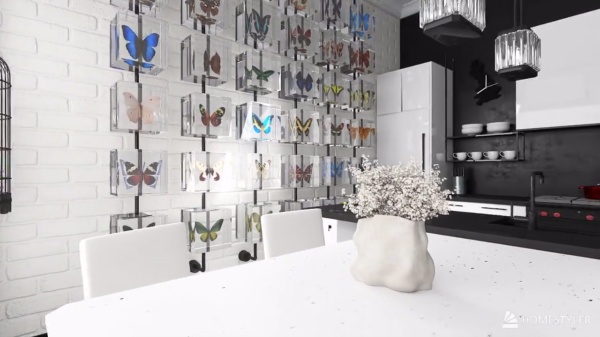
When envisioning kitchen designs in the Philippines, vibrant colors, traditional motifs, and ergonomic layouts often come to mind. Yet, a crucial element that many homeowners tend to overlook is the design of the dirty kitchen, also known as the 'utility kitchen'. This area serves not just as a space for washing dishes or meal preparation but as an extension of your main kitchen that enhances functionality while keeping the mess away from your entertaining spaces. In this article, we will explore innovative strategies for designing a dirty kitchen that align with the needs of Filipino homeowners, reflecting unique cultural aspects and lifestyle requirements. First and foremost, it's essential that a dirty kitchen fosters efficiency. An organized layout is key to ensuring that every necessary tool is within arm's reach. A U-shaped configuration can be especially effective, maximizing counter space and facilitating an efficient workflow. Positioning your stove, sink, and refrigerator in a triangular arrangement streamlines the cooking process. You might also consider using open shelving to keep frequently used items, such as pots and pans, easily accessible while maintaining a tidy look. Integrating local materials can enhance the character of your dirty kitchen. For example, traditional Filipino tiles can be used for the backsplash, or you could incorporate bamboo elements to introduce a touch of nature indoors. These features not only boost the visual appeal but also celebrate Filipino heritage. Furthermore, ventilation is a critical consideration. A well-ventilated dirty kitchen is vital to prevent smoke, odors, and humidity from lingering. Installing windows or a range hood can greatly improve air circulation, making your cooking experience far more enjoyable. Storage is another fundamental aspect of dirty kitchen design. As this area is often designated for meal preparation, keeping it clutter-free is paramount. Opt for cabinets that extend to the ceiling to maximize vertical storage. Pull-out drawers and racks can also assist in organizing supplies for easy access. Additionally, including a designated space for trash bins will help maintain cleanliness and hygiene. Lighting is crucial in any kitchen setting, and the dirty kitchen is no exception. Proper lighting ensures you can operate efficiently, especially during evening cooking hours. Consider installing bright overhead lights or task lighting beneath cabinets to illuminate your workspace effectively. Moreover, incorporating windows can allow natural light to flood in during the day, creating an inviting atmosphere. Finally, let's discuss aesthetics. Despite a dirty kitchen's primary focus on functionality, it can also reflect your unique style. Opt for a color palette that harmonizes with your main kitchen; soft neutrals or bold hues can establish a welcoming environment. Adding decorative touches, such as plants or artwork, can enliven the space. Remember, your dirty kitchen should be an area where you feel both comfortable and inspired to cook. In summary, designing a dirty kitchen in the Philippines revolves around harmonizing functionality with cultural nuances. By thoughtfully considering layout, materials, ventilation, storage, lighting, and aesthetics, you can create a space that serves its practical purpose while also showcasing your personal style. Let your creativity soar as you craft this essential part of your home, and remember, utilizing effective tools and drawing inspiration from resources like Homestyler can significantly enhance the transformation of your dirty kitchen into a delightful culinary haven!
Tips 1:
Keep your dirty kitchen organized with efficient storage solutions and select materials that resonate with your personal style.
FAQ
Welcome to Homestyler!










![Design [4]](https://hs-designs.homestyler.com/production/design/images/07c2de3a-88ec-4be8-8910-ff255b795bc2/1731419398293/7841697.jpg?x-oss-process=image/resize,w_502,m_mfit/format,webp)