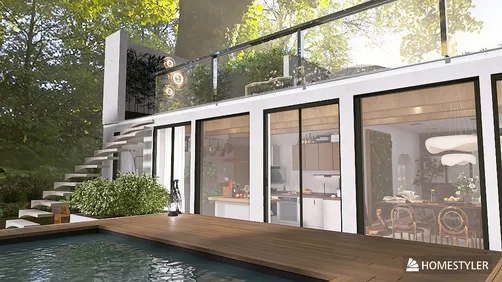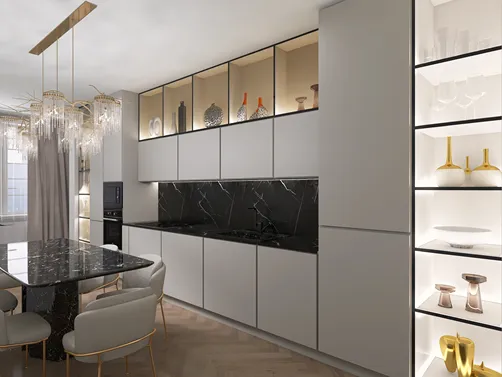
Designing an underground residence is a captivating project that merges imagination with functionality. This distinctive style of housing brings numerous advantages, including enhanced energy efficiency, natural thermal insulation, and a reduced ecological footprint. As you embark on the journey to create your underground retreat, it's important to consider several key elements. First and foremost, site selection is vital. Opt for a location that offers excellent drainage and adequate exposure to sunlight. The surrounding landscape will significantly influence how your underground dwelling interacts with its environment, so think about the topography and existing flora to enhance the visual appeal of your design.
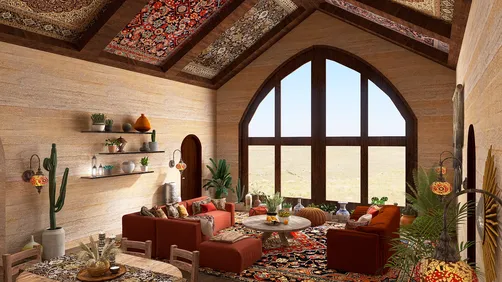
Next, consider the layout. Subterranean homes often embrace open floor plans to make the most of available space. Implement large windows or skylights to introduce natural light into your living areas. This approach not only brightens your home but also establishes a connection with the outside world, alleviating any feelings of confinement that might arise from underground living.
When selecting materials, choose sustainable and robust options capable of enduring the pressures exerted by the surrounding earth. Reinforced concrete is a favored choice, offering both strength and insulation. Additionally, think about integrating green roofing solutions to unify your home with the landscape, fostering a natural habitat for local wildlife.
It's crucial to incorporate energy-efficient systems into your design. Geothermal heating and cooling solutions are particularly suited for underground residences, harnessing the earth's stable temperature to manage indoor climates. Moreover, consider adding solar panels to your setup, which can supply renewable energy and lower utility expenses.
Don’t underestimate the significance of proper ventilation. Effective air circulation is essential in any subterranean home to avoid moisture accumulation and maintain a healthy living space. Installing energy recovery ventilators (ERVs) can ensure a flow of fresh air while minimizing energy waste.
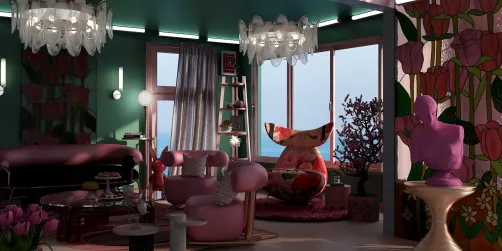
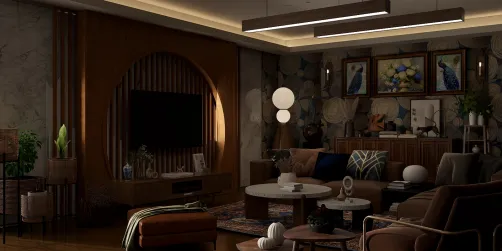
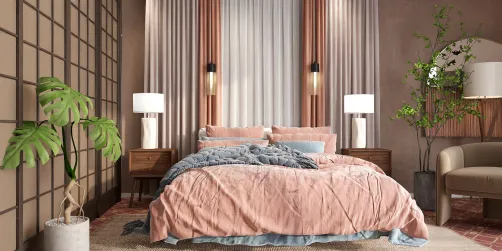
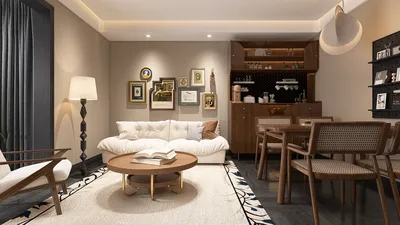
Lastly, remember to design with comfort and personal flair in mind. Just because your home is below ground doesn’t mean it should lack personality. Use vibrant colors, personal artwork, and cozy furnishings to craft an inviting atmosphere. Think about how you can take advantage of the unique characteristics of your underground home, such as wall niches for shelving or innovative lighting solutions that enhance architectural features.
In conclusion, designing an underground home offers a remarkable opportunity to create a sustainable, efficient, and stylish living environment. By thoughtfully considering the layout, materials, energy systems, and personal touches, you can develop a residence that not only fulfills your needs but also harmonizes beautifully with its natural surroundings. Embrace the adventure of underground living and let your creativity flourish, perhaps even utilizing tools like Homestyler to visualize your dream design!
Tips 1:
Engage with local architects or designers who focus on underground homes. Their specialized knowledge can assist you in overcoming the unique challenges associated with subterranean construction.
FAQ
What are the advantages of an underground residence? Underground homes provide energy efficiency, natural insulation, and a lower environmental impact. They also present unique design possibilities and a serene living atmosphere.
How can I ensure proper airflow in an underground residence? By installing energy recovery ventilators (ERVs), you can maintain fresh air circulation while reducing energy loss, ensuring a comfortable and healthy living space.
welcome to Homestyler








![Design [4]](https://hs-designs.homestyler.com/production/design/images/07c2de3a-88ec-4be8-8910-ff255b795bc2/1731419398293/7841697.jpg?x-oss-process=image/resize,w_502,m_mfit/format,webp)