

As I navigate the Poornapushkala Hall, I perceive it as a dynamic instrument, engineered to enhance human experience through its architecture, acoustics, and lighting instead of merely delivering a visual spectacle. The venue's significance is rooted in tangible comfort and performance quality. The WELL v2 framework underscores the importance of acoustic and lighting excellence on the well-being of occupants. It highlights that evenly distributed illumination and environments that minimize glare positively influence cognitive efficiency and mood while ensuring acoustic comfort reduces stress and fatigue. Research by Steelcase indicates that individuals who have more control over their surroundings report up to 88% higher engagement levels—this insight drives my integration of adjustable lighting options, versatile seating configurations, and tailored reverberation zones, empowering both performers and audiences with a sense of autonomy.
The retention and satisfaction of audiences are closely linked to their comfort and the clarity of the environment. Following IES guidelines, I ensure that vertical illumination on audience faces in assembly areas falls within prescribed ranges to enhance facial recognition and navigation while minimizing discomfort and glare. Therefore, I meticulously position luminaires to achieve a balanced vertical illumination across seating areas and pathways. Research conducted by Gensler on experience-oriented environments also connects spatial clarity with perceived value and motivates return visits. I transform these findings into intuitive navigation, unobstructed sightlines, and layered thresholds from the plaza through the lobby into the hall. For anyone seeking in-depth guidance on wellness metrics for cultural venues, the WELL Building Standard (WELL v2) remains a comprehensive resource focusing on acoustics, lighting, and thermal comfort.
Designing the Hall: Intent and Spatial Narrative
My design narrative interprets the hall as a journey through various social gradients: beginning with a public forecourt, transitioning into a semi-public lobby, then through antechambers before reaching the performance chamber. Each threshold enhances acoustic and lighting control while minimizing visual distractions. This orchestration cultivates a sense of arrival—creating a moment of anticipation in the lobby followed by an uplifting release in the main space—so the performance area feels ceremonial rather than overwhelming.
Planning the Hall: Sightlines, Flow, and Flexibility
I utilize C-value assessments for the seating layout to ensure unobstructed sightlines to the stage from all rows, adhering to local building codes for riser heights and ergonomic comfort. Aisles are staggered to maintain clear views and use contrasting nosings for safe movement in low light. Separating backstage flow from audience pathways keeps backstage areas private and minimizes cross-traffic. When tweaking layouts or evaluating seating bowl configurations, I frequently employ an interior layout planner, akin to using a room layout tool, to simulate viewing angles, aisle widths, and potential congestion zones.
Acoustic Strategy: Clarity, Warmth, and Control
The acoustic design objectives balance the need for clear speech during lectures with richness suitable for music. I aim for a mid-frequency reverberation time that can be adjusted via movable banners or retractable draperies. Geometries on the rear wall diffuse sound energy, preventing feedback issues, while sidewall reflectors channel early sound to the audience to enhance their experience. Absorption materials underneath the balcony mitigate low-ceiling impacts. Mechanical systems operate on low-velocity air distribution to meet noise criteria, creating a quiet foundation for intimate performances.
Lighting Environment: Layers, Color, and Glare Management
I conceptualize light as an intricate choreography. Ambient layers (such as indirect cove lighting and wall washes) establish the basic illumination; task-specific layers (like aisle markers and lectern lights) ensure safety; and accent layers draw focus to stage elements and architectural details. Color temperature transitions from 3000K in social zones of the lobby to a neutral 3500K–4000K during performances, maintaining a high CRI for accurate representation of materials and skin tones. Effective glare control is essential: using shielded optics, cut-off angles above 30 degrees, and appropriately positioned baffles guarantees viewers’ visual comfort and highlights the performers on stage.
Materials and Cultural Expression
The selection of materials defines the hall's character. I favor locally sourced timber for its warmth and sound diffusion qualities, mineral plaster for its subtle reflectivity, and resilient textiles that enhance acoustic performance while providing tactile comfort. Patterns and motifs inspired by local craftsmanship are incorporated in screens and balustrades, imparting a sense of heritage to the modern structure. Finishing options are chosen for their low VOC emissions and durability, aligning environmental sustainability with health-conscious design.
Ergonomics and Human Considerations
Design decisions regarding seat widths, armrest heights, and row spacing are informed by anthropometric data to ensure comfort across different body shapes. I contour seatbacks to support the natural thoracic curve during extended performances, and I create relief areas at key intersections to alleviate crowd density. Features like railings, tactile indicators, and user-friendly signage streamline navigation, and designated quiet areas offer sensory relief without isolating patrons from the event.
Wayfinding and Behavioral Patterns
As crowd densities change over time, so do behaviors. Pre-show, audience members seek swift navigation; hence, I implement large-number seat bands, floor graphics that align with major aisles, and unobstructed sightlines to concessions to minimize indecision. During intermissions, I allocate amenities across the venue to avoid crowds. After shows, exit lighting and subtle acoustic cues guide guests smoothly outside, facilitating their transition back into the urban landscape.
Sustainability and Operations
I design with the entire lifecycle in mind: incorporating durable finishes in high-traffic areas, using modular seating to simplify maintenance, and developing lighting strategies that optimize efficiency with dimmable sources, all linked to occupancy and daylight sensors in common areas. Whenever feasible, I incorporate mixed-mode ventilation in lobbies and heat recovery strategies in back-of-house systems. Ensuring that the hall operates effectively is paramount; no design can thrive without proper calibration and commissioning.
Technology Integration
The AV infrastructure is built to be adaptable: with sufficient conduits, accessible catwalks, versatile rigging points, and a distributed power and data grid. The control system integrates lighting scenes with house audio, paging operations, and emergency protocols, allowing the staff to shift seamlessly from rehearsals to lectures to concerts with minimal reprogramming requirements. My goal is to keep user interfaces straightforward; top-notch technology should blend seamlessly into a proficient operational framework.
From Concept to Reality: Visualization and Assessment
Utilizing early mock-ups and digital simulations bridges the gap between conceptual ideas and practical execution at the seat level. I analyze contrast ratios on stage, verify the legibility of signage at typical sightlines, and assess the undersides of balconies for glare issues. For layout evaluations and circulation stress analyses, tools like an interior layout planner assist in visualizing potential bottlenecks before they necessitate costly construction modifications.
FAQ
I implement adjustable sound absorption solutions (banners, drapes) alongside tuned diffusion strategies to modify reverberation time: finer for lectures to enhance clarity, slightly longer for music to maintain warmth and encompassing sound.
Achieving balanced vertical illuminance for recognizing faces, managing luminance ratios between the stage and audience, and stringent glare control through shielded optics and precise cut-off angles. IES standards provide valuable recommendations for reaching these objectives.
The design features a raked bowl layout with consistent C-values throughout, staggered seating, and carefully determined riser heights. I avoid continuous straight aisles that disrupt ideal views and favor split aisles with landings to mitigate visual disturbances.
Concessions and restrooms are strategically located along evenly distributed nodes, with bars sized for peak demand, complemented by clear banded signage. By providing multiple short pathways instead of one prolonged queue, I aspire to reduce perceived wait times.
Using warmer light in lobby areas promotes social interaction, while neutral or slightly cooler light on stage enhances visual clarity and contrast. A high CRI ensures faithful representation of skin tones and material details.
Providing multiple accessible seating positions throughout different price zones, companion seating options, tactile wayfinding elements, handrails at appropriate heights, and quiet rooms for sensory needs are essential for inclusivity. Seat labeling and signage feature high-contrast typography for improved readability.
Employing high-efficiency dimmable fixtures, demand-responsive ventilation systems, and occupancy/daylight sensors in communal spaces, alongside pre-scheduled lighting scenes to lessen unnecessary energy use during rehearsals or setups.
Incorporating expanded conduits, modular racks, standardized connectors, and service paths. A cohesive control framework that adapts firmware and scene libraries maintains the venue's agility for diverse events.
The use of timber and acoustic panels fosters diffusion and warmth, mineral plaster offers reflective controls, and performance textiles along corridors provide footfall absorption and ease of maintenance.
Conducting full-scale signage mock-ups at eye level, performing timed walkthroughs from entry to seating, and simulating crowd dynamics with digital models unveils overcrowding areas and ambiguous decision-making points.
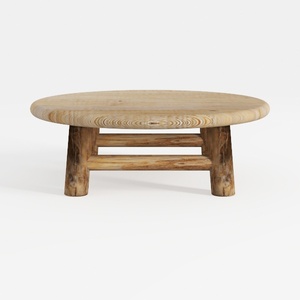

Rustic Solid Wood Round Coffee Table 3D Model

Minimalist Solid Wood Linen Fabric Three Seat Sofa 3D Model
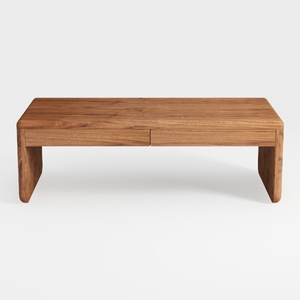
Minimalist Solid Wood Two Drawer Coffee Table 3D Model
Looking to redesign your space effortlessly? Try Homestyler! This online home design platform offers a user-friendly design tool, stunning 3D rendering, diverse design projects, and practical DIY video tutorials. Unleash your creativity and transform your home with ease—no professional expertise needed!
Progetta ora GRATIS
































