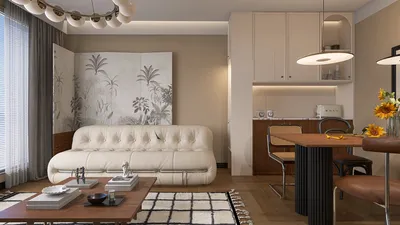


When designing mud rooms, the goal is to create a seamless barrier between the outdoors and your home’s tidy interior, particularly with dogs forming the core of all choices. The ideal mud rooms for dog owners utilize resilient materials, thoughtful storage solutions, and layouts tailored to handle wet paws, pet gear, and grooming tasks with ease, enhancing your everyday experience with the help of tools like Homestyler.
Functionality is essential. In professional environments, disorganization can diminish productivity by as much as 15%, a principle that applies at home, especially with pet equipment and cleaning routines; refer to **Steelcase wellbeing research** for insights into the benefits of orderly settings. Lighting is crucial too: areas designated for tasks such as wash stations should achieve 300–500 lx according to **IES lighting guidelines**, alleviating strain and enhancing visibility for grooming. I focus on establishing distinct storage areas alongside glare-reducing lighting to ensure mud rooms are both effective and serene.
Comfort is a pivotal factor in behavior. The WELL v2 framework prioritizes thermal and acoustic comfort as essential elements of wellbeing, including for dogs—maintaining consistent temperatures and minimizing noise can alleviate stress during grooming sessions. For a deeper understanding, check the **WELL v2 program overview** on environmental essentials. For color selections, soft greens and muted neutrals foster a sense of calm, aligning with insights from **Verywell Mind color psychology** on low-arousal hues. I incorporate these calming colors to help dogs transition smoothly before, during, and after outdoor excursions.
Establishing the Workflow First
I delineate four distinct micro-zones: entry point, drying and cleaning area, gear storage, and transitioning space into the house. This organized flow prevents cross-traffic and keeps dirt from spreading. If you're experimenting with designs, a basic room layout tool can effectively simulate door movements, clearances, and bench locations.
Position a boot tray and towel hook right inside the entrance. A 3–4 ft mat with a scraper texture captures dirt before paws reach the main floor. To prevent door swings from colliding with your dogs, ensure there’s a 36–42 inch landing zone available.
A raised wash station (ideal deck height between 16–20 inches for medium breeds) is beneficial for your back and helps stabilize dogs. Equip it with a pull-out sprayer that has thermostatic mixing to avoid temperature surprises. A wall-mounted hand dryer producing low decibels and featuring a two-speed option reduces noise stress, which is vital in maintaining acoustic comfort as endorsed by WELL standards.
Store leashes, harnesses, raincoats, and towels in shallow, well-ventilated cabinets. I recommend upper cabinets with a depth of 12–15 inches and base drawers at 16–18 inches deep for easy accessibility. Label bins for seasonal items; keeping things visible lowers cognitive load and expedites routines, a concept supported by organizational studies from **Herman Miller Working Well**.
A half-height gate can slow down enthusiastic entries and allow a moment for drying paws. Place it before the main house door to prevent muddy sprints. Complement the gate with a bench on the mud room side to encourage a pause before entering.
Lighting Considerations: Lux, Color, and Glare Management
Task areas around the wash station should meet the lighting requirement of 300–500 lux, as outlined by **IES standards**. Opt for 3000–3500K LEDs to provide a warm-neutral light that accurately reflects skin and fur tones without appearing clinical. Add indirect wall grazing for vertical lighting—this enhances visibility of splashes and minimizes shadows on the dog. Maintain a low UGR by using diffusers or prismatic lenses, as high-glare fixtures complicate grooming and may distress sensitive dogs.
Ergonomics: Heights, Clearances, and Grip
An 18–19 inch bench height works well for sitting and drying paws. Wash decks should vary in height based on dog size: 12–14 inches for small breeds, 16–20 inches for medium, and 22–24 inches for larger dogs, including options for ramps or two-step setups for older dogs to ease strain. Maintain a minimum aisle clearance of 36 inches; 42–48 inches is preferable for two-person handling. It's best to use textured, anti-slip flooring with a PTV of ≥36 (when wet) wherever possible to provide secure footing.
Durable Materials for Mud, Water, and Claws
I recommend non-porous, easy-clean surfaces. For flooring, use porcelain tile (PEI ≥ IV for scratch resistance) or rubber sheets with heat-welded seams to ensure watertight integrity. Avoid polished finishes—opt for matte or honed textures that can conceal scuffs. Wall areas near the wash station should utilize large-format porcelain or solid-surface panels to reduce grout. Cabinet fronts can be high-pressure laminate or thermally fused laminate, and interiors should be moisture-resistant. Countertops should consist of compact laminate or solid surface to prevent swelling and utilize silicone seals at junctions, slightly sloping surfaces to an elongated linear drain.
Acoustic Comfort
A quieter environment can make rinsing easier. Use rubber flooring, acoustic ceiling tiles (NRC 0.7+), and soft bumpers on cabinet doors to minimize noise. For any dryers included, select low-noise models and mount them away from hard corners to reduce sound amplification.
Storage Architecture
- A tall locker for coats and longer leashes (24 inches wide)
- A shallow wall grid for collars and clickers (positioned at 48–54 inches high)
- Two towel drawers adjacent to the wash station (top drawer should be within immediate reach)
- A closed bin for food and treats, positioned away from moisture-prone areas
- Ventilated cubbies for wet items; perforated panels enhance airflow
- A lidded, easy-to-clean trash pull-out for disposing of used wipes and hair
Three Layouts I Recommend Repeatedly
Ideal for narrow entries. Align the outer wall with bench seating, hooks, and shallow storage; position the wash station at one extremity to contain splashes. Ensure 42 inches of clearance in front for smooth circulation. Use a room layout planner to assess ramp space and door swings.
Placing the wash station in the corner helps keep the spray contained while providing two adjacent walls for leash hooks and towel racks. A bench runs along the longer side; tall storage should be placed on the shorter leg. A half gate on the internal opening establishes a pause zone prior to entering the home.
For homes featuring both yard and garage access, a galley mud room preserves a direct workflow: enter—dry—wash—gear—exit. Install a linear drain positioned centrally between the aisles with sloped flooring on both sides to capture any water effectively.
Water Management and Hygiene
Ensure floors slope at 1–2% toward a linear drain located near the wash station. Select hand sprayers equipped with backflow prevention. Install a dedicated hose bib and an inline filter to safeguard fixtures. Ventilation should achieve 6–8 ACH to eliminate humidity; consider using a timer or humidity sensor. Store disinfectants in a closed caddy positioned 60 inches or higher if you have inquisitive dogs.
Utilizing Color Psychology for Relaxed Transitions
Soft greens, warm grays, and desaturated blues can diminish arousal according to **color psychology research**. I pair these soothing colors with light wood accents to convey warmth without overwhelming visual stimuli. High-chroma reds should be avoided in grooming spaces as they may elevate stress and appear harsh under cool lighting.
Thermal Comfort Consistency
Radiant floor heating effectively keeps paws dry and encourages dogs to pause. A small convector beneath the bench prevents drafts. Maintain wash water at a comfortable 100–105°F by utilizing a thermostatic valve to protect sensitive skin during bathing.
Ensuring Safety and Accessibility
Incorporate rounded corners on millwork, non-slip ramps with a maximum angle of 20–25°, and secure tie-off points near the wash station for safer handling. Implement child-proof latches for chemical storage. For older dogs, provide a wider platform with side rails and a textured mat to facilitate safer access.
Strategies for Small Spaces
In compact homes, maximize functionality by incorporating a fold-down grooming shelf, under-bench drawer for towels, and an in-wall niche for sprayer storage. A pocket door saves valuable space, while a corner gate can still create a transition moment before dogs rush in.
The Maintenance Playbook
Weekly tasks should include wiping down walls near the wash station, laundering mats, and cleaning drains. Monthly, check sealant lines and reseal grout as necessary. Quarterly, inspect ramp grip, adjust cabinet hinges, and replace worn towels and brushes. Developing simple habits keeps the space tidy and functional.
Future-Proofing Additions
Incorporate extra blocking behind walls to prepare for future hooks and rails. Leave a capped drain outlet in case a second wash station is needed down the line. Introducing a smart switch for lighting scenes—bright for washing, warm-dim for relaxation—can enhance usability.
Budget Considerations
Prioritize spending on flooring (for durability), followed by wash hardware (consider thermostatic control, quality of sprayers), then storage (ventilated, within easy reach). Lighting and acoustic enhancements should come afterward as they elevate everyday usability.
Frequently Asked Questions
Aim for 300–500 lux in task areas, in line with **IES guidelines**. Combine diffuse ceiling lighting with wall-mounted task light for effective vertical illumination.
Choose porcelain tile with a matte finish or rubber sheet flooring for durability against scratches and proper installation to safeguard against water infiltration.
For small dogs: 12–14 inches; medium dogs: 16–20 inches; large dogs: 22–24 inches. Consider incorporating a ramp or low steps for senior or larger breeds to alleviate joint strain.
Utilize rubber flooring, soft-close mechanisms, and a low-noise dryer positioned away from corners. Acoustic ceiling materials with NRC 0.7+ contribute to sound absorption.
Install shallow cabinets (12–15 inches) with labeled bins to keep gear visible and easily accessible. Elevate hooks to 48–54 inches for convenience without crowding the visual space.
Soft greens, warm grays, and gentle blues harmonize with low-arousal color schemes discussed in **color psychology literature**. Avoid high-chroma reds in grooming areas for a more soothing atmosphere.
Yes, radiant heating is beneficial in drying moisture quickly, maintaining comfort for dogs while significantly reducing slip risks. Pair with a small convector for draft prevention.
Ensure floor slopes by 1–2% toward a linear drain, employ backflow-protected sprayers, and aim for 6–8 ACH ventilation using a humidity sensor or timer.
For compact spaces, employ a single-wall layout with fold-down grooming surfaces, under-bench drawers, and a pocket door. Utilize a corner gate to facilitate the pause zone effectively.
Utilize tall lockers, towel drawers, ventilated cubbies for wet gear, and an easy-to-access lidded trash pull-out system to keep your space clutter-free. Keep food and treats away from humid areas.
A half-height gate serves as an effective control point to manage entry, allowing for paw drying and preventing muddy sprints indoors.
A pull-out sprayer equipped with thermostatic mixing ensures a consistent temperature and provides better control for rinsing paws and undercoats effectively.
What began as an Autodesk innovation has evolved into a design platform used by more than 18 million people around the globe. Homestyler combines powerful rendering, an intuitive editor, and a vast furniture library to help you turn inspiration into photorealistic designs — whether you're redesigning a single room or planning an entire home.
Homestyler is your go-to online home design platform! With its user-friendly design tool, stunning 3D renderings, and a wealth of inspiring design projects and video tutorials, you can effortlessly create and visualize your dream space. Start your design journey today!
Дизайн сейчас бесплатно
































