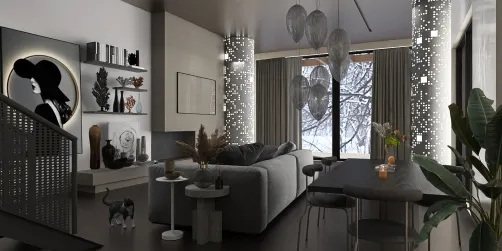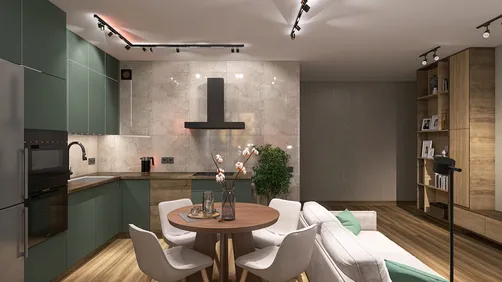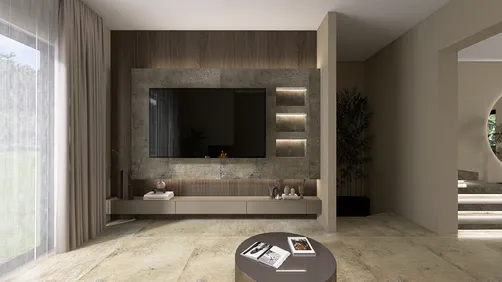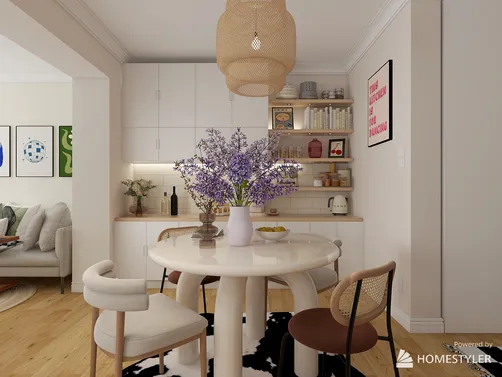
Creating an efficient layout for a pediatric office is essential in fostering a friendly and comforting atmosphere for both children and their families. An effectively designed pediatric office not only enriches the patient experience but also enhances operational workflow for healthcare providers. Here are some important aspects to consider regarding pediatric office design that can seamlessly incorporate tools like Homestyler for visualization:
1. Establish an Inviting Entrance
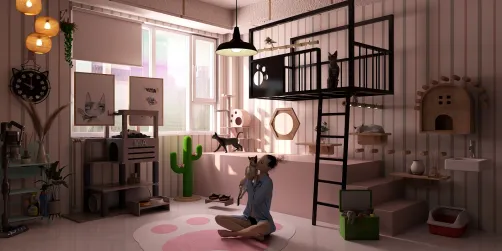
The entrance of a pediatric office plays a pivotal role in shaping the overall experience. Utilizing bright colors, playful designs, and interactive features can significantly alleviate children's nervousness. Consider implementing a small play area right at the entrance to immediately engage young patients.
2. Enhance Waiting Areas
Waiting rooms should cater to the needs of both children and their parents. By providing a variety of seating arrangements, including vibrant bean bags and conventional chairs, the area becomes more inviting. Additionally, incorporating toys, books, and interactive screens can keep children entertained during their wait.
3. Design Functional Examination Rooms
Examination rooms need to be constructed for maximum productivity and comfort. Furnish these spaces with child-sized furniture and ensure that medical instruments are easily accessible while prioritizing safety. Employ soothing colors and art to create a calming environment that minimizes anxiety for young patients.
4. Introduce Family-Centered Spaces
Creating areas specifically designed for families is a vital component of pediatric office planning. Private consultation rooms where parents can openly discuss their children’s health concerns with healthcare professionals foster communication and support for families.
5. Streamline Staff Workflow
To deliver high-quality care, it’s crucial that staff can move efficiently throughout the office space. Ensure clear pathways between examination rooms, waiting areas, and administrative offices. Utilizing a centralized nursing station can provide staff with quick access to necessary supplies and support.
6. Prioritize Safety
Safety in pediatric office design is paramount. Use materials that are easy to clean and durable. Ensure all furnishings are child-safe, avoiding sharp edges and detachable parts. Installing childproof locks on cabinets that store medical supplies is also advisable.
7. Embrace Flexibility and Adaptability
As the demands of a pediatric practice can evolve, it’s essential to design flexible spaces. Opt for modular furniture and movable partitions that can be reconfigured to suit various services or accommodate fluctuating patient volumes.
FAQ
Q: How can I create a more engaging pediatric office environment for children? A: By incorporating vibrant colors, playful graphics, and interactive features into the space. Additionally, providing toys and a designated play area can enhance the experience.
Q: What must-have features should a pediatric examination room include? A: Essential features include child-sized furniture, calming decor, and easily accessible medical tools, all while ensuring safety for young patients.
Q: Why is the role of family space important in a pediatric office? A: Family spaces are crucial for confidential discussions regarding health matters, ensuring family members feel supported throughout their visit.
Explore the best-in-class office design solutions using top software like Homestyler to visualize and implement these ideas effectively.