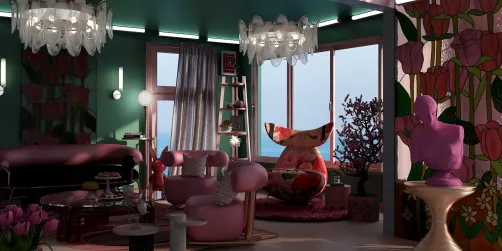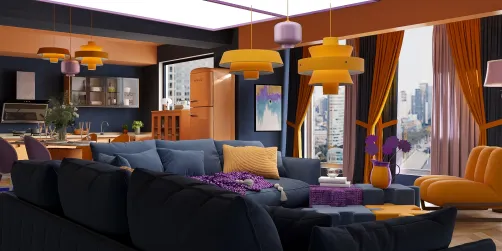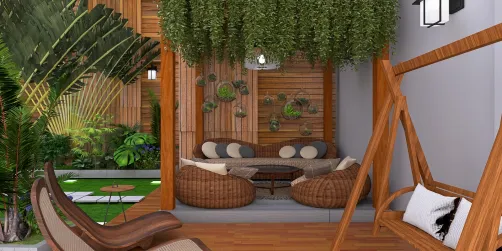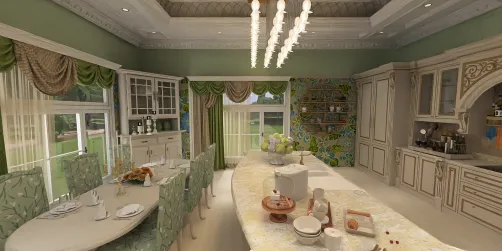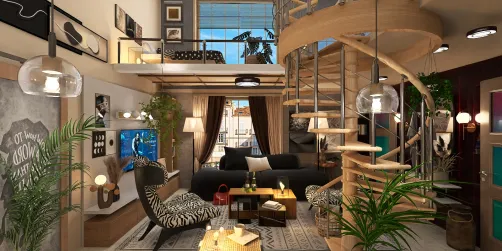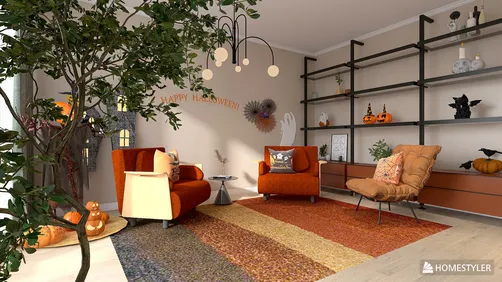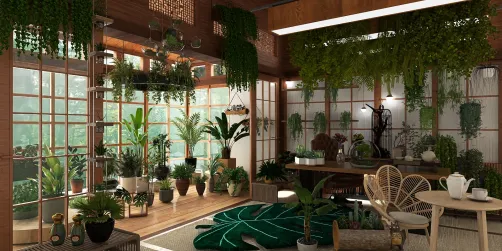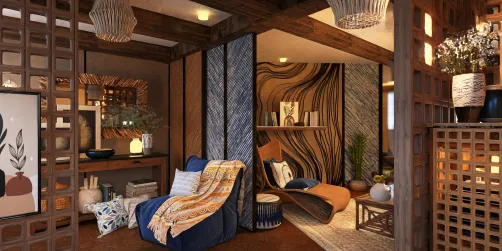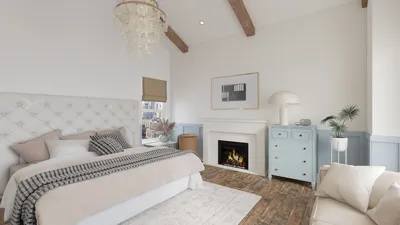
Interior design transcends the mere arrangement of furniture or the selection of paint hues; it represents a sophisticated amalgamation of art and science that mirrors your personal taste while accommodating practical needs. By comprehending the underlying philosophy of interior design, you can transform your living environment into a cohesive setting that aligns with your lifestyle. Whether you're new to the world of design or have extensive experience, understanding the principles of design philosophy can significantly improve your creativity and decision-making abilities. At its essence, design philosophy involves curating spaces that both evoke feelings and fulfill functional requirements. It encompasses the delicate equilibrium between visual appeal and practicality. An effective design should not only be aesthetically pleasing but also practical and comfortable. This philosophy manifests in various design trends, such as minimalism, which focuses on simplicity, or maximalism, which accentuates richness and complexity. A vital facet of design philosophy revolves around the notion of space and its impact on the human experience. Designers frequently contemplate how varying spaces can affect emotions, productivity, and interpersonal interactions. For example, open floor plans foster collaboration, while intimate nooks allow for comfort and reflection. Recognizing how diverse layouts and designs influence everyday life can promote more intentional and thoughtful design selections. Sustainability is becoming an increasingly crucial part of design philosophy as eco-consciousness rises. Designers are adopting environmentally friendly methodologies in their work, including utilizing sustainable materials, implementing energy-efficient systems, and creating designs with longevity in mind rather than disposability. A sustainable design philosophy not only aids the environment but also cultivates healthier living conditions for inhabitants. The influence of culture and context is paramount in shaping design philosophy. Each area possesses distinct historical and cultural environments that inform design choices. For instance, Scandinavian design is celebrated for its functionality and simplicity, while Mediterranean design often features vibrant colors and textures. Recognizing these cultural subtleties can enrich your design methodology and enable you to craft spaces that feel genuine and connected to their backdrop. Color theory also plays a pivotal role in design philosophy. Colors not only generate emotions but can also drastically alter a space's perception. Warm tones such as red and yellow can instill a sense of warmth and vitality, while cool palettes like blue and green can induce tranquility and calm. A designer must consider how their color selections align with the overarching philosophy and purpose of the space. Ultimately, personal expression remains a fundamental component of interior design philosophy. Your home should embody who you are and the values you hold dear. Integrating personal artifacts, art, and furnishings that narrate your story can elevate a space from merely functional to profoundly meaningful. Embrace your individual style and allow it to shape your design choices. To sum up, grasping design philosophy is vital for developing environments that are not only visually captivating but also functional and representative of your personal identity. By weighing the balance of aesthetics and practicality, the influence of space on human experience, sustainability, cultural nuances, color theory, and personal expression, anyone can refine their design perspective. So, whether you are planning a small enhancement or a full-blown renovation, let these principles assist you in creating an ideal space that feels like home, and consider using tools such as Homestyler to help conceptualize your vision.
Tips 1:
Begin with a definitive vision of what you desire from your space.
FAQ
Welcome to Homestyler