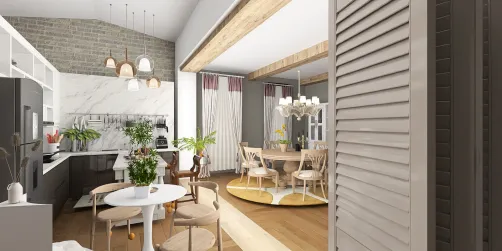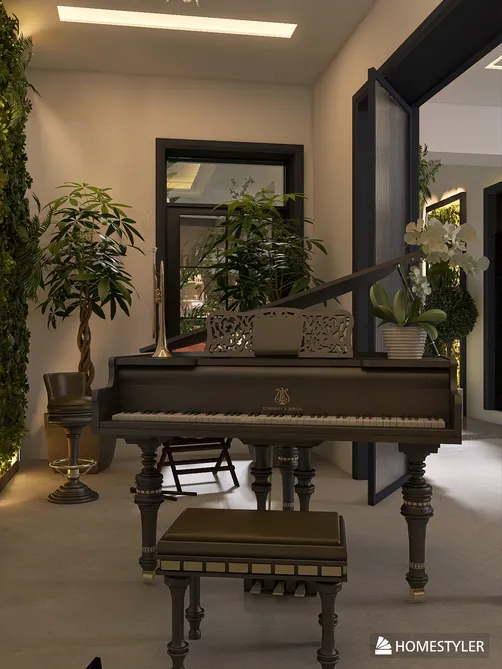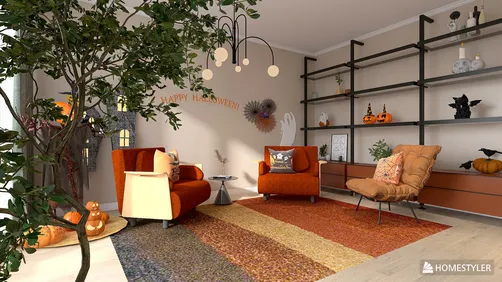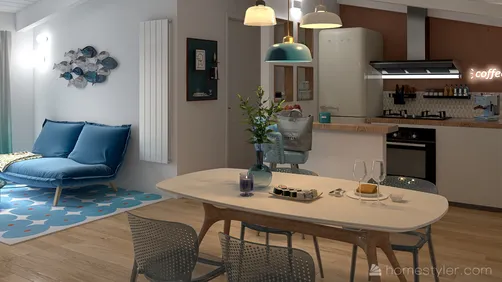
In the realm of interior design, decorative door trim molding plays a pivotal role, particularly in compact areas where every detail has significance. As an experienced interior designer, I advocate that limited spaces do not necessitate a reduction in aesthetic appeal. On the contrary, such areas can be reimagined into attractive environments with optimal design selections. This piece will delve into the diverse types of decorative door trim molding, its advantages, and guidance on selecting the ideal trim for your residence while utilizing tools like Homestyler for visualization.
Exploring Decorative Door Trim Molding
Referred to as casing, decorative door trim molding fulfills both visual and practical roles. It outlines the door, amplifying its beauty while concealing the gap between the door frame and the surrounding wall. The right choice of trim can significantly enhance the ambiance of your room, infusing unique character into your space.
1. **Traditional Casing** - Characterized by intricate profiles, this type is commonly used in classic-style interiors.
2. **Modern Casing** - Features a sleek, clean design, making it ideal for contemporary interiors.
3. **Flat Casing** - A minimalist choice that can create an illusion of space, particularly effective in smaller areas.
4. **Backband Casing** - Introduces depth and dimension to the overall appearance of the door frame.
Selecting the Perfect Trim for Your Interior
When opting for decorative door trim molding, keep the following aspects in mind:
The overall design style of your room should influence your trim selections. Ornate casings complement traditional themes, whereas modern aesthetics are best suited with straightforward lines.
Choose hues that harmonize with your current decor. Materials like wood, MDF, and PVC are favored options, each offering distinct advantages for varying styles.
In confined spaces, it’s advisable to select slimmer trims that will not overwhelm the door or the surrounding area.
Installation Guidance for Decorative Door Trim Molding
Installing decorative door trim molding can be a rewarding DIY experience if equipped with the appropriate tools and some patience. Here’s a straightforward guide:
Precise measurements are fundamental. Utilize a miter saw for accurate corner cuts at 45-degree angles.
Employ finishing nails to firmly attach the trim to both the wall and door frame, ensuring a seamless fit against the surfaces.
Seal any gaps with caulk, then paint the trim to align with your design aspirations, enhancing the overall look of your space with the help of Homestyler.
Frequently Asked Questions
Q: What advantages does decorative door trim molding offer?
A: Decorative door trim molding not only boosts the visual charm of a room but also adds personality and conceals wall imperfections around the door.
Q: Is it feasible to install decorative door trim molding by myself?
A: Absolutely! With the right tools and clear instructions, you can confidently take on this cost-effective home enhancement project.
Q: Which materials are optimal for door trim?
A: The most commonly used materials include wood, MDF, and PVC. Your selection will vary based on your budget and the desired aesthetic.
Welcome to Unlock 10,000+ Free Home Design Ideas with Homestyler!