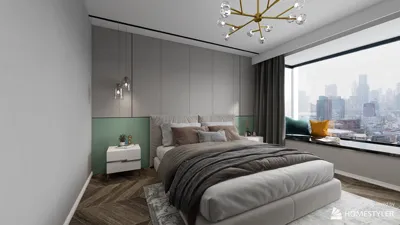


I've always maintained that limited spaces can ignite immense creativity in design. Throughout my over 10 years in the field of interior design, I've witnessed how shades of yellow can turn living rooms into warm, welcoming, and uplifting havens. Currently, this trend is thriving, as vibrant colors from Pantone are resurfacing in numerous contemporary interiors. Today, I’ll present 10 creative yellow living room ideas that I've successfully implemented in various projects, blending personal anecdotes with practical advice, allowing you to craft your own sunny retreat at home with tools like Homestyler.
1. Soft Mustard Walls to Create a Cozy Glow
My Experience: I once designed a cozy apartment where the mustard yellow walls contributed to a warm yet lively ambiance in the living room. We complemented it with light grey furnishings for a harmonious balance.
Advantages: Mustard shades foster a snug atmosphere and coordinate beautifully with neutral tones. They maintain a consistent mood, whether in natural light or under lamps.
Disadvantages: Overdoing it can make the area feel cramped. Utilizing accent walls can help counteract this effect.
Suggestion: For a sleek minimalist aesthetic, consider pairing mustard paint with wooden accents to introduce a natural feel.
2. A Yellow Sofa as a Focal Point
My Insight: During one renovation, a striking canary yellow sofa stood out as the centerpiece of the room, instantly uplifting everyone’s spirits upon entry.
Benefits: A vibrant sofa can anchor the room’s design, and yellow harmonizes well with navy, emerald green, or monochrome schemes.
Drawbacks: It requires regular maintenance, as bright upholstery may showcase stains more easily.
3. Accent Chairs in Lively Yellow Tones
My Insight: For clients hesitant to commit to large yellow pieces, I introduced golden-toned armchairs. They inject a cheerful vibe without overwhelming the space.
Advantages: They’re easy to replace or reupholster, making them ideal for renters and seasonal decor changes.
Disadvantages: They may appear mismatched if the surrounding colors aren’t well-coordinated.
4. Color Blocking with Yellow and Grey
My Insight: This combination brings sophistication. In a compact loft, I painted the lower wall grey and the upper wall in a warm yellow to create depth.
Advantages: It visually expands the space; grey tones can calm the brightness of yellow.
Disadvantages: Precise paint lines are necessary to avoid an untidy appearance.
5. Sunshine Curtains for Enhanced Light
My Insight: Yellow curtains filter sunlight in a glorious manner, creating a warm, golden glow throughout the room—like an endless golden hour.
Advantages: They provide an affordable, temporary way to experiment with color and brighten even the cloudiest of days.
Disadvantages: Some materials may fade with time, so selecting UV-resistant fabrics is advisable.
6. Merging Yellow with Natural Textures
My Insight: Yellow against materials like rattan, jute, or raw wood imparts an organic warmth that I've found works perfectly in both rustic and contemporary designs.
Advantages: Natural elements add textured depth and are easy to upkeep.
Disadvantages: If not balanced correctly, the look can become too casual or beachy.
Idea: Layer yellow cushions on a rattan settee to beautifully complement light oak flooring and woven rugs.
7. Bold Artwork Featuring Yellow Accents
My Insight: I've successfully encouraged hesitant clients to incorporate yellow through artwork, which can easily be replaced if they tire of it.
Pros: It's a flexible, non-permanent option and supports local artists or allows for fresh prints.
Cons: Smaller artworks might not provide enough visual impact on their own.
8. Yellow Rugs for Space Definition
My Insight: In open-concept apartments, a patterned yellow rug can clearly define the living area, anchoring the seating arrangement.
Benefits: They add comfort and enhance warmth in the overall palette.
Drawbacks: Light yellow rugs may require more maintenance in homes prone to spills.
9. Metallic Gold Details for a Touch of Glam
My Insight: Sometimes, I enhance a space with gold-toned lamps, frames, or side tables, introducing warmth with a splash of elegance from yellow.
Advantages: This timeless look pairs beautifully with jewel tones and darker walls.
Disadvantages: Oversaturation can easily lead to an overly gaudy look—less is often more with metallics.
10. Layering Different Shades of Yellow
My Insight: Combining buttery, lemon, and mustard shades adds dimension—similar to a project where I draped a soft lemon throw over a mustard couch.
Pros: This technique creates a sophisticated, curated appearance, avoiding a flat single-tone look.
Cons: Careful color balancing is crucial; conflicting undertones may be visually jarring.
Consider layering yellow textiles with neutrals to maintain a serene atmosphere, akin to how tonal palettes function in modern minimal interiors like those designed with Homestyler.
Conclusion
Embracing a yellow living room is about making thoughtful and uplifting choices that infuse your space with brightness and personality. Research in Colour Psychology indicates that yellow stimulates mood and creativity, making it ideal for social settings. Which of these concepts would you eagerly implement in your own home?
FAQ
1. What makes yellow a good choice for a living room?
Yellow is associated with warmth and vitality, making it ideal for gatherings. Its versatility enables easy coordination with both light and dark colors.
2. Which yellow shade is suitable for smaller spaces?
Lighter yellows, like buttercream, visually expand a room, while mustard adds warmth without the risk of feeling cramped.
3. How can I prevent yellow from dominating my space?
Utilize it as an accent through furniture or textiles, balancing it with neutral colors like grey, white, or natural wood tones.
4. Is yellow compatible with minimalist designs?
Definitely—when paired with clean lines and neutral backgrounds, yellow can serve as a captivating focal point without causing clutter.
5. Do yellow living rooms influence mood?
Indeed—Environmental Color Research suggests that yellow fosters positivity and creative thought.
6. What are cost-effective methods to introduce yellow?
Items like curtains, decorative pillows, art prints, and small rugs are budget-friendly options that introduce color.
7. Can yellow be combined with vibrant colors?
Yes—consider pairing it with cobalt blue, emerald green, or charcoal for striking contrast.
8. How can I create a luxurious feel with yellow?
Pair it with luxurious fabrics such as velvet and gold accents; for layout inspiration, explore design layering in well-coordinated spaces.
Homestyler is your go-to online home design platform! With its easy-to-use design tool, stunning 3D renderings, and rich library of DIY video tutorials, you can effortlessly create and visualize your dream spaces. Start designing with confidence today!
立即免费设计
































