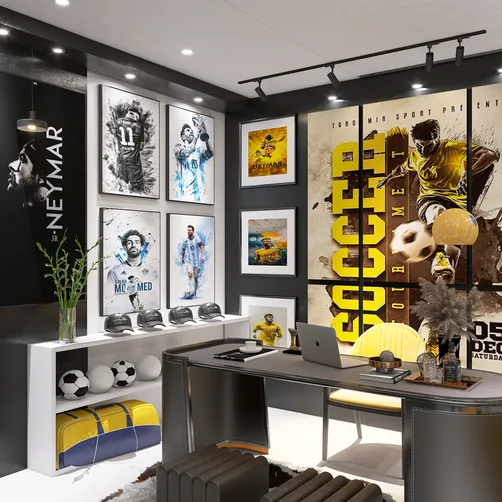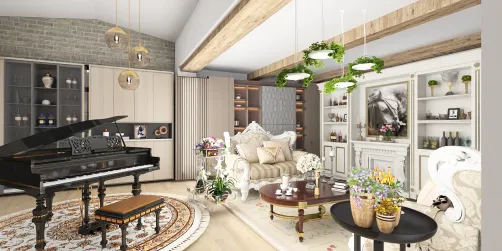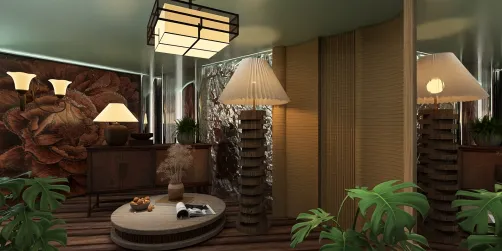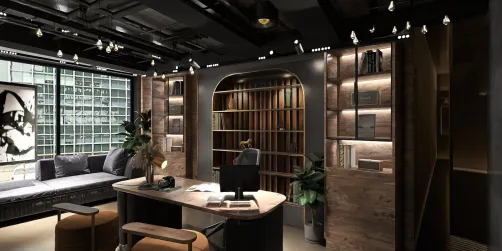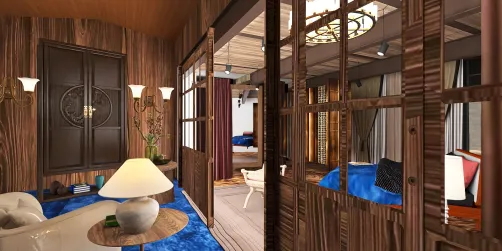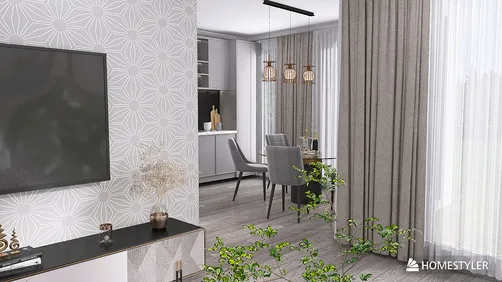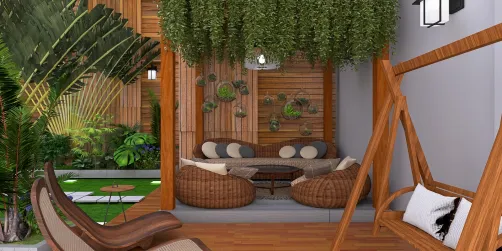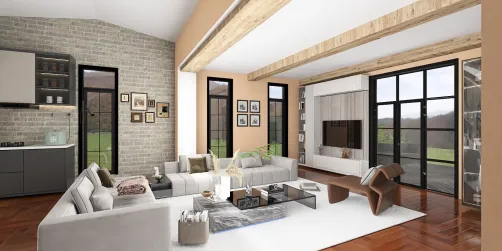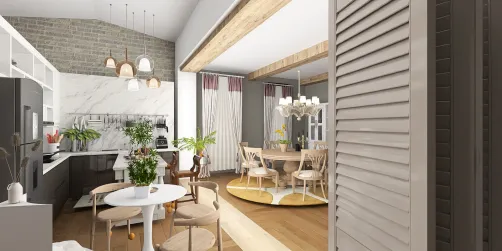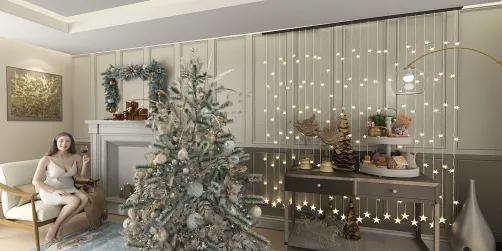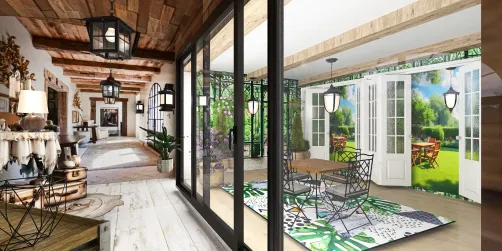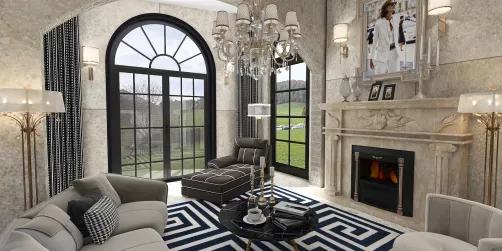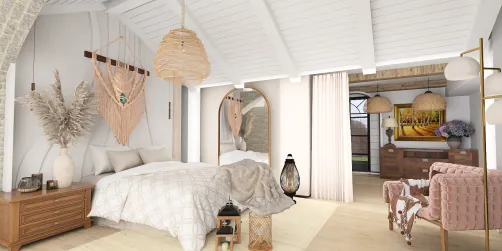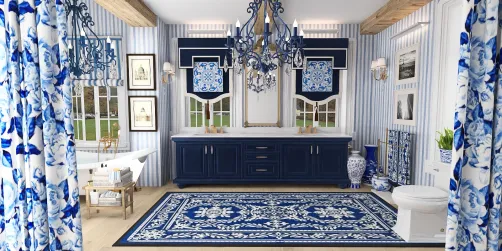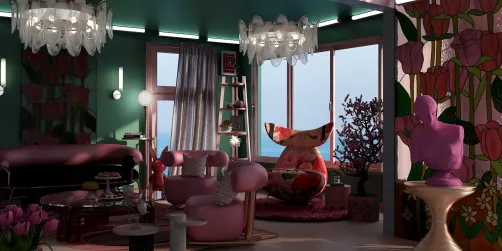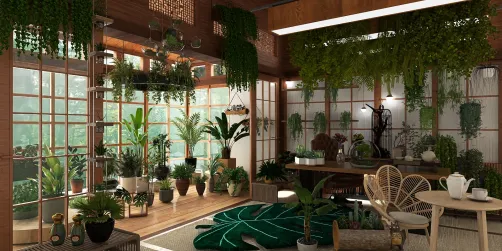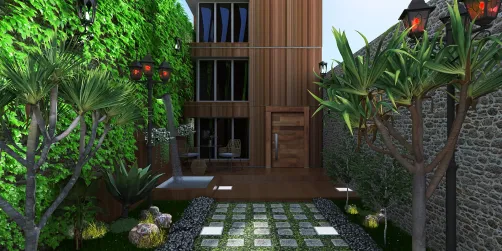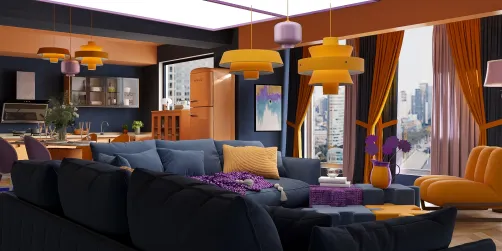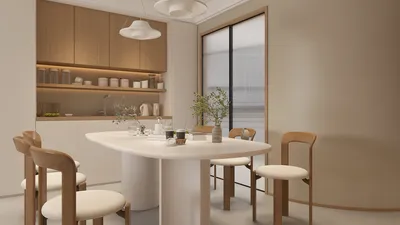
In the last ten years of home design, I've observed a notable resurgence of wooden ceilings, particularly in living room spaces. Recently, trends have leaned heavily towards natural materials, biophilic design, and tactile textures. Interestingly, smaller areas can inspire immense creativity. In various projects, I've utilized wood not merely as a finishing touch but as a method to infuse character, warmth, and architectural sophistication. Today, I’ll discuss 10 creative wood ceiling ideas for living rooms, integrating my own insights alongside established design principles, including how tools like Homestyler can aid in visualization.
1. Warm Oak Plank Ceiling
My Experience: In a narrow living room, I incorporated warm oak planks, transforming it into a more welcoming environment. The delicate grain of the wood beautifully captured the light in the afternoon.
Advantages: Oak is not only durable but also simplistic in its upkeep, making it suitable for frequently used spaces. It harmonizes well with varied furniture colors, which is ideal for minimalist living room designs that need a timeless focal point.
Disadvantages: Authentic oak can be costly, particularly for wider planks. Additionally, the fitting process must be precise to prevent visible gaps.
Tip: If you're on a tighter budget, consider engineered oak veneer for a similar aesthetic without the inflated costs.
2. Exposed Beams for Charm
My Observation: Exposing dark-stained beams in a client's farmhouse instantly imparted a cozy, narrative-rich ambiance in the living room.
Advantages: Beams add architectural interest while also concealing wiring or lighting fixtures. They are a perfect match for rustic, industrial, or eclectic design themes.
Disadvantages: Beams can visually lower ceiling heights, making them more suitable for rooms that have a taller structure.
Example: Combine exposed beams with neutral wall colors to highlight the wood's texture brilliantly.
3. White Painted Wood Boards
My Experience: I applied whitewashed wood ceilings in coastal-inspired apartments, enhancing brightness without sacrificing texture. Clients appreciate the airy, fresh atmosphere it creates.
Advantages: This method maintains the warmth of wood while enhancing light reflection, helping small living rooms feel more expansive. It’s a savvy choice for those wanting a modern-cottage aesthetic.
Disadvantages: This finish may require periodic repainting to maintain its appearance. In damp conditions, paint might peel if not adequately sealed.
4. Coffered Wood Ceilings
My Observation: A coffered ceiling design I implemented in a traditional townhouse gracefully elevated the space without appearing overly formal.
Advantages: This style brings an element of luxury and visual order. As noted by Architectural Digest, coffered ceilings can positively impact perceived property value in historical homes.
Disadvantages: The associated costs for materials and labor are often higher; tightly patterned designs can overwhelm smaller rooms.
Cost Tip: Simulated coffered panels can replicate the appearance at a lower price point.
5. Modern Slatted Panels
My Experience: I installed vertical slatted walnut panels from wall to ceiling in a contemporary loft, achieving a seamless and elegant effect.
Advantages: This approach is ideal for acoustic integration and discreet lighting solutions. It’s particularly suited for open-plan spaces where subtle delineation is desired.
Disadvantages: Dust tends to accumulate in between slats, necessitating regular cleaning.
Style Tip: Combine with matching wall designs to achieve a cohesive aesthetic.
6. Fusion of Wood and Metal
My Take: In one of my projects, I paired reclaimed wood planks with sleek black steel strips — the contrast delighted my client.
Advantages: This combination of materials introduces visual drama and an industrial edge, making it ideal for urban loft settings. It’s perfect for open-concept living rooms that require distinctive style elements.
Disadvantages: It might not be suitable for softer, more organic designs; the aesthetic can be too daring for some preferences.
7. Rustic Reclaimed Wood
My Take: Using century-old barn wood in a cabin project instantly imbued the living room with a sense of history and warmth.
Advantages: Eco-friendly and rich in unique textures; every board tells its own story. It fosters a connection to the past.
Disadvantages: These boards typically require cleaning, sanding, and sealing — preparation can be time-consuming.
Tip: Source reclaimed wood from reputable salvage yards to ensure quality and authenticity.
8. High-Gloss Wood Panels
My Take: High-gloss teak ceilings in a luxury apartment not only reflected light spectacularly but also enhanced the room's elegance.
Advantages: This finish adds an astonishing sheen, making spaces appear brighter and more open. It’s easy to maintain, an excellent choice for urban apartments.
Disadvantages: Scratches become more noticeable; careful maintenance is required.
9. Curved Wood Ceiling
My Take: During the design of a gently curved wood ceiling for a coastal home, the subtle nautical vibe resonated well with the owners.
Advantages: Curved designs catch the eye and soften the strict lines of architecture, ideal for nature-inspired spaces.
Disadvantages: They typically necessitate custom fabrication, which can inflate the cost and extend the timeline.
10. Unique Inlay Patterns
My Take: I once integrated a chevron inlay across a living room ceiling, turning it into an immediate focal point and discussion starter.
Advantages: These visually striking designs are entirely unique and reinvent the traditional parquet look on a ceiling; they align perfectly with contemporary wood ceiling inspirations.
Disadvantages: The intricate installation requires substantial time investment; more suitable for spaces where committed design decisions are possible.
Summary
From my observations, a small living room doesn’t limit creativity — it particularly necessitates thoughtful, intentional design. Wooden ceilings infuse spaces with warmth, texture, and character, whether your style leans rustic, sleek modern, or artistically patterned. As highlighted by Interior Design Magazine, natural materials continue to be one of the most effective approaches to create a grounded, human-centered environment. Which idea for a wooden ceiling in your living room will you explore first? And remember, using design tools like Homestyler can significantly aid in planning your space.
FAQ
Homestyler is your go-to online home design platform! With its user-friendly design tool, stunning 3D renderings, and a wealth of DIY video tutorials, you can easily create and visualize your dream spaces. Start transforming your home today with Homestyler!