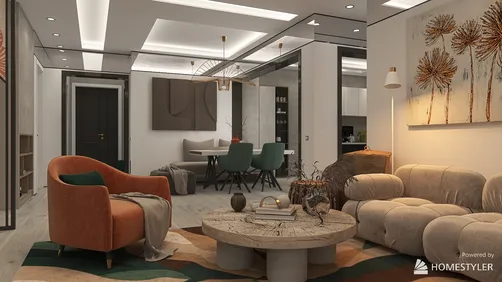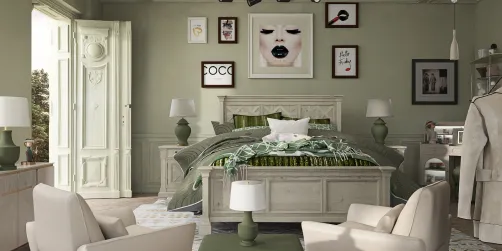
When designing a hall, selecting the right materials can significantly impact the outcome. One exceptional choice is Plaster of Paris, known for its versatility in creating artistic designs and finishes. Its capacity to form intricate textures and shapes can elevate the aesthetics of your hall. In this article, we delve into innovative ways to incorporate Plaster of Paris in hall design, ensuring a harmonious blend of functionality and beauty while utilizing tools like Homestyler.
Creative Applications of Plaster of Paris
Plaster of Paris extends beyond mere wall applications; it can enhance numerous decorative elements in your hall.
Incorporating crown molding or cornices crafted from Plaster of Paris can add a sophisticated flair to any hall. These design features effortlessly complement a range of interior styles, from traditional to modern.
Think about making a statement wall with a mural or textured artwork fashioned from Plaster of Paris. This can act as a captivating focal point in your hall, capturing attention and igniting conversations.
Painting Strategies for Plaster of Paris
Once your Plaster of Paris projects are complete, painting can significantly enhance their appeal.
Choosing the appropriate paint is crucial when working with Plaster of Paris; acrylic paints are highly recommended due to their durability and vivid hues. Always ensure the plaster is thoroughly dry before initiating the painting process.
Employing techniques such as dry brushing or sponging can introduce depth and character. These methods enable you to build layers and textures, giving your hall design a distinctive flair.
Caring for Plaster of Paris Features
Regular upkeep is vital to maintain the beauty of your Plaster of Paris features.
Utilize a soft cloth or feather duster to gently remove dust. For any stains, a slightly damp cloth can be used, but refrain from soaking the plaster, as excessive moisture may cause damage.
Should you encounter chips or cracks, repairs can be made easily with a blend of plaster and water. Simply smooth this mixture over the affected area, allow it to dry, and repaint as needed.
In Conclusion
Incorporating Plaster of Paris into your hall design unlocks an array of opportunities. From decorative elements to impressive painting methods, this adaptable material can assist you in crafting a space that embodies your personal style and fulfills your practical requirements—especially when paired with design tools like Homestyler.
Frequently Asked Questions
Q: Can Plaster of Paris be utilized for outdoor projects? A: It is generally advised against outdoor usage due to its lack of water resistance, which may lead to deterioration in wet environments.
Q: What is the drying time for Plaster of Paris? A: Plaster of Paris typically sets within 15 to 30 minutes, although complete curing may require additional time based on thickness.
Q: Is it essential to paint over Plaster of Paris? A: Although painting isn’t mandatory, it enhances the aesthetic and helps protect the plaster from dust and potential stains.
Welcome to Your No.1 Room Design Software