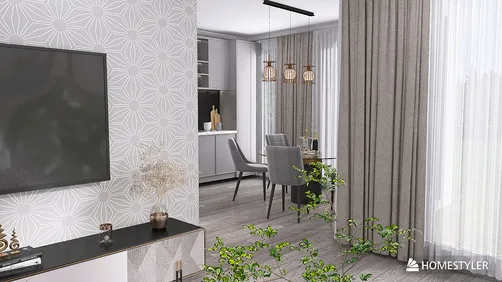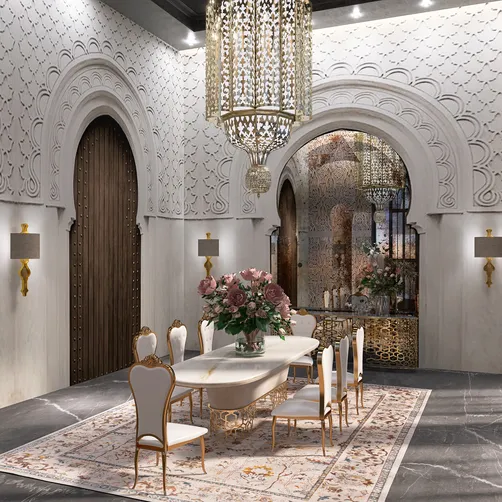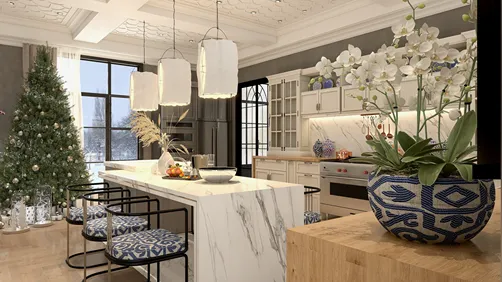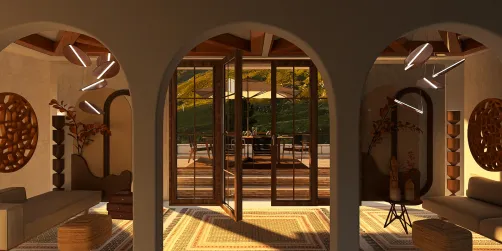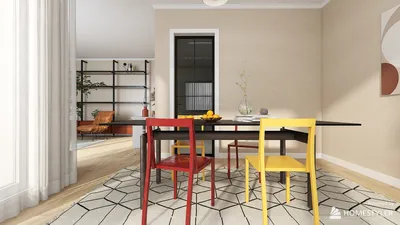
In my decade-long career as an interior designer, I've discovered that constraints frequently lead to the most innovative concepts. Take, for instance, the issue of structural columns within living rooms. While they may initially appear as hindrances, these vertical structures can actually provide chances to infuse character, functionality, and continuity into your space. Especially in smaller areas, clever design solutions can truly enhance the ambiance. This article outlines ten of my top ideas for utilizing living room columns, drawing from both my experiences and contemporary design trends, illustrating how a feature you can't remove can ultimately become a focal point in your home.
1. Minimalist Built-in Shelves Around the Column
My Perspective: In one compact apartment redesign, I transformed a bulky concrete column into a sleek shelving unit that seamlessly integrated with the architecture. The client appreciated its purposeful aesthetic. This approach skillfully unites structure with storage solutions, allowing for maximum functionality.
Advantages: Built-in shelving optimizes vertical space, serving dual purposes as display and storage. A minimalist design fits harmoniously into various décor styles and is well-suited for open-concept environments.
Disadvantages: Custom carpentry can be costly, and variations in column depth or alignment may necessitate adjustments.
2. Mirror-Clad Columns for an Illusion of Space
My Perspective: In a previous project, I covered a load-bearing column with floor-to-ceiling mirrors, effectively doubling the perceived size of a narrow room. Visitors often mistook it for two separate spaces instead of one.
Advantages: Mirrors enhance natural light and create a sense of openness in compact areas, a tip endorsed by many interior design authorities, including Homestyler. They also lend a stylish, modern flair.
Disadvantages: Fingerprints are easily visible on mirrors, and proper installation is crucial.
3. Open Shelving Featuring Plants for an Eco-Friendly Touch
My Perspective: In a loft redesign, we strategically used the column as a structural support for open wooden shelves adorned with trailing plants. This greenery fostered a refreshing, biophilic atmosphere, counterbalancing the industrial characteristics of the space. An industrial-style living room layout complemented the design magnificently.
Advantages: Plants naturally boost indoor air quality while adding color and texture. Open shelving promotes an airy aesthetic.
Disadvantages: Requires consistent plant care; may be unsuitable for homes lacking sufficient natural light.
4. Softening Corners with Curved Cladding
My Perspective: Columns with sharp edges can seem jarring. In a mid-century renovation, I opted for curved wooden paneling to evoke a more soothing and fluid space.
Advantages: Curved forms are currently favored in design, contributing to a warm and inviting environment. Wooden panels lend texture and warmth to the atmosphere.
Disadvantages: Installation demands skill; may slightly reduce usable floor space.
5. Space Partitioning Using Half-Height Walls
My Perspective: I often link columns to low partitions, especially in studio apartments, facilitating subtle zoning without obstructing light.
Advantages: Ideal for defining dining areas or home offices; works effectively in compact open-plan designs.
Disadvantages: Partition walls are semi-permanent, which may not suit those who prefer frequent layout alterations.
6. Integrating a Fireplace Feature
My Perspective: A client envisioned having a fireplace but lacked a suitable wall. We encapsulated a slender electric fireplace around the column at seating level, creating a cozy and unexpected focal point.
Advantages: Visually and literally adds warmth; serves as a natural centerpiece.
Disadvantages: Electric fireplaces necessitate proximity to power sources; they are best suited for larger columns to maintain proportion.
7. Art Display Panels Built into the Design
My Perspective: For a homeowner who was passionate about art, we covered the column with rotating panels capable of showcasing framed prints. This made for a dynamic, ever-changing living gallery. Mid-project, we discussed how implementing art-focused zoning could improve space flow.
Advantages: Perfect for highlighting personal collections; panels cleverly conceal imperfections.
Disadvantages: Requires meticulous measurement; may not be compatible with very thin columns.
8. Textured Finishes for Enhanced Tactility
My Perspective: I have a strong affinity for textured plaster or stone veneer. In one coastal property, I finished a column with white lime plaster, transforming it into a stunning sculptural element.
Advantages: Adds depth and uniqueness; emphasizes the architectural style.
Disadvantages: Textured surfaces can be challenging to clean; certain finishes might chip over time.
9. Incorporating Built-in Seating Around the Column
My Perspective: We once created a circular banquette encircling a central column in a lounge area, fostering intimacy while allowing the column to blend seamlessly into the design.
Advantages: Provides additional seating and a clever social spot; excellent for entertaining guests.
Disadvantages: Involves custom upholstery; less adaptive for frequent furniture rearrangements.
10. Making a Bold Color Statement
My Perspective: In a living room dominated by neutral hues, painting the column a striking color, such as deep teal, transformed it into a sculptural feature. Coupling it with a vibrant color scheme intensified its visual impact.
Advantages: Cost-effective, swift, and easily reversible; the psychology of color can significantly affect the room's atmosphere.
Disadvantages: Overly vibrant colors can be overpowering if not handled correctly; selecting the right shade is crucial.
Conclusion: Living room columns can become assets rather than liabilities; they can form the foundation of innovative design. As highlighted by the American Society of Interior Designers, constraints often foster creative solutions. Which of these column concepts would you consider implementing in your home?
FAQ
Discover the art of home design with Homestyler! This user-friendly online platform offers a powerful design tool, stunning 3D renderings, and a wealth of inspiring design projects. Plus, you'll find helpful DIY video tutorials to guide your creative journey. Transform your space effortlessly!