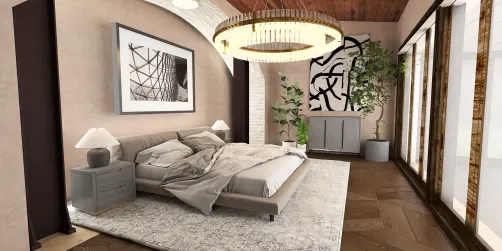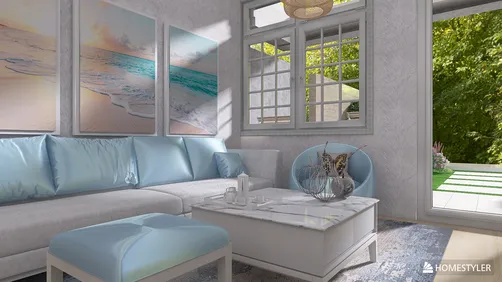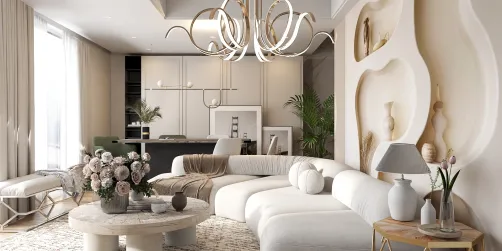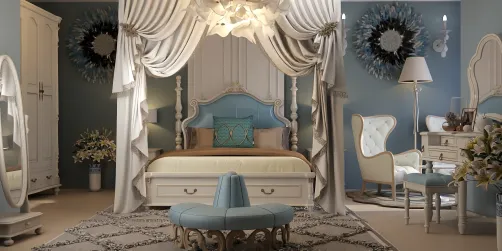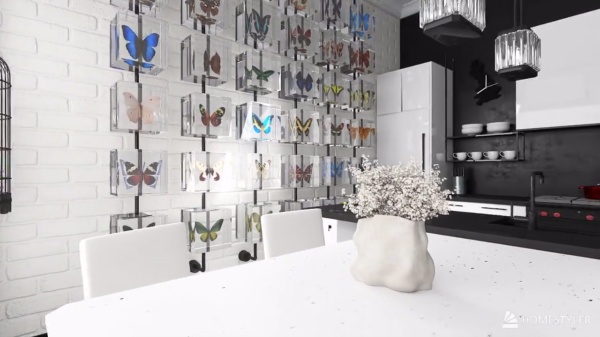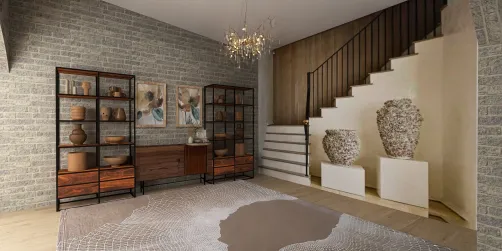
I often chuckle when I remember the moment I hung a single 5x7 frame just 10 cm lower than it should have been above a buffet. A client walked in and remarked that the picture looked like it was sulking. That little mishap was a significant learning experience regarding scale and sightlines, reinforcing the importance of testing placements using templates and accurate measurements. For compact dining spaces, those petite frames can be a secret advantage, and I usually kick off my projects with a few planning sketches or even a quick layout utilizing small-space strategies to prevent awkward installations.
1. Centered Single-Frame Statement
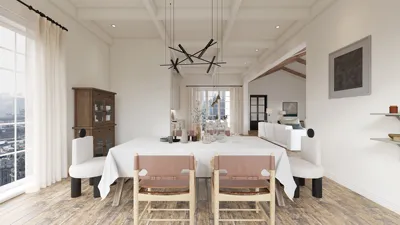
A well-matted 5x7 centered above a dining chair or a buffet exudes tranquility and purpose. This approach not only provides an economical solution but also makes a statement; however, a solitary small frame can appear insignificant unless paired with a striking mat or a robust frame edge. I enjoy combining a crisp white mat with a dark frame and positioning the artwork so that its center aligns with eye level—this method is cost-effective, stylish, and allows for easy changes.
save pin
2. Low Gallery Strip Over a Bench or Sideboard
Aligning two or three 5x7 frames horizontally on a buffet creates a strip of visual interest without overwhelming the wall space. This method maintains a clean and linear aesthetic—budget-friendly and versatile—but it requires proper alignment and consistent spacing. Using a simple ruler alongside painter’s tape is crucial for achieving this look. In one of my apartment designs, this technique visually elongated a narrow room and instantly added character to the dining area.
save pin
3. Mixed-Media Cluster with a Mirror or Decorative Plate
Combine a 5x7 frame with a small round mirror and a decorative plate to craft a harmonious vignette. Mixing different shapes adds depth, preventing the cluster from appearing too uniform; however, this requires a bit more effort to balance the arrangement. I often test the layout by placing the items on the floor, adjusting the spacing until it feels just right, and sometimes creating a quick photo mockup to assess proportions. It's fascinating how a simple image can help visualize scale and lighting in a 3D context prior to making any permanent decisions.
save pin
4. Lean on a Floating Shelf
Position a 5x7 frame on a slim floating shelf, leaning it against the wall, and complement it with a candle or a stack of small books. This method is adaptable and suitable for rentals, allowing experimentation without leaving permanent holes; the only requirement is that the ledge should be deep enough to prevent tipping. I've implemented this strategy in many rental spaces—clients appreciate the flexibility to update their artwork seasonally without needing a hammer.
save pin
5. Rotating Mini-Gallery (Seasonal or Menu Board Style)
Establish a small frame station where the 5x7 can be updated weekly or monthly—ideal for displaying menus, children’s drawings, or seasonal prints. This approach keeps the dining area feeling fresh and personalized, although it does require discipline to change the content regularly. I often encourage my clients to embrace the motto "measure twice, hang once" when determining the initial placement to ensure that future swaps maintain alignment and ease of installation.
save pin
FAQ
Q: Is a 5x7 frame too small for a dining room?
A: Not at all—5x7 frames work perfectly as part of a cluster, on a shelf, or centered when combined with a striking mat or frame. The most important factor is its proportion to the surrounding furniture and negative space.
Q: What height should I hang a 5x7 in the dining room?
A: A general guideline is to hang the center of the artwork around 57 to 60 inches off the floor; many designers and museums cite 57 inches as an ideal visual center for average sightlines. Adjust this height based on your furniture and ceiling dimensions.
Q: How can I prevent a frame from appearing too small above a buffet?
A: Opt for a wider mat, a darker or chunkier frame, or group the 5x7 with a couple of other objects to enhance visual weight. Including a shelf or a lamp nearby can also help ground the composition, enhancing its overall appearance.
Q: What type of lighting is best for small frames?
A: Soft directional lighting—like small picture lights or adjustable sconces—accentuates details without causing glare. It's best to avoid harsh overhead lighting that can cast shadows or create reflections on the glass.
Q: Is it acceptable to mix different frame styles with 5x7s?
A: Yes—blending various metals and woods can introduce warmth and intrigue; however, maintaining a unifying element, such as a consistent mat color or a recurring color scheme in the art, helps uphold cohesion.
Q: Any recommendations for renters?
A: Consider using removable hooks, leaning frames against shelves, or employing picture ledges to prevent damage. Removable hanging strips work wonderfully for lightweight 5x7 frames, allowing you to frequently change layouts with ease.
Q: How far apart should I space multiple 5x7 frames?
A: Keep the spacing minimal—about 1.5 to 3 inches is ideal for tight clusters or strips; larger gaps can be used if a more open look is desired. Always mock it up with paper cutouts prior to making any commitments.
Q: Can I use 5x7 frames as the primary art in my dining room?
A: Absolutely! Just ensure that the entire composition is thoughtfully arranged. Whether forming a grid, a horizontal strip, or an eclectic cluster, consistent matting or framing helps the small pieces to be perceived as part of a unified design strategy—particularly when using platforms like Homestyler to visualize the final arrangement.
save pin
Homestyler is an outstanding online home design platform that empowers you to create stunning interiors effortlessly. With its user-friendly design tool, impressive 3D rendering features, and a wealth of DIY video tutorials, transforming your home ideas into reality has never been easier!