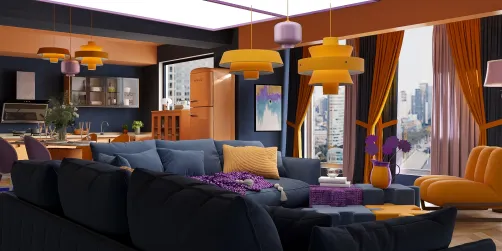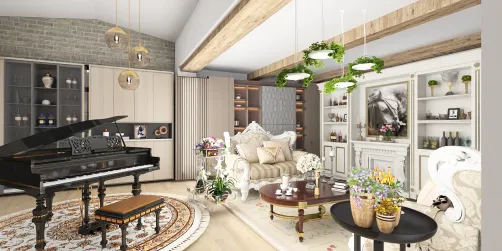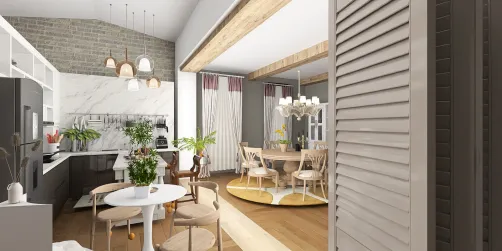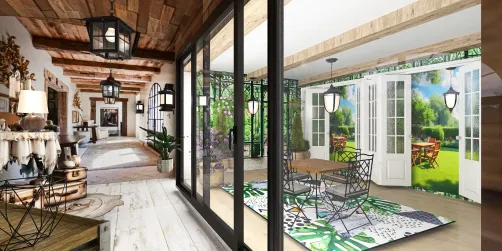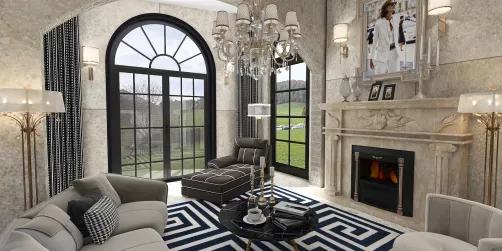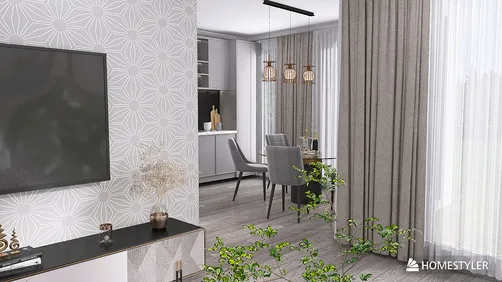
Throughout my career as an interior designer, one recurring trend that consistently grows in popularity is the dark grey leather sofa. This piece is not only timeless and adaptable but also serves as a central element that ties the living room together. Especially in limited spaces, I've found that a dark grey leather sofa can inspire even more innovative layouts. In this article, I will explore 10 creative ideas for integrating a dark grey leather sofa into your living room design, merging my personal experiences with expert insights, including how Homestyler can assist in visualizing your interior concepts.
1. Minimalist Contrast with White Walls
My Experience: I once worked on a loft apartment where my client's primary goal was to maintain a tranquil atmosphere. The dark grey leather sofa set against bright white walls provided an immediate sense of calm and elegance.
Advantages: This combination amplifies light in smaller rooms and allows the sofa’s smooth texture to truly shine. The Colour Psychology Institute states that high-contrast color schemes can make a space feel more vibrant.
Disadvantages: White walls can require frequent upkeep and may come across as too sterile for those who seek a warmer environment.
Suggestion: To soften the stark contrast, incorporate textured throws or cushions on the sofa.
2. Industrial Loft Aesthetic
My Experience: A client living in a renovated warehouse sought an edgy urban feel without sacrificing comfort. Complementing the dark grey leather sofa with exposed brick and reclaimed wood created the perfect balance.
Advantages: Industrial features work beautifully with the leather's matte appearance. This style is particularly effective in open layouts, defining distinct areas within a space.
Disadvantages: The industrial look can sometimes appear too cold, so I often enhance it with rugs and warm lighting to create a cozier atmosphere.
Utilizing industrial-themed designs helps visualize space proportions before making furniture investments.
3. Layered Neutrals
My Experience: In one of my favorite small living room projects, arranging shades of beige, taupe, and natural wood around the dark grey sofa created a snug and inviting vibe.
Advantages: Neutral layers harmonize effortlessly, can be updated easily, and are always in style.
Disadvantages: The room can feel flat without a variety of textures or finishes added.
Suggestion: Incorporate linen cushions or a chunky knit blanket for added tactile appeal.
4. Glamorous Touches with Metallic Accents
My Experience: One of my clients adored a glamorous theme but didn't want the space to feel overly flashy. Elegant gold side tables and brushed brass lamps uplighted her dark grey sofa beautifully.
Advantages: Metallic elements reflect light attractively and add a luxe feel without complicating the overall color scheme.
Disadvantages: An excess of metallic decor can appear gaudy; moderation is essential to maintain balance.
Cost Aspect: Incorporating metallic accessories is cost-effective compared to major renovations.
5. Earthy Minimalism
My Experience: Inspired by Scandinavian design principles, merging the sofa with clay-colored ceramics and houseplants transformed a small apartment into a modern yet organic space.
Advantages: Earthy hues provide warmth that softens the leather’s cool tones while introducing natural elements. Research from the University of Exeter indicates that greenery in interiors enhances mood and concentration.
Disadvantages: Natural items may need more care to stay looking fresh and vibrant.
6. Monochromatic Elegance
My Experience: When I created a monochromatic grey living room with different shades, the space surprisingly felt warm when layered with rugs and throws.
Advantages: A single-color scheme is soothing and enhances room cohesion.
Disadvantages: Without sufficient textures, the design might risk feeling dull or lifeless.
Pre-planning a monochrome design can ensure all elements harmonize instead of clashing.
7. Bold Artwork as a Centerpiece
My Experience: By placing an oversized, vibrant painting above a dark grey sofa, I drew immediate attention and injected personality into my client’s townhouse.
Advantages: Art introduces drama and personal flair without needing to alter furniture options.
Disadvantages: Oversized art pieces can dominate a small space; thus, proportions are crucial.
8. Cozy Corner Arrangement
My Experience: In a snug studio, situating the dark grey sofa in a corner maximized floor space and enhanced the room's openness.
Advantages: Corner configurations optimize the available area, which is perfect for compact apartments.
Disadvantages: This setup might result in fewer seating options for guests.
9. Warm Lighting Layers
My Experience: When a client felt their leather sofa was too ‘cool,’ I implemented layers of warm-toned lighting, significantly softening the overall ambiance.
Advantages: Warm lighting enhances the leather's texture and renders grey tones more inviting.
Disadvantages: Low-quality bulbs can distort colors; investing in quality LED lighting is advisable.
Effective lighting layering isn't just for kitchens; it can work wonders in living spaces as well.
10. Combining Modern and Vintage
My Experience: Mixing a sleek dark grey sofa with a vintage Persian rug introduced depth and a touch of character to the room.
Advantages: This style contrast adds storytelling elements to the overall design.
Disadvantages: Combining different eras can create a cluttered appearance without a cohesive color scheme.
Suggestion: Use the sofa's color as a bridge to connect old and new design pieces.
Conclusion
A dark grey leather sofa provides vast design possibilities—not only does it encourage creative arrangement solutions, but it also helps facilitate a versatile centerpiece in any living room. According to the American Society of Interior Designers, such a centerpiece offers endless styling opportunities. With tools like Homestyler, which allow for dynamic 3D planning, which of these concepts would you choose to implement in your own living room?
FAQ
Q1: Is a dark grey leather sofa suitable for smaller living areas?
Absolutely, it can anchor the space without feeling cramped, particularly when paired with lighter walls or reflective elements.
Q2: How can I make a dark grey sofa feel more inviting?
Enhance it with soft textiles, warm lighting, and natural accents such as greenery or wood.
Q3: What wall colors complement a dark grey leather sofa?
Colors like white, warm beige, clay shades, and even rich jewel tones work effectively depending on your style preference.
Q4: Does leather furniture need special care?
Indeed, regular dusting and occasional conditioning are essential. The Leather Working Group offers comprehensive maintenance guidelines.
Q5: Can a dark grey sofa be paired with colorful decor?
Definitely. Its neutral base allows vibrant accents to stand out without clashing.
Q6: What design styles are most compatible with a dark grey sofa?
It fits seamlessly into modern, industrial, Scandinavian, and eclectic styles, showcasing its versatility.
Q7: Should I prioritize a leather or fabric sofa?
While leather offers durability and easy cleaning, fabric provides more texture and warmth.
Q8: Is it feasible to rearrange furniture with a heavy leather sofa?
Planning your layout digitally with tools like Homestyler can help circumvent the hassle of heavy lifting during setup.
Discover the ease of home design with Homestyler! This user-friendly platform offers an intuitive online design tool, stunning 3D renderings, and a wealth of DIY video tutorials. Whether you're a beginner or an expert, you can effortlessly bring your interior design visions to life.