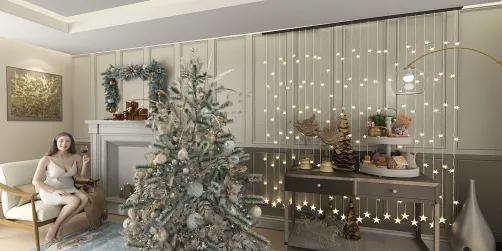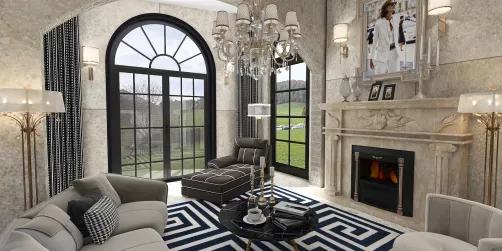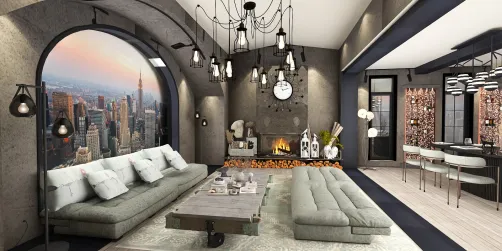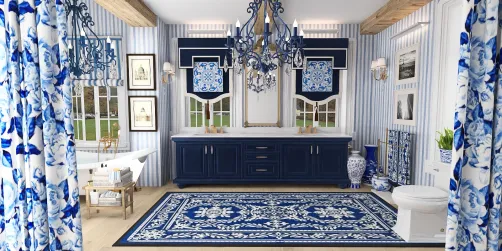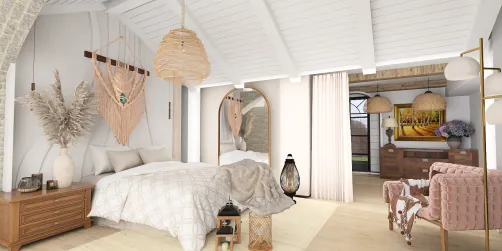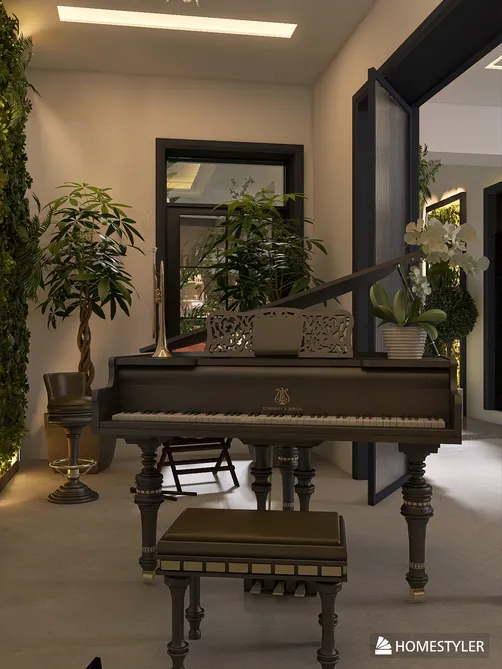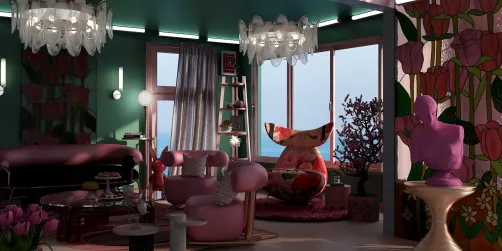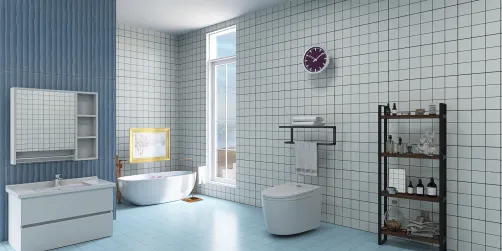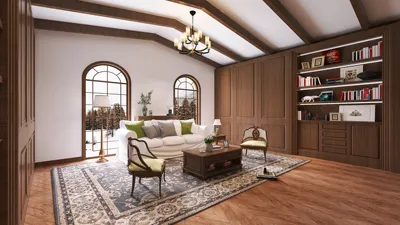
Recently, I've observed a growing fascination with Victorian-style interiors, characterized by rich textures, intricate details, and complex patterns. Drawing from my experience in redesigning numerous period homes, I've found that smaller living spaces often ignite the most creativity. This article presents 10 ideas for Victorian living rooms inspired by my projects and bolstered by professional insights, including how you might use tools like Homestyler for your design journey.
Luxurious Velvet Upholstery
In one of my projects in the Bay Area, I transformed a quaint cottage by incorporating sapphire blue velvet sofas, which added a touch of warmth and a regal atmosphere to the living room, perfectly exemplifying Victorian elegance.
Advantages: Velvet introduces warmth and depth, and when complemented with tufted backs, it enhances the authentic period style. It harmonizes beautifully with warm wooden tones.
Drawbacks: Velvet demands considerable upkeep, particularly in homes with pets, as fur tends to cling to it persistently.
Suggestion: If you desire this luxurious appearance without the maintenance worry, consider opting for performance velvet materials.
Detailed Ceiling Medallions
While renovating a small living area in London, installing a plaster ceiling medallion felt like a nod to the room's historical roots.
Benefits: Authentic architectural ceiling medallions draw the eye upward, creating a sense of grandeur even in compact spaces. As stated by the Victorian Society, such features were prevalent in the homes of the middle class from 1850 to 1900.
Disadvantages: If the molding and furnishings are overly ornate, it may feel like too much.
Tip: Painting the medallion the same hue as the ceiling can achieve an elegant yet understated effect.
Showstopping Mahogany Mantels
In a 1890s townhouse restoration, I made the decision to preserve the original mahogany mantel, which became a centerpiece, grounding the entire living space.
Pros: Solid wood mantels add a tactile and stable quality to the room, perfect for displaying antiques.
Cons: The weight of the wood can be overwhelming; balancing it with lighter textiles or vivid artwork is essential.
Remember, combining wooden finishes with period-appropriate accessories can beautifully unify the living area.
Floral Damask Wallpapers
I previously decorated a space by layering cranberry damask wallpaper with ivory wainscoting, creating an instant cozy ambiance.
Advantages: This combination fosters intimacy and adds depth of pattern, ideal for smaller Victorian-room settings. Numerous heritage paint and paper brands now offer authentic 19th-century designs.
Drawbacks: Intricate patterns may make very small rooms feel tight; consider incorporating plain trim to break up the pattern.
Stained Glass Window Features
Integrating stained glass panels into transoms in a client’s living room beautifully filtered light into vibrant jewel tones, making it a delightful addition.
Pros: This feature captures the characteristic light play of Victorian homes while adding color without necessitating wall paint.
Cons: Custom stained glass can be pricey; however, DIY film options are available for a more affordable alternative.
Layering Antique Persian Rugs
I layered a smaller antique Persian rug over a neutral jute base in a narrow room, giving it a curated feel rather than a cluttered one.
Pros: This technique introduces warmth, artisanal craftsmanship, and grounding patterns — it’s recommended to rotate handwoven rugs for balanced wear.
Cons: Regular vacuuming is necessary; intricate patterns may compete with ornate wallpaper.
Incorporating layered patterns within Victorian-inspired settings helps to create visual equilibrium.
Decorative Picture Rails
Installing classic picture rails enabled us to change artworks seasonally without harming the plaster walls.
Advantages: This feature is an authentic aspect of Victorian design, adding horizontal lines that can enhance height perception in rooms.
Cons: In some renovations, they may not align well with contemporary door or window heights.
Balancing Antique and Modern Lighting
In one renovation, we combined a brass Victorian chandelier with discreet LED spotlights, perfect for reading while preserving the room’s historic charm.
Benefits: This approach provides versatility in mood lighting while showcasing decorative fixtures without sacrificing functionality.
Disadvantages: This combination necessitates careful electrical planning to maintain the room's period aesthetic.
Bay Window Reading Nooks
By adding a cushioned bench to a bay window, I transformed an underused area into my client’s favored reading nook.
Pros: This feature maximizes natural light and imparts an enchanting old-world feel synonymous with Victorian architecture.
Cons: Custom cushions and structure can be costly.
Windows with cozy seating enhance both comfort and craftsmanship, creating timeless results.
Ornate Mirror Centerpieces
An oversized gilded mirror above the mantel doubled the amount of natural light in a dim parlor while adding instant drama.
Advantages: Mirrors are great for amplifying daylight, visually expanding the space and reflecting decorative ceilings.
Drawbacks: Large antique mirrors can be weighty; secure fixings are essential for safe installation.
Final Thoughts
Small Victorian living rooms offer a unique opportunity for inventive design rather than constraints. The National Trust highlights that true authenticity is found in blending historic details with modern necessities. Which of these 10 strategies would you be excited to implement first with the help of Homestyler?
Frequently Asked Questions
Q1: What characterizes a Victorian living room?
A typical Victorian living room showcases ornate details, deep colors, and layered textures, often incorporating period elements like moldings and fireplaces.
Q2: Is it possible to incorporate Victorian style into smaller spaces?
Absolutely — by leveraging light, layered textures, and managing proportions, even compact rooms can achieve a grand feel without being overwhelming.
Q3: How can I bring a modern touch to a Victorian living room?
Merge antique architectural features with contemporary lighting, minimalist window treatments, and functional furniture.
Q4: Are ceiling medallions still popular?
Indeed — The Victorian Society asserts that medallions retain their timeless appeal when proportionately sized to the room.
Q5: What color palette works best for a Victorian-style room?
Consider deep jewel tones such as emerald, ruby, and navy, harmonizing nicely with warm creams and golds. Many paint brands have begun offering heritage collections.
Q6: What flooring complements a Victorian living room?
Dark-finished hardwood flooring layered with Persian or Oriental rugs is both historically accurate and practical.
Q7: What are some budget-friendly Victorian living room ideas?
Certainly! Consider accent wallpaper, thrifted mirrors, and DIY picture rails for an affordable touch of authenticity.
Q8: Where can I find real Victorian-inspired layout examples?
You can delve into design resources to explore curated examples, including our gallery dedicated to Victorian-styled interiors.
Discover your creative potential with Homestyler! This online home design platform offers an intuitive design tool, stunning 3D renderings, and a wealth of design projects. Plus, with DIY video tutorials, transforming your space has never been easier. Start designing your dream home today!