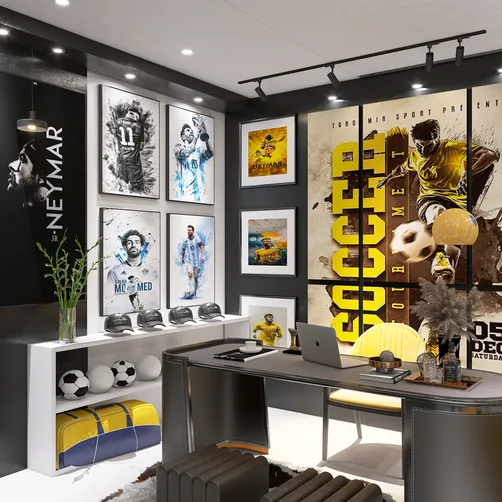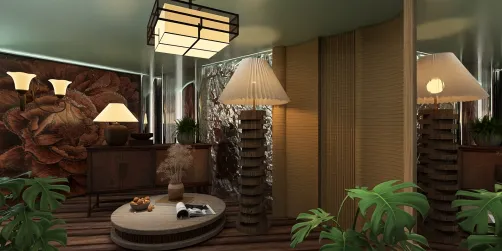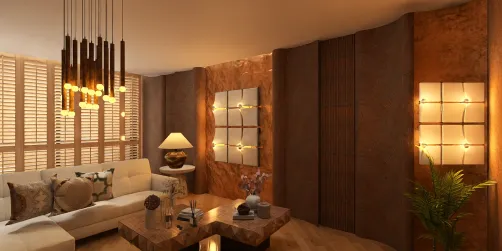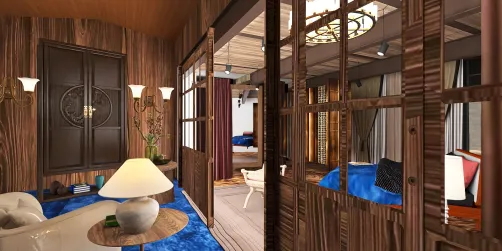
I recall a client who confidently said, "We’ll just add a desk in the basement—it’ll work out fine." However, two months later, she reached out to me, frustrated, shivering, and surrounded by tangled extension cords. This experience taught me a crucial lesson: with thoughtful planning, an unfinished basement can be transformed into an inviting and effective workspace. Ingenious designs often emerge in small or challenging areas like basements. Today, I’ll share 10 creative unfinished basement office ideas that I have gathered over my ten-plus years in maximizing such unique spaces using tools like Homestyler for design assistance.
1. Champion Industrial Aesthetics
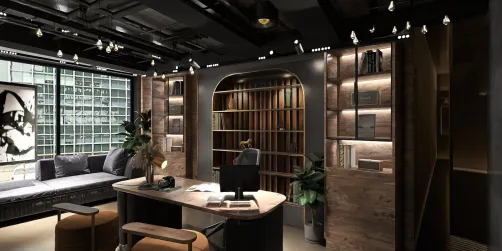
Rather than concealing exposed beams and pipes, showcase them in your design. Applying a matte black finish on pipes, adding Edison bulb pendant lights, and incorporating reclaimed wood shelving can elevate the space from accidental to deliberately designed. I once utilized a room planner to effectively organize traffic flow around support pillars, which spared the client from expensive errors.
2. A Symphony of Lighting
Since basements typically lack natural illumination, it’s essential to blend ambient, task, and accent lighting harmoniously. Consider installing warm LED strips under shelves, complementing them with a desk lamp, and an overhead fixture that adds character while being mindful of screen glare.
3. Thoughtful Flooring Choices
Concrete surfaces can feel cold and harsh. Opting for luxury vinyl planks or cork can warm your workspace both visually and physically. Adding area rugs not only helps to demarcate different zones but also enhances acoustic comfort.
4. Intentional Color Selection
Using soft neutrals such as warm greys or creams can bounce any available light, creating an illusion of openness in the basement. While darker accent walls are viable, they should be balanced by reflective surfaces or lighter furniture to maintain brightness.
5. Solutions for Soundproofing
If you plan to make calls or record in this setting, investing in acoustic panels or heavy curtains is worthwhile. Simply arranging filled bookcases can also help reduce noise from above. I once utilized an online floor plan creator to visualize the optimal placement for soundproof panels without making the space feel cramped.
6. Multi-functional Furniture
Choose versatile pieces that serve multiple purposes, like a sit-stand desk or a foldable meeting table. This flexibility allows your basement office to cater to both professional and personal interests.
7. Customized Storage Solutions
Built-in cabinetry along awkward walls can help to conceal clutter and fully utilize challenging corners. Just ensure there's adequate airflow for HVAC elements within your design.
8. Designated Areas
Create distinct zones within your basement by using rugs, shelving, or partial dividers to separate the office from storage or exercise spaces. Establishing these boundaries enhances work-life balance.
9. Climate Adaptations
Basements can be chilly during winter and uncomfortable in summer. A portable heater, dehumidifier, or fan can significantly improve the environment. I once adopted a kitchen layout planning strategy to incorporate these devices seamlessly into the workspace without creating clutter.
10. Personalize the Space
Incorporate art, plants, and family photos to transform your basement into an enjoyable work environment. The right small touches can change a purely functional basement into a cherished retreat for productivity.
FAQ
1. How can I enhance brightness in an unfinished basement office? Use a combination of layered lighting, mirrors, and light-colored paint to reflect and amplify available light.
2. What flooring is best for a basement office? Luxury vinyl planks and cork are warm, durable, and comfortable underfoot, making them ideal choices.
3. Is special ventilation necessary? Absolutely! Proper airflow prevents dampness and promotes better air quality. Consider adding vents or a portable air purifier as needed.
4. How can I conceal exposed wiring? Utilize cable covers, track the wires along beams, or disguise them within DIY boxing that complements your walls.
5. Can I use drywall in an unfinished basement? Yes, but it’s important to select moisture- and mold-resistant options and to seal edges properly.
6. Is soundproofing a worthy investment? Certainly, particularly if your work involves calls or media creation. Effective sound design greatly influences productivity, as noted by the American Society of Interior Designers.
7. What budget should I anticipate? Even a basic makeover can range from $2,000 to $5,000 for improvements like lighting, flooring, and furnishings—more if incorporating custom built-ins.
8. Is it permissible to mix styles in a basement office? Yes, as long as the color palette remains cohesive to prevent clashing between industrial elements and modern decor.
Homestyler is your go-to platform for transforming home design dreams into reality. With its easy-to-use online design tool, stunning 3D renderings, and a wealth of DIY video tutorials, you can effortlessly explore and create beautiful spaces, no matter your experience level!