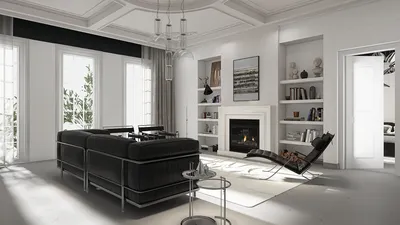


A few years back, I had a client who was determined to fit a baby grand piano into her compact apartment living room, which also served as a dining area. Initially, I thought it was an impossible task—but it turned out to be one of my most enjoyable design challenges. This experience reinforced a belief I often share with friends: working within small spaces stimulates creativity, leading to truly magical design solutions. Today, I'm excited to share 10 decorating tips for combining living and dining spaces that you can feasibly implement, drawn from my extensive experience, which has included a fair share of style missteps. If you're wondering how I visualize layouts before making any changes, I frequently use a scaled digital design tool like Homestyler to experiment with the flow prior to rearranging furniture.
1. Define Areas with Rugs
One effective method to make a combined space feel more intentional is by using individual rugs to anchor each zone. This technique creates visual distinctions without the need for actual walls, and it's quite cost-effective. Just ensure that the rug patterns you select don’t clash, as this can create a disordered appearance.
2. Back-to-Back Furniture Layouts
I enjoy placing the back of a sofa facing the dining area. This arrangement subtly differentiates the spaces while maintaining an open feel. In smaller rooms, opt for a slimmer sofa profile to prevent overcrowding.
3. Versatile Furniture
Dining tables that extend or console tables that can also serve as buffets are invaluable. These versatile pieces provide flexibility for entertaining guests without permanently occupying precious area.
4. Harmonized Color Scheme
Employing a consistent color scheme across both areas unifies the space; however, you can incorporate various accent colors or textures to give each section its unique character. Following this principle enhances the overall aesthetic, making the setup feel more curated and stylish.
5. Layered Lighting Solutions
Avoid relying on a singular overhead fixture for both zones. Implementing a chandelier above the dining table and floor lamps in the living area can distinctly define each section while adding coziness. When planning lighting positions, I often create a quick lighting layout mock-up to determine the best spots for wiring installations.
6. Vertical Storage Options
Incorporating wall-mounted shelves or tall cabinets optimizes storage while keeping floors uncluttered. In my own studio apartment years ago, introducing vertical storage transformed my ability to keep the dining table clean and organized.
7. Eye-Catching Art as a Divider
A sizable piece of artwork or a gallery wall can serve as a visual divider between the living and dining areas, drawing attention without overwhelming the space. Just be cautious about ensuring the frames don’t compete with the dining chandelier, as that could lead to an overly busy look.
8. Open or Sliding Shelving
Instead of bulky room dividers, I often opt for open shelving to create separation while allowing light to flow through. Additionally, it provides extra storage space. For one recent client, we even integrated planters with the shelving to achieve a vibrant and airy atmosphere.
9. Diverse Seating Arrangements
Consider mixing a formal dining set with casual lounge chairs nearby. This approach keeps the ambiance relaxed, particularly in open-plan apartments. In one project, I successfully combined vintage dining chairs with a sleek modern sofa, yielding a surprisingly cohesive look.
10. Consider Traffic Flow
Always ensure there are clear pathways between the different areas. It's quite frustrating to bump into furniture when trying to navigate from the dining area to the sofa. I frequently visualize this with a 3D room mock-up in tools like Homestyler before clients invest in large pieces.
FAQ
Q: How can I make a small living-dining combination feel larger?
A: Opt for light, cohesive colors, and utilize mirrors and furniture with visible legs to create an illusion of space.
Q: Is it acceptable to have different flooring in each area?
A: While you can, in compact spaces, I recommend sticking to one flooring type and using rugs for zoning instead.
Q: What are your thoughts on using open shelving as a divider?
A: It's one of my favorite strategies as it encourages light flow while adding additional storage.
Homestyler is your go-to online home design platform, perfect for transforming your ideas into reality. With its user-friendly design tool, stunning 3D renderings, and a wealth of inspiring design projects and video tutorials, creating your dream space has never been easier. Start designing today!
Design jetzt kostenlos
































