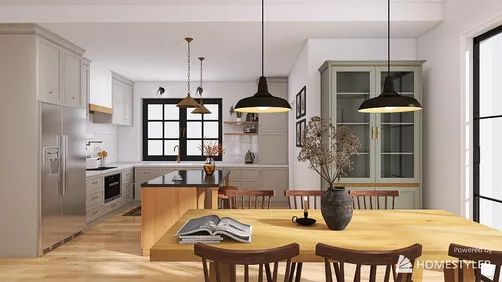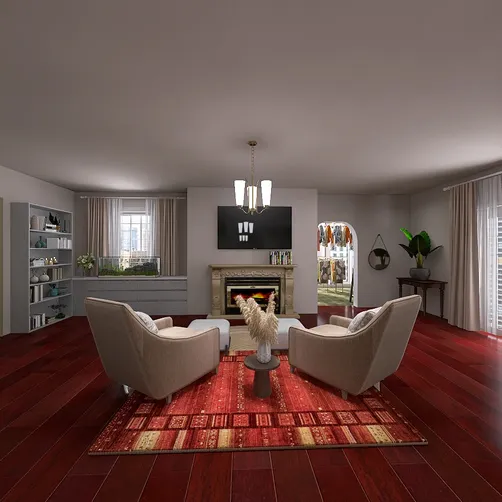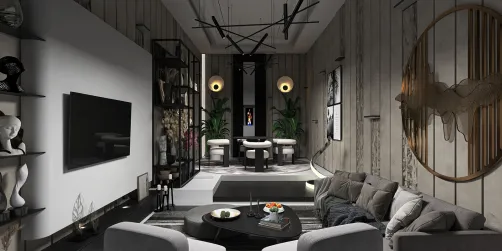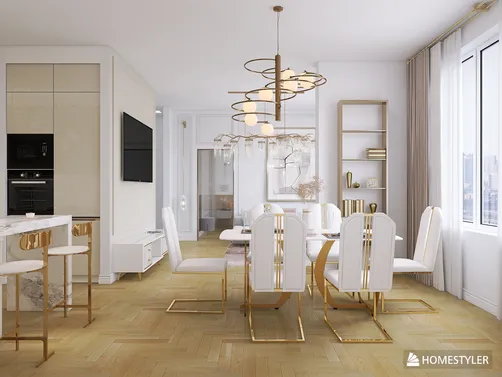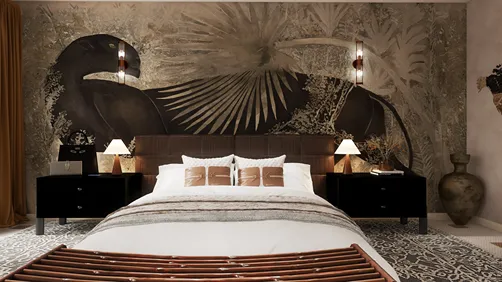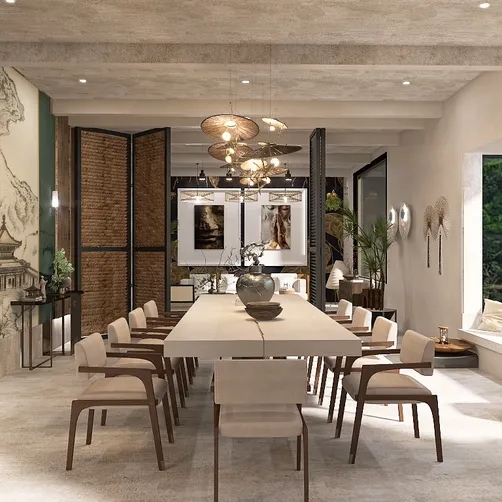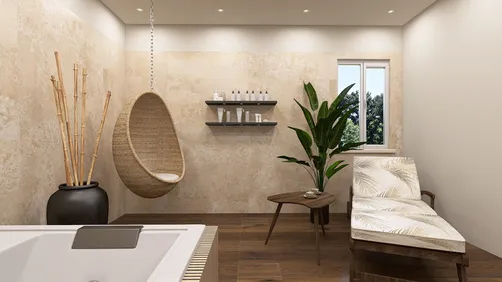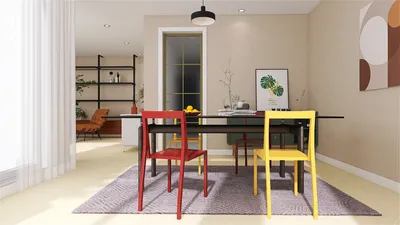
I vividly recall a client who wanted the dining table to appear as though it was 'floating'. To achieve this effect, I experimented with hairpin legs on a substantial 4 x 8 tabletop, which taught me a valuable lesson about torque and stability. This little mishap ingrained in me the importance of creating prototypes to understand proportions before finalizing designs. Nowadays, I frequently encourage clients to visualize the scale in 3D using tools like Homestyler, ensuring the legs appear harmonious within the space.
Small areas can inspire innovative solutions, and a 4 x 8 dining setup serves as an excellent canvas for inventive leg designs. In this article, I will share five practical ideas I've successfully implemented in real projects, including honest insights regarding their advantages, manageable obstacles, budget considerations, and tips from actual installations.
1. Central pedestal with an offset base
I am a fan of using a central, sculptural pedestal for a 4 x 8 dining table as it maximizes legroom for guests while offering a sleek visual profile. This design works wonderfully with long benches or various seating arrangements but be cautious—ensure the pedestal base is sufficiently wide and heavy to maintain stability, particularly when children lean on one side.
2. Slender metal T-legs for a modern and airy vibe
T-shaped steel legs positioned near the ends provide a contemporary flair without disrupting the visual continuity of the tabletop. They are budget-friendly and straightforward to install. However, you will need reinforcing brackets under a large 4 x 8 table to minimize flex. I tackled this by adding a discreet steel frame beneath the surface.
3. Recessed legs for a minimalist aesthetic
Recessed or inset legs, positioned a few inches inward from the edge, give the impression of floating and maintain a tidy appearance, preventing chairs from snagging on external supports. However, inset legs can limit usable knee space near the corners. I often ask clients to build a quick prototype to test seating arrangements before settling on the recess depth.
4. Sturdy wooden trestles for a rustic charm
To create a warm and stable ambiance, I use paired trestles spaced along the middle of the table. They offer exceptional sturdiness and disguise joinery effectively. Given their substantial visual weight, if the room is small, consider lightening the overall look with a bright finish or incorporating a metal stretcher between the trestles to break up the density.
5. Mixed-material legs—wood on top, metal underneath
Blending materials is my go-to choice for clients desiring warmth alongside durability. A wooden upper leg that transitions to a steel base provides an elegant yet resilient option. For those looking to explore variations quickly, I often recommend teams utilize real projects' layouts in Homestyler and take note of which leg styles withstand daily usage best.
FAQ
Q1: What leg style offers the best stability for a 4 x 8 table?
A: The most stable options include wide trestles or a central pedestal with a broad base, as they effectively distribute weight and resist tipping when the table is lengthy.
Q2: How much clearance do I need for chairs around a 4 x 8 dining table?
A: It’s advisable to leave at least 36 inches (about 91 cm) from the table's edge to walls or other obstacles, allowing guests to move freely; more space is preferable for homes with higher traffic.
Q3: Can hairpin legs be used effectively with a 4 x 8 slab?
A: Yes, but it's essential to include a hidden perimeter frame to prevent twisting and support the center area. Without reinforcement, pure hairpin designs can lead to excessive flex on larger surfaces.
Q4: Which materials are most resilient against dining-room wear?
A: Powder-coated steel, stainless steel bases, and hardwood surfaces are highly durable. Implement protective finishes on wooden surfaces and consider replaceable metal shoes on leg bases for enhanced longevity.
Q5: Any tips for budget-friendly table leg selection?
A: Opt for modular legs that can be bolted on for future upgrades; while custom welded bases provide a high-end look, they can be expensive—prefabricated options offer significant savings in both time and cost.
Q6: How can I assess guest comfort before finalizing my build?
A: Create a mockup of the table layout using cardboard or a temporary surface and arrange the chairs accordingly. Sit down, slide in, and check the elbow room—this simple technique, often aided by tools like Homestyler, is my reliable sanity check in every project.
Q7: Are there best practices for ensuring table stability that I should keep in mind?
A: Absolutely! Adhere to spacing and clearance guidelines, and ensure the base is stable enough to resist tipping. The National Kitchen & Bath Association (NKBA) provides valuable clearance standards for dining and kitchen workspaces (source: NKBA guidelines).
Q8: What finishes conceal scuffs and remain aesthetically pleasing in the long run?
A: Semi-matte powder-coated metals and oil-finished hardwoods are better at hiding wear compared to high-gloss finishes; they are also more straightforward to touch up without noticeable patches.
Homestyler is your go-to online home design platform, perfect for both beginners and pros. With its easy-to-use design tool, stunning 3D renderings, and a wealth of DIY video tutorials, you can effortlessly create and visualize your dream spaces. Transform your home today!